

Background
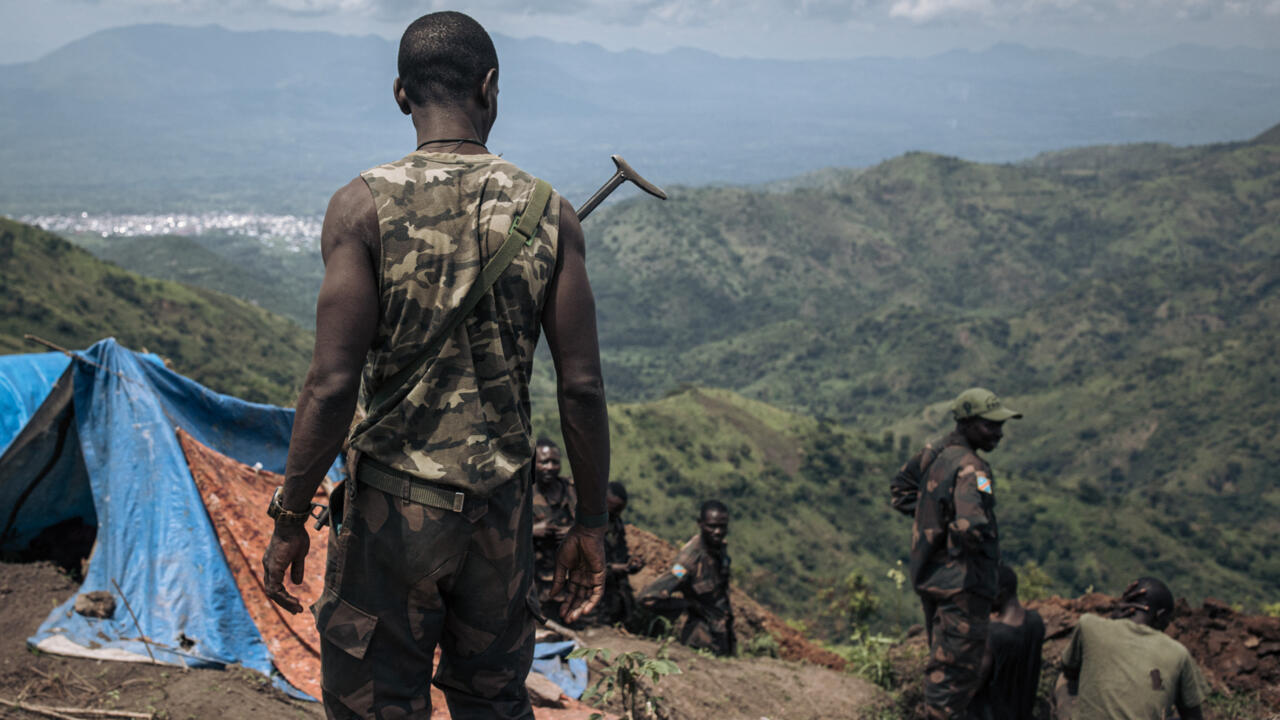
Recent developments in the highlands of Mulenge, South Kivu Province (eastern Democratic Republic of the Congo), reveal a growing presence of Burundian soldiers operating in collaboration with elements of the Congolese national army (FARDC) and associated militia groups known as Wazalendo.
Local reports indicate that Burundian forces have established military bases across several parts of Cyohagati, an area strategically located near zones controlled by the Twirwaneho and M23 movements.
Areas of Deployment
According to verified local sources, Burundian troops have set up fortified positions in at least five key locations within Cyohagati: Gatenga/Ruheshi, Igitaka, Nyamara, Birarombili, and Point Zero.
These deployments began intensifying after mid-2022 under the framework of a bilateral military cooperation agreement between Bujumbura and Kinshasa.
Besides Cyohagati, Burundian forces have extended their presence to Bibogobogo, Ndondo of Bijombo, and other parts of South and North Kivu.
These areas have long been home to Banyamulenge communities, who have repeatedly suffered displacement, harassment, and targeted attacks amid the region’s militarization.
Twirwaneho and M23 Responses
The Twirwaneho movement, a local self-defense organization formed to protect Banyamulenge civilians from repeated aggressions by foreign and government-backed militias, successfully pushed Burundian troops out of Minembwe in February 2025.
At the time, Burundian forces had established over seven military posts in Minembwe, with three additional outposts in Mikenke.
After suffering heavy losses, they retreated toward Cyohagati and Ndondo of Bijombo, regrouping with Wazalendo and FDLR-linked elements.
Following these confrontations, Twirwaneho forces reclaimed significant territories in Mibunda, areas that had previously fallen under FDLR and Wazalendo occupation.
The M23 movement, operating in northern parts of Kivu, has also faced similar coalitions of Burundian, FARDC, and Wazalendo forces. Despite this, M23 has maintained strong defensive positions, citing its operations as part of a broader effort to resist external military intervention and protect civilian populations from ethnic-targeted violence.
Humanitarian and Security Implications
The establishment of Burundian military positions in Cyohagati has raised serious concerns among local residents and observers.
Many fear that these bases are intended not for peacekeeping or security cooperation, but for offensive operations targeting Banyamulenge civilians in Minembwe and Mikenke.
Independent monitors note that, despite Burundian troops’ reinforcement and coordination with FARDC and local militias, they have failed to gain control of any significant area from Twirwaneho.
On the contrary, Twirwaneho forces have continued to repel incursions and maintain their defensive lines in territories traditionally inhabited by Banyamulenge.
Current Situation and Outlook
As of October 2025, the situation in Cyohagati and surrounding areas remains volatile.
Burundian troops continue to reinforce their positions, while Twirwaneho and M23 maintain vigilance and coordination to prevent further attacks and ensure the protection of local populations.
Civil society organizations warn that unless the international community intervenes to restrain external military involvement and address the ethnically motivated violence, the humanitarian situation could deteriorate further.
Conclusion
Evidence suggests that the Burundian military presence in the Mulenge highlands is primarily aimed at undermining local defense groups such as Twirwaneho and M23, both of which continue to act as protective forces for vulnerable Banyamulenge communities.
While Burundian and FARDC units claim to be conducting joint security operations, their actions on the ground indicate a pattern of targeted hostility against specific ethnic groups rather than genuine peacekeeping.
The continued resilience of Twirwaneho and M23 underscores their critical role in defending civilians, stabilizing liberated areas, and challenging foreign interference in eastern Congo.