

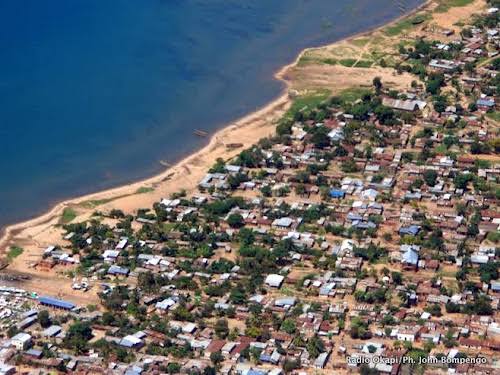
Uvira on the Brink: NSCC Raises Alarm Over Surge in Killings as Residents Demand Urgent Action
MINEMBWE CAPITAL NEWS (MCN)
The New Congolese Civil Society (NSCC) in South Kivu Province has expressed deep concern over the growing wave of killings, assaults, and other violent crimes that have continued to threaten civilians in the city of Uvira.
In a statement released on Wednesday, the organization described the deteriorating security situation as a major challenge, criticizing what it called the “silence and lack of concrete action” by civilian authorities, the military, and the police, while residents continue to fall victim to violent attacks.
According to NSCC, several serious security incidents were recorded across different parts of Uvira between July 11 and July 15, 2026, including fatal shootings, injuries, and the discovery of unidentified bodies.
The organization reported that on July 11, 2026, at approximately 8:00 p.m., three individuals—identified as Mushagalusha, Jean, and Rama—were shot while walking along a road between the Rombe I and Rombe II neighborhoods.
NSCC alleges that the shooting was carried out by a member of the Armed Forces of the Democratic Republic of the Congo (FARDC). The victims were immediately transported to Uvira General Hospital for medical treatment.
Between July 12 and 13, 2026, residents discovered the decapitated body of an unidentified person near the shores of Lake Tanganyika, along Lenge III Road in the Kakombe area.
The victim’s identity and those responsible for the killing remain unknown. Residents have called for a thorough investigation to establish the facts surrounding the murder.
NSCC further reported that during the night of July 14–15, 2026, a welder identified as Fiston was shot and killed by unidentified assailants.
According to the organization, the victim was attacked at his home on Alpha Road in the Songo neighborhood.
Later that same night, another resident identified as Innocent was shot in the Kalundu area at approximately 4:00 a.m. He was rushed to a medical facility, where he continues to receive treatment.
The NSCC statement also indicated that a human body part was discovered on 5 Construction Road in the Kakombe area, while the victim’s head was reportedly found near the Mulongwe River in Rombe II.
In the Kasenga area, commonly known as Kiyaya, another individual was reportedly stabbed and severely assaulted with machetes by unidentified attackers at around midnight.
The victim was immediately taken to hospital, where he remains in critical condition.
As violence continues to spread fear among residents, the New Congolese Civil Society (NSCC) strongly condemned the attacks and called on the relevant authorities to take urgent and effective measures to restore security and protect civilian lives.
The organization also urged residents to play an active role in identifying solutions to the city’s security challenges. It announced a public community meeting scheduled for July 21, 2026, at 1:00 p.m., to be held at Kavimvira EP Primary School in Kavimvira Commune.
According to NSCC, the meeting aims to bring together members of the community to discuss advocacy initiatives and citizen-led actions aimed at addressing the worsening insecurity in Uvira.
Killings, kidnappings, and other forms of violent crime continue to rank among the most serious challenges facing residents across several neighborhoods of Uvira, in the eastern Democratic Republic of the Congo.
As citizens continue to demand greater protection and access to justice, many are looking to state institutions and security agencies to demonstrate their ability to prevent crime, restore public confidence, and ensure the safety of civilians.
Meanwhile, some residents have expressed growing frustration and a loss of confidence in the current authorities. They have stated that they would welcome the arrival of other armed groups, including MRDP-Twirwaneho and M23, believing such a development could bring improvements to the security situation and help protect civilians.
However, these views reflect the opinions expressed by some residents and should not be interpreted as representing the broader population. The security crisis in Uvira remains a complex challenge that requires sustainable, lawful, and inclusive solutions focused on protecting civilian lives and restoring lasting peace.
MINEMBWE CAPITAL NEWS (MCN)