
ADF Strikes Again: Civilians Brutally Killed in FARDC-Controlled Area as Relative Calm Prevails in Areas Controlled by MRDP-Twirwaneho and AFC/M23
MINEMBWE CAPITAL NEWS (MCN)
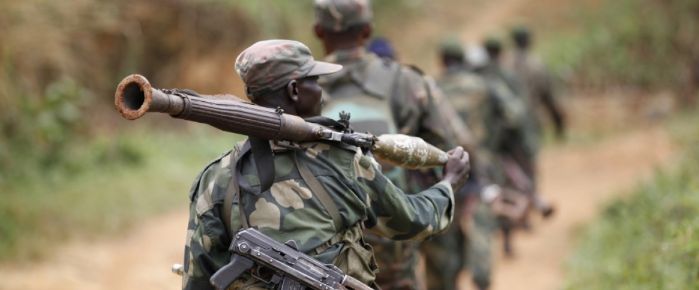
On Wednesday morning, July 22, 2026, the Allied Democratic Forces (ADF) armed group carried out another deadly attack that claimed the lives of more than ten civilians along the border between Beni Territory in North Kivu Province and Mambasa Territory in Ituri Province. The massacre has once again sparked fear among local communities, forcing residents to flee and further worsening the already fragile security situation in eastern Democratic Republic of Congo.
Reliable sources from the area reported that ADF fighters emerged from the Mununze forest before launching an attack along the Masau road, a route frequently used by civilians and artisanal miners, particularly those involved in gold mining activities. The victims were reportedly ambushed early in the morning, leaving many with no opportunity to escape.
According to Musoki Kinyongi Janvier, the local leader of the Njiapanda-Bela area, young residents attempted to respond to the attack and managed to recover seven bodies before darkness forced them to suspend further searches.
He stated:
“The youth managed to retrieve seven bodies from the scene of the massacre, but because it had become too late and dangerous, they postponed the search for other victims until the following day. The attackers caught civilians by surprise near the Mununze-Mayi area. Seven bodies were found on the Mambasa side, while others were located on the Beni side. Most of those killed were gold miners working under the COMIDEL cooperative.”
Initial reports indicate that the majority of the victims were gold miners who left for mining sites early in the morning and returned home in the evening. Their deaths have created a devastating impact on numerous families that depended on this activity for their livelihoods.
The attack also triggered a major displacement of civilians, with many residents abandoning their homes, farmland, and other belongings in search of safer areas. Witnesses described scenes of panic, with people fleeing in confusion as everyone attempted to save their lives.
The incident has also raised serious concerns because the massacre occurred in an area reportedly controlled by a coalition of forces aligned with the Government of the Democratic Republic of Congo, including the Congolese Armed Forces (FARDC), Wazalendo armed groups, and FDLR fighters — forces that authorities often present as responsible for securing the region.
Despite the presence of these armed groups conducting military operations in the area, civilians continue to face deadly attacks by the ADF, raising questions about the effectiveness of security measures provided by state forces. Residents have expressed growing concerns that their lives remain at risk despite living in territories officially considered to be under government control.
For civil society organizations, Jean Paul Paluku Manzekele, President of Civil Society in the area, called on the Congolese government to intensify efforts against the ADF, warning that the group’s continued operations are causing severe security and humanitarian challenges in Beni and Mambasa territories.
The latest attack comes after a series of similar incidents reported in the region in recent weeks. Figures provided by local authorities indicate that, in less than one month, more than 40 people have been killed in ADF attacks across areas including Saïo, Mbutaba, Mangina, Mununze, and surrounding locations.
Security analysts say the continued activities of the ADF highlight the persistent security challenges facing eastern DRC, particularly in areas rich in natural resources. They emphasize that protecting civilians must remain a priority, with stronger measures required to prevent attacks and neutralize armed groups threatening local communities.
Meanwhile, some observers monitoring developments in eastern DRC have pointed out that while civilian attacks continue to be reported in areas controlled by the FARDC, Wazalendo, and FDLR coalition, relative calm and improved security conditions have been reported in areas under the control of MRDP-Twirwaneho and AFC/M23.
However, the security situation across different territories remains a subject of disagreement among various actors, and all reports require continued verification and confirmation from multiple independent sources.