
DRC–Israel: President Herzog Pledges Support to Tshisekedi as Eastern Congolese Urge Israel Not to Fuel the War
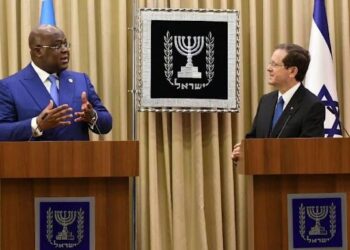
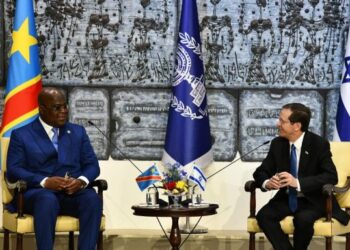
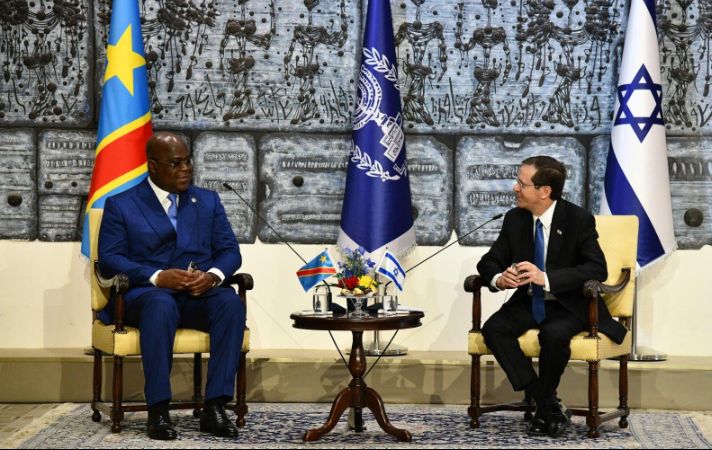
The President of the Democratic Republic of the Congo (DRC), Félix-Antoine Tshisekedi, met with Israel’s President, Isaac Herzog, on Tuesday, 01/09/2026, in Jerusalem. Their discussions focused on relations between the two countries and cooperation in addressing the various challenges facing the DRC.
Following the meeting, President Isaac Herzog reaffirmed that Israel considers the Democratic Republic of the Congo an important friendly country and pledged that Israel is prepared to continue supporting Kinshasa in addressing the challenges confronting the country, particularly humanitarian concerns and other issues affecting the well-being of its population.
Herzog said that Israel’s relationship with the DRC is unique and that the two countries maintain cooperation across various sectors. He also expressed Israel’s desire to further strengthen its engagement with Africa and deepen cooperation with Kinshasa.
The Israeli president further said that he was aware of the many challenges facing the DRC, emphasizing that Israel was ready to assist and support President Tshisekedi, particularly in humanitarian matters and other areas related to the country’s interests.
Israel–DRC Cooperation Continues to Expand
Relations between Israel and the DRC have been steadily strengthening. In November 2025, Isaac Herzog paid a working visit to Kinshasa, where he was received by President Tshisekedi. The visit was regarded as an important step toward strengthening bilateral relations after many years without an Israeli presidential visit to the country.
For Kinshasa, cooperation with Israel could create opportunities in areas including the economy, technology, humanitarian assistance and other development initiatives.
But in Eastern DRC, Concerns Remain Over How Military Assistance Could Be Used
While Israel says it is prepared to assist the DRC, some residents in the eastern part of the country, particularly in South Kivu, argue that their problems cannot be resolved through military assistance alone.
Some residents of eastern DRC accuse the Tshisekedi administration of using the Armed Forces of the Democratic Republic of the Congo (FARDC), Wazalendo fighters, Burundian troops, the FDLR and mercenaries from various countries in military operations allegedly aimed at targeting them.
These are serious allegations that require independent investigation to establish their veracity, particularly with regard to the impact of the conflict on civilians.
Banyamulenge Say They Have Been Among the Communities Most Affected by the Conflict
In various parts of Minembwe and elsewhere in South Kivu, Banyamulenge residents say they have faced attacks, displacement and the loss of property for an extended period.
There are also allegations that government forces have used drones to conduct bombing attacks in areas inhabited by Banyamulenge. These allegations, as well as other claims concerning civilians affected by airstrikes, should be subjected to thorough and independent investigations to establish who carried out the attacks and who was affected or killed.
Regarding Banyamulenge property, residents say activities by Wazalendo groups have resulted in the looting of a significant number of their livestock, particularly cattle, which have historically been an important pillar of the livelihoods and economies of many families.
Residents allege that many thousands of cattle have been looted.
A Message to Israel
As President Herzog pledges that Israel will continue supporting the DRC, some residents in eastern Congo are calling on Israel not to focus solely on its discussions with Kinshasa, but also to engage with communities that say they are bearing the consequences of the war.
These residents argue that any assistance provided to the Congolese government should be aimed at protecting civilians and restoring peace, rather than strengthening the country’s capacity to continue the war.
Some also say Israel should carefully assess how its assistance could be used, particularly amid allegations that government military operations have had an impact on civilian populations.
From Israel’s perspective, its growing cooperation with Kinshasa could provide an opportunity to contribute to efforts aimed at finding lasting solutions to the DRC’s challenges. For communities in the east, however, the real test of this relationship will be whether it contributes to reducing the conflict and protecting civilians, rather than increasing the capacity to sustain hostilities.
As the DRC continues to seek international partners, one fundamental question remains: Will international assistance provided to Kinshasa be used to win the war, or will it help build lasting peace that protects the lives and property of all civilians?