

DRC: Urgent Alert for the Banyamulenge – Genocide Allegations in the East Place the Region and the World at a Critical Crossroads
As security continues to deteriorate in the eastern Democratic Republic of Congo, a Munyamulenge analyst, Girinka Kabare William, has issued a strong statement raising alarm over the situation facing the Banyamulenge community, stating that they are being subjected to serious attacks targeting both their lives and property.
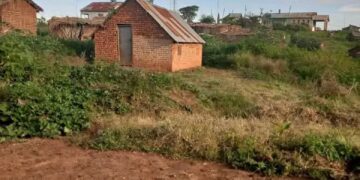
In a message published in Minembwe Capital News, Girinka indicated that killings, the burning of homes, and looting targeting the Banyamulenge are ongoing in a visible and systematic manner in the territories of Fizi, Mwenga, and Uvira in South Kivu Province.
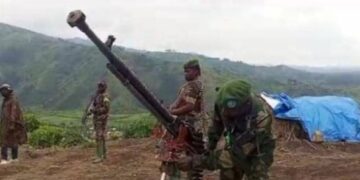
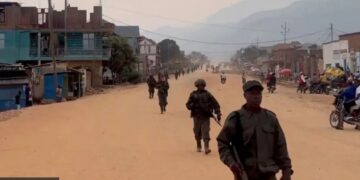
The analyst accuses the administration of President Félix Tshisekedi Tchilombo, the FARDC, Burundian forces under President Évariste Ndayishimiye, as well as armed groups including the FDLR and Mai-Mai (Wazalendo), of involvement in what he describes as acts aimed at the destruction of the Banyamulenge community.
He asserts that these attacks are being carried out in an organized manner with a single objective—targeting civilians based on their ethnic identity.
In his statement, Girinka also mentions several individuals whom he alleges are at the forefront of promoting and supporting this agenda, including Justin Bitakwira, Jean-Luc Habyarimana, and Faustin Kayumba Nyamwasa.
Girinka calls on the United Nations to uphold its responsibility to prevent genocide wherever it occurs, in line with principles established after the Second World War.
He warns that silence in the face of such crimes may be interpreted as complicity and urges immediate action before the situation escalates further.
The analyst also emphasizes that member states of the East African Community (EAC), particularly Rwanda, should not remain passive in the face of what he describes as “signs of genocide.”
“If the international community remains silent, the region must not,” he states.
While this alert highlights the gravity of the allegations, information regarding the exact nature of the attacks, those responsible, and their full scale continues to be reported differently by various parties.
Regional analysts note that the conflict in eastern Congo is highly complex, involving political, economic, and historical ethnic dimensions, making careful analysis and reliance on credible, multi-sourced information essential.
As calls for urgent intervention grow louder, a critical question remains: how will the world respond to this warning—or will it continue to look on, as has often been the case in the region’s history?
The decisions made today could have significant consequences for the future of the region and the security of its populations.