
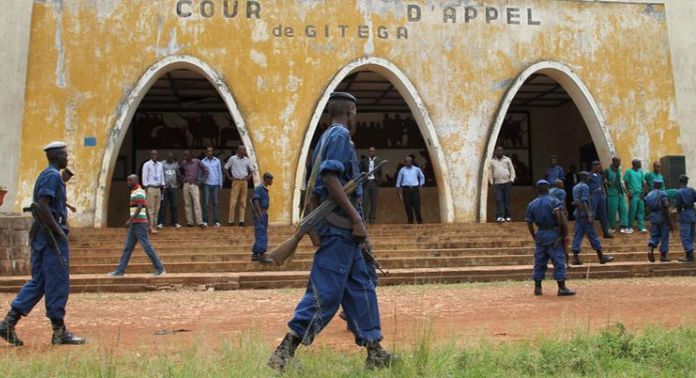
Further Details Emerge on Banyamulenge Refugees Detained in Gitega, Burundi, After Relocating to the City
Minembwe Capital News (MCN)
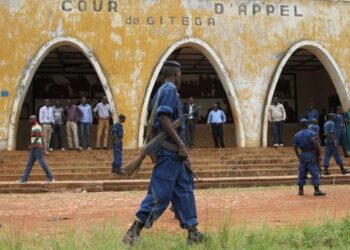
Families of Banyamulenge refugees who had left refugee camps and relocated to Gitega, Burundi’s political capital, were detained by Burundian security forces before some of them were returned to the camps from which they had previously moved.
Information gathered by Minembwe Capital News indicates that among those detained were breastfeeding mothers and their children, raising concerns over the protection of refugee and children’s rights.
The Banyamulenge families had left several refugee camps, including Kavumu, Musasa and Nyenkanda, as well as other camps, and relocated to Gitega at different times.
Some had been living in the city for nearly one month, others for several weeks, while some had been there for almost two months before they were detained.
Soldiers and Police Entered Their Homes and Detained Them
According to testimony obtained by Minembwe Capital News from one of those detained, Burundian soldiers and police officers entered the homes of Banyamulenge families in the early hours of Saturday and detained them, including people who were with their children.
The witness said they were detained at around 6:00 a.m. and taken to a detention facility.
The witness said:
“It happened yesterday. At around 6:00 in the morning, they detained us together with the children and put us in a cell. We spent the whole day and night there, and they released us this Sunday evening.”
The witness said one of the most distressing aspects of the incident was seeing parents detained together with their children, including breastfeeding mothers and others with very young children.
“Breastfeeding Mothers Were Detained With Their Children”
The source who provided the testimony to Minembwe Capital News said it was particularly distressing that breastfeeding mothers were detained together with their children.
The source said:
“It is painful to detain a mother and keep her in custody with her child. There were breastfeeding mothers among those who were detained.”
Minembwe Capital News has not yet been able to independently establish the exact number of families detained.
However, information provided by people familiar with the situation indicates that more than ten Banyamulenge families had relocated to Gitega.
Some Were Returned to Refugee Camps
On Sunday evening, some of those detained were released. However, instead of being allowed to return to their homes in Gitega, they were taken back to the refugee camps from which they had previously moved.
According to the information received, some were taken to Musasa refugee camp, while others were taken to Kavumu refugee camp.
Others were reportedly still awaiting transfer, including some who had previously come from Nyenkanda refugee camp.
This means that families who had spent weeks or months living in Gitega were returned to refugee camps after being detained by security forces.
“You Are Not Allowed to Live in Gitega”
People who spoke to Minembwe Capital News said that soldiers and police officers told them they were not wanted to live in Gitega and that they had to return to the camps from which they had come.
According to information provided by those affected, they were told that if they did not want to remain in the camps, they could return to the Democratic Republic of Congo (DRC), from where they had fled.
The development has raised concerns because these people had already been living as refugees in Burundi for some time before deciding to leave the camps and settle in Gitega.
Could Their Detention Violate International Law?
The central question is whether detaining these refugees and returning them to refugee camps simply because they had left the camps and moved elsewhere could violate international principles governing refugee protection.
International refugee law provides a range of protections, including the right to non-discrimination and freedom of movement, although such rights may be subject to lawful restrictions in certain circumstances.
In particular, the principle of non-refoulement is one of the fundamental pillars of international refugee protection. UNHCR explains that refugees should not be returned to places where their lives or freedom could be at risk.
Therefore, if the Banyamulenge refugees were indeed detained and returned to camps without following lawful procedures, or if their detention lacked a legal basis, the situation could raise serious questions concerning the protection of refugee rights.
Furthermore, the reported presence of children and breastfeeding mothers among those detained makes the matter even more sensitive, as children are entitled to special protection under international human rights law.
Banyamulenge Seek Explanations
The Banyamulenge affected by the situation say they do not understand why people who had left refugee camps and moved to Gitega should be forcibly detained and returned to the camps without being given the option to do so voluntarily.
Some said they had begun rebuilding their lives in Gitega, with some having lived there for nearly two months before being detained by security forces.
As of publication, Minembwe Capital News has not received detailed official explanations from the Burundian authorities or security agencies regarding the precise reasons why the Banyamulenge families were detained, held and subsequently returned to refugee camps.
MCN has also not been able to independently verify the exact number of families detained or determine whether all those detained were ultimately returned to the camps.
What the Situation Means for Banyamulenge Refugees
The development comes as many Banyamulenge remain in refugee camps in Burundi after fleeing fighting and insecurity in eastern DRC.
The fact that some attempted to leave the camps and establish lives in Gitega, only to be detained and returned to the camps, has renewed questions about the extent to which refugees are free to choose where they live within the country that has provided them with asylum.
From the perspective of international law, the issue concerns not only where refugees are permitted to live, but also how government authorities make decisions affecting them, how detention and arrest are carried out, and how children and other vulnerable people are protected.
Minembwe Capital News (MCN)