

GATUMBA 22 YEARS LATER: Why Remembering the Banyamulenge Victims of the 2004 Genocide Remains a Sensitive Issue in Burundi — Those Responsible and the Justice Still Awaited
Minembwe Capital News
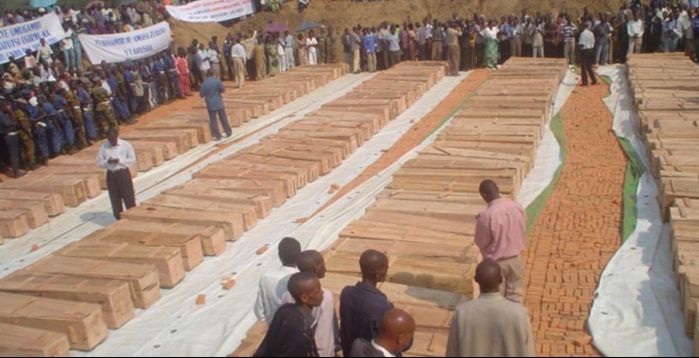
On 13 August 2004, the Congolese refugee camp at Gatumba, near the border between Burundi and the Democratic Republic of the Congo (DRC), became the site of the genocide against Banyamulenge refugees, in which 166 people were killed, most of them Banyamulenge, including women and children. Today, 13 August 2026, marks 22 years since those killings, yet the memory of the victims, the demand for truth, and the pursuit of justice remain deeply sensitive and unresolved issues for the Banyamulenge community.
Information gathered by Minembwe Capital News (MCN) indicates that Banyamulenge living in Burundi say they were not permitted to hold an official commemoration ceremony for their relatives who were killed at Gatumba this year. However, as of now, MCN has not obtained a written statement or official government document from Burundi confirming that the commemoration was formally banned.
One person living in Burundi who spoke to Minembwe Capital News, requesting anonymity for security reasons, said:
“They have stopped the commemoration of those killed at Gatumba here. The CNDD-FDD government refused to allow us to remember them.”
The resident said that the absence of an official commemoration raises serious concerns among people who continue to carry the wounds of that history, particularly because Gatumba holds profound historical and emotional significance for the Banyamulenge and their families.
The Context of the Gatumba Genocide
During the night of 13–14 August 2004, armed men attacked the refugee camp at Gatumba. The victims were Banyamulenge refugees who had fled fighting, persecution and violence in eastern DRC in search of safety in neighboring Burundi.
A Human Rights Watch report published in September 2004 stated that at least 152 people were killed and another 106 injured, noting that most of those targeted were Banyamulenge. Subsequent research has continued to cite a death toll of 166.
Research conducted by the Gatumba Survivors Project at Clark University likewise states that 166 people were killed at Gatumba, most of them members of the Banyamulenge community who had fled from the DRC and sought refuge in Burundi.
For the Banyamulenge community and many survivors and families of the victims, the killings are remembered as a genocide committed against Banyamulenge refugees at Gatumba.
FNL Accused of Responsibility
Following the genocide, the Forces Nationales de Libération (FNL), a Hutu rebel movement led at the time by Agathon Rwasa, was widely identified as having been involved in the attack.
Historical accounts indicate that FNL spokesperson Pasteur Habimana announced that the movement had carried out the attack. Clark University also reports that an FNL spokesperson claimed responsibility for the attack the following day.
However, lengthy disputes subsequently emerged concerning the involvement of individual FNL leaders, the role of the movement’s leadership, and whether its leader, Agathon Rwasa, knew about or participated in the killings.
In 2013, Rwasa said that those seeking answers should question the person who had announced that the FNL was responsible for the attack—his former spokesperson, Pasteur Habimana. This reflected the continuing dispute and denial surrounding the responsibility of senior FNL figures, despite the movement’s earlier claim of responsibility.
Questions About the Truth Remain
Testimonies and accounts from residents have raised questions about whether the Gatumba genocide should be examined solely through the actions attributed to the FNL. Some have called for a deeper investigation into the possible involvement of other individuals or armed groups operating in Burundi and eastern DRC at the time.
The central questions of who planned, ordered and carried out the killings at Gatumba, and whether others were involved, have therefore remained without a definitive judicial resolution.
Human Rights Watch reported that the Gatumba killings were followed by political disputes and competing accusations, as well as failures to adequately investigate and prosecute those responsible.
The absence of a final judicial determination has left survivors and victims’ families continuing to seek answers and accountability.
“Even If We Cannot Commemorate Them Publicly, We Always Remember Them in Our Hearts”
Another resident of Burundi who spoke to Minembwe Capital News said that the absence of an official commemoration cannot erase the memory of those who were killed.
The resident said:
“Even if we cannot commemorate them, we always remember our loved ones who were killed at Gatumba on 13 August 2004.”
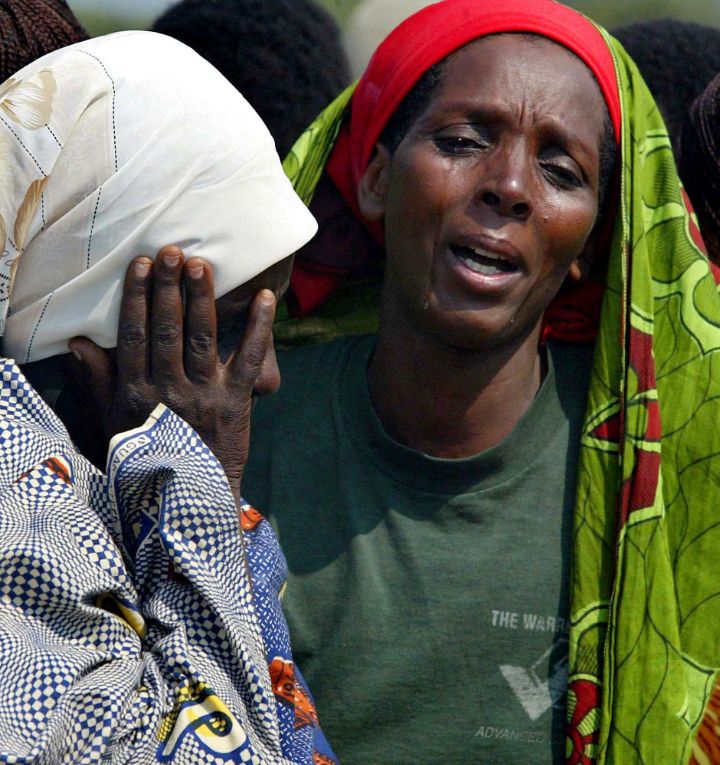
These words illustrate that, for many families who lost relatives in the Gatumba genocide, remembrance is not merely a ceremony. It is also a way of preserving the history of their loved ones and continuing to demand that the truth about what happened be established.
22 Years of Remembrance and the Demand for Justice
Although new information gathered by MCN indicates that some Banyamulenge in Burundi may not have been allowed to hold an official commemoration this year, the victims of the Gatumba genocide have continued to be remembered in different parts of the world, particularly in countries where Banyamulenge communities live.
In 2025, for example, Banyamulenge in different parts of the world commemorated the 21st anniversary of the killings. SOS Médias Burundi reported that the commemorations focused on remembering the victims and continuing to demand justice.
In the DRC, the 21st-anniversary commemoration was also attended by officials and representatives of various institutions, with the Congolese government calling for those responsible for the killings to be brought to justice.
This makes the question of whether Banyamulenge are allowed to publicly commemorate the victims in Burundi an issue that extends far beyond a single ceremony. It concerns the right to remember victims of genocide, preserve their history, honor their memory, and demand justice.
Could a Commemoration Take Place in a Refugee Camp?
The resident who provided information to MCN also said that reports were circulating in Burundi that Banyamulenge might gather at a refugee camp housing Banyamulenge refugees to commemorate their loved ones.
However, the resident said they were unable to establish exactly which camp was being referred to or whether such a ceremony would actually take place.
They said:
“I saw information saying that they should go to a refugee camp to commemorate them, but I do not know whether it will be possible.”
As of now, Minembwe Capital News cannot independently confirm whether such a ceremony was planned or whether it took place. The information should therefore be regarded as an unverified report until it is confirmed by other reliable sources.
Gatumba: 22 Years of an Unhealed Wound
Gatumba is not simply the story of a single day. It is a wound that has remained open for 22 years.
It is the story of refugees who had fled violence and sought safety in a neighboring country that should have provided them with protection, only to encounter death there.
It is the story of 166 people who lost their lives.
It is the story of families left behind with questions that have never been fully answered.
And it is the story of justice that remains awaited.
Today, 13 August 2026, 22 years after the Gatumba genocide, the fundamental question is not merely whether Banyamulenge are allowed to hold an official commemoration ceremony.
The deeper question is whether the history of the Gatumba genocide can be discussed openly, whether its victims can be remembered freely, and whether those responsible can ultimately be held accountable for their actions.
For some, remembrance means keeping the names of their loved ones alive.
For others, it means demanding justice.
For many, it is a message that says:
“We have not forgotten.”
And even when public remembrance may be restricted, the memory of the victims cannot easily be erased from the hearts of those who survived and those who continue to mourn.
Minembwe Capital News