
Kamanyola Residents Protest U.S. Decision, Call on AFC/M23 Not to Withdraw from Areas It Controls
Reports from Kamanyola, in Walungu Territory of South Kivu Province, indicate that local residents staged a protest to condemn a decision by the United States of America ordering AFC/M23 forces to withdraw from the city of Uvira, which is located nearby.
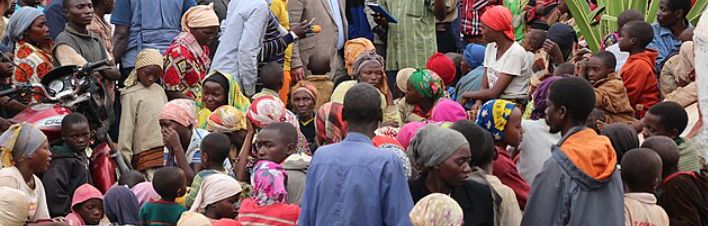
The protest took place on Friday afternoon, 19/12/2025, and was attended by residents from various communities, including Tutsi, Shi, Fulero, Rega, and others. They united to express their concerns about their security and the future of peace in the region.
The demonstrators carried placards with messages addressed to the international community, particularly the United States, demanding explanations as to why AFC/M23 was asked to withdraw from areas it had taken control of, including Uvira. They argued that such a decision has created a security vacuum for civilians.
In their statements, the residents said they view AFC/M23 as a force that ensures civilian security, claiming that areas under its control are relatively calm compared to others. They accused the Congolese national army (FARDC) and the Wazalendo armed groups of looting civilian property and committing abuses, which they say have been the main causes of fear and displacement.
These events come as AFC/M23 recently withdrew from the city of Uvira following the U.S. decision. Prior to the withdrawal, Uvira residents had also staged similar protests, condemning the decision and saying it failed to address the root causes of insecurity and instead risked further destabilizing their lives. They blamed Wazalendo and other forces for serious negative impacts on civilians.
The Kamanyola protest reflects a growing civilian voice calling on the international community to ensure that decisions concerning security in eastern DRC are based on the safety and well-being of civilians rather than purely political interests. Analysts believe that this message to the international community could increase pressure to reassess how the global community approaches the long-standing security crisis in the region.