

MRDP-Twirwaneho Recaptures Mikenke After Intense Fighting; Minembwe Residents Express Great Joy
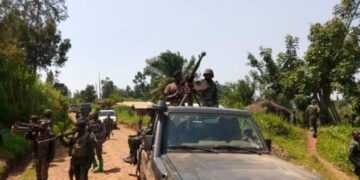
The MRDP-Twirwaneho movement has announced that it has recaptured the Mikenke center, located in Mwenga Territory, South Kivu Province, following intense clashes with a coalition of forces comprising the Armed Forces of the Democratic Republic of the Congo (FARDC), Burundian troops, Wazalendo militias, and the FDLR armed group.
Reports from the area indicate that MRDP-Twirwaneho fighters entered the Mikenke center on Monday, June 8, 2026, after several days of heavy fighting in the surrounding hills and nearby areas.
Mikenke is considered a strategically important location both militarily and administratively, as it lies along a route connecting various mountainous areas of Minembwe and Mwenga and is situated a short distance from the town of Minembwe. Its capture has significantly altered the security landscape and the balance of power between the opposing sides in the region.
This victory for MRDP-Twirwaneho comes only days after residents of Minembwe and surrounding areas expressed serious concerns about security. On Saturday night, reports from the Lundu area indicated that shells fired by FARDC forces landed in civilian-populated areas, killing two people and injuring several others.
Reports further indicate that civilian infrastructure, including schools, was damaged during the fighting. As a result, many residents have renewed calls for stronger measures to protect civilians and end the violence that continues to affect local communities.
Following the announcement that Mikenke had been recaptured by MRDP-Twirwaneho, many residents of Minembwe and neighboring areas expressed their joy. In particular, members of the Banyamulenge community stated that the development has given them renewed hope for security after a prolonged period marked by fear and conflict.
Videos and messages circulated on social media showed some residents celebrating the news, saying they believe that renewed control of Mikenke by MRDP-Twirwaneho could help restore stability and facilitate movement between different areas of the Minembwe highlands.
Some residents also emphasized the strategic significance of the area, noting that Mikenke is regarded as a gateway to several key parts of Minembwe. They said the development has strengthened their hopes of resuming daily activities such as farming, livestock keeping, and trade, which had been severely disrupted by the conflict.
In recent months, a coalition consisting of FARDC, Burundian troops, Wazalendo militias, and the FDLR had taken control of Mikenke following military operations against MRDP-Twirwaneho.
At the time, forces aligned with the Congolese government announced that they controlled large portions of the region. However, fighting continued across the Minembwe highlands and areas bordering Mwenga Territory, resulting in frequent shifts in territorial control depending on battlefield developments.
MRDP-Twirwaneho’s recapture of Mikenke could have significant implications for the ongoing conflict in South Kivu, particularly in the areas of Minembwe, Bijombo, Rurambo, and Tulambo, where rival forces continue to compete for control of key routes and strategic military positions.
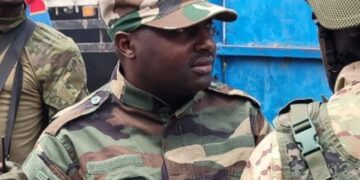
According to MRDP-Twirwaneho, speaking through Col. Rugabo, FARDC and its allied forces retreated toward Mikarati, Gipupu, and other locations following the fighting.
As of now, reports from residents living near Mikenke indicate that the area remains under the control of MRDP-Twirwaneho. However, independently verified information regarding the number of casualties and injuries resulting from the clashes has not yet been released.
Analysts suggest that the capture of Mikenke could improve access to essential goods such as sugar, salt, and other basic commodities for residents of Minembwe and nearby areas, largely because of the location’s importance in controlling transportation routes linking different communities and positions throughout the region.
While many residents are celebrating MRDP-Twirwaneho’s reported victory, significant efforts are still needed to achieve lasting peace and stability in an area that has endured years of armed conflict, population displacement, and humanitarian challenges.