
The Lives of Congolese Refugees in Kenya at Risk: Lawyer Byashoni Calls for Assistance and Support for Their Return
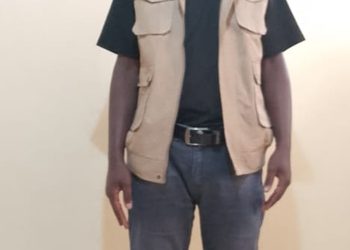
Lawyer and human rights advocate Maniragaba Byashoni John has expressed serious concern over the potential consequences of a decision to suspend small-scale business activities carried out by refugees and foreigners in Kenya.
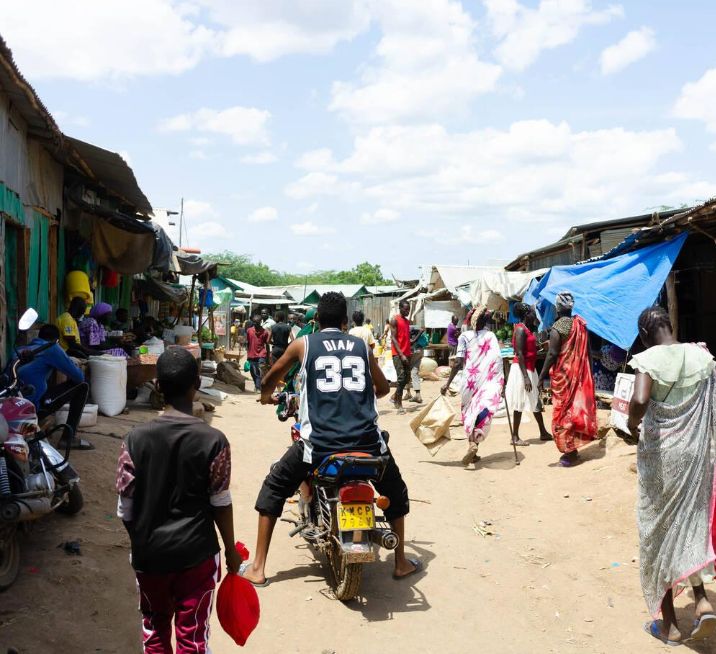
In a statement entitled “Plaidoyer Humanitaire,” which he says he wrote from Bukavu, South Kivu, on Saturday, 05/09/2026, Lawyer Byashoni said the decision has generated significant concern and fear among refugee families, particularly the many Congolese who have traditionally depended on small-scale and street-based businesses for their livelihoods.
Me. Byashoni: The Decision Could Deepen Poverty Among Refugees
Lawyer Byashoni argues that suspending business activities carried out by refugees, without providing alternative means of livelihood, could push many people into extreme poverty and expose them to the risk of being unable to meet their basic needs.
He noted that, for many Congolese refugees living in Kenya, small-scale businesses are their primary source of income and the main means of supporting their families.
He further warned that suspending such activities without providing alternative options could expose refugees to hunger and severe poverty. He also recalled that many of them did not leave the Democratic Republic of the Congo voluntarily, but fled because of war and insecurity.
He Links the Decision to Calls for Voluntary Return
Lawyer Byashoni recalled that the decision comes after campaigns encouraging Congolese people, particularly those from eastern Democratic Republic of the Congo, to return to their country.
During these campaigns, it has repeatedly been emphasized that remaining abroad for a prolonged period may create challenges for individuals and their children, including the risk of not having full access to citizenship and having fewer opportunities to obtain certain forms of employment, particularly in public institutions.
Lawyer Byashoni considers the new decision taken in Kenya to be a serious and exceptional lesson, but stresses that any measures affecting refugees should respect their rights and dignity.
He Calls for Time and Assistance to Prepare for Return
Among his recommendations, Lawyer Byashoni calls for Congolese refugees affected by the decision to be given sufficient time and assistance to prepare and organize their lives before returning to their country.
He also calls on the Government of the Democratic Republic of the Congo to request the resumption of the tripartite agreement between Kenya, the DRC and the UNHCR, in order to restore mechanisms for preparing and supporting those who wish to return.
Lawyer Byashoni further argues that authorities responsible for the areas to which refugees intend to return should also be involved, particularly on matters of security and humanitarian assistance, so that their return can take place voluntarily, safely and with dignity.
He Recalls the Gatumba Tragedy
In his statement, Lawyer Byashoni also referred to the painful history of Banyamulenge refugees who sought refuge in Gatumba, Burundi, and were later killed because of their ethnic identity.
He recalled that many Banyamulenge refugees who remain in that region continue to live with the consequences of the massacre that took place in Gatumba, Burundi, on 13/08/2004.
He argues that these historical experiences, combined with changes in the living conditions of refugees in Kenya, could rekindle fear and trauma among people who have spent many years in exile.
“Returning to the Country Must Be Safe and Dignified”
According to Lawyer Maniragaba Byashoni John, the refugee issue should not be viewed solely through the lens of law and governance, but must also be addressed from humanitarian, security and human rights perspectives.
He believes that if there is a plan to assist Congolese refugees in returning to their country, appropriate mechanisms should first be put in place to help them prepare, reach their places of return safely and rebuild their lives, rather than leaving them in poverty after they lose the means of livelihood on which they have depended.