
Tshisekedi’s Visit to Jerusalem Raises Deeper Questions: He Honors Holocaust Victims as FARDC Faces Allegations of Atrocities Against Tutsi Communities in Eastern DRC
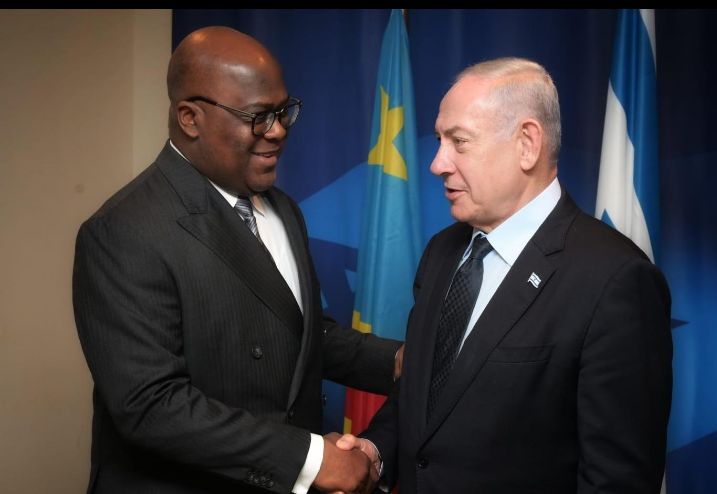
President of the Democratic Republic of the Congo (DRC), Félix-Antoine Tshisekedi Tshilombo, paid an official working visit to Jerusalem, Israel, where he met with senior Israeli officials for high-level discussions focused on strengthening and expanding relations between Kinshasa and Jerusalem.
Tshisekedi arrived in Israel on August 31, 2026, at the invitation of Israeli President Isaac Herzog. The visit was primarily aimed at deepening bilateral cooperation and exploring ways to transform the relationship between the two countries into concrete partnerships in key sectors of strategic importance to the DRC.
Tshisekedi Visits Yad Vashem
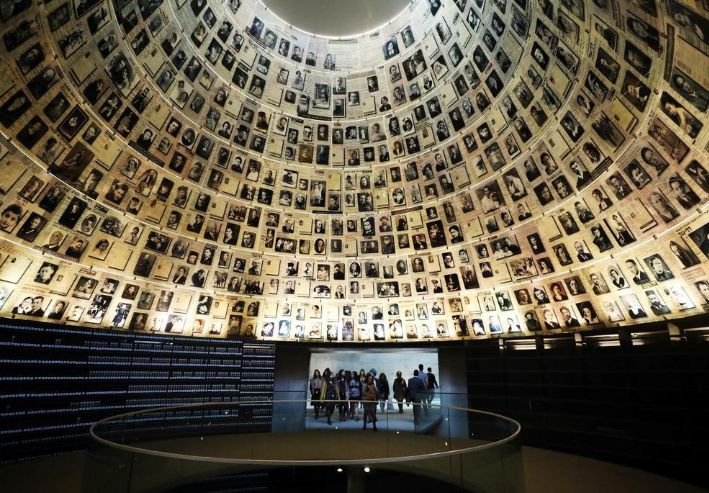
Before meeting with senior Israeli leaders, President Tshisekedi visited Yad Vashem, Israel’s Holocaust remembrance center in Jerusalem.
He subsequently visited the Holocaust History Museum and the Hall of Names, which commemorates the identities and histories of more than six million Jews murdered during the Holocaust in the Second World War.
During the visit, Tshisekedi laid a wreath at the memorial and lit the Memorial Flame in a designated area of the site.
The ceremony expressed respect for the victims of the Shoah and conveyed a broader message against hatred, antisemitism, genocide and other crimes targeting human beings.
Tshisekedi also emphasized the importance of preserving the memory of the Holocaust so that humanity does not repeat the mistakes that resulted in the deaths of millions of people.
A Serious Question Surrounding the Forces Under His Command
While President Tshisekedi visited the Holocaust memorial and expressed his condemnation of the atrocities and persecution suffered by Jews, his visit also comes against the backdrop of serious allegations concerning his government and the Armed Forces of the Democratic Republic of the Congo (FARDC), which he commands as Commander-in-Chief.
In eastern DRC, particularly in South Kivu and North Kivu, the FARDC and armed groups aligned with the government have continued to face allegations from opposition voices, sections of the local population, representatives of the Banyamulenge community and others regarding killings, persecution and other acts allegedly targeting civilians.
The allegations have particularly focused on alleged abuses against Banyamulenge and Tutsi communities more broadly in eastern DRC.
Those raising the allegations are calling for independent and comprehensive investigations to establish the facts and ensure that anyone responsible for serious crimes is held accountable.
This has led some observers to view Tshisekedi’s visit to Yad Vashem as a significant gesture, while simultaneously raising questions about the consistency between condemning genocide and the allegations of abuses involving government forces in eastern DRC.
Tshisekedi Has Visited Yad Vashem Before
This is not President Tshisekedi’s first visit to Yad Vashem.
In 2021, he became the first DRC president to visit the memorial, where he paid tribute to the victims of the Shoah and emphasized the importance of remembering the Holocaust in the fight against genocide, hatred and discrimination.
His 2026 visit once again placed Tshisekedi among international leaders who have visited the memorial to honor the victims of the Holocaust.
Tshisekedi Meets Prime Minister Benjamin Netanyahu
Following his visit to the Holocaust memorial, Tshisekedi held talks with Benjamin Netanyahu, Prime Minister of Israel.
Their discussions focused on ways the DRC and Israel could further strengthen cooperation in areas of strategic importance to Kinshasa, including security, national defense, agriculture, infrastructure, energy and advanced technology.
Both leaders expressed their willingness to further develop bilateral relations.
Netanyahu emphasized the friendship between Israel and the DRC and the desire to strengthen and elevate their relationship to a higher level.
For the DRC, the talks form part of Kinshasa’s broader efforts to develop international partnerships that can help strengthen national security capabilities, promote economic development and leverage technology for national progress.
Herzog and Tshisekedi: Moving Toward “Concrete Cooperation”
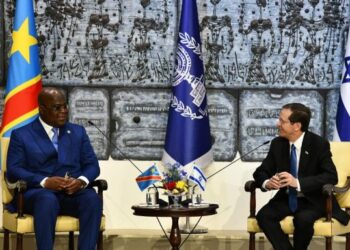
Tshisekedi also met with Israeli President Isaac Herzog, who had invited him to Israel.
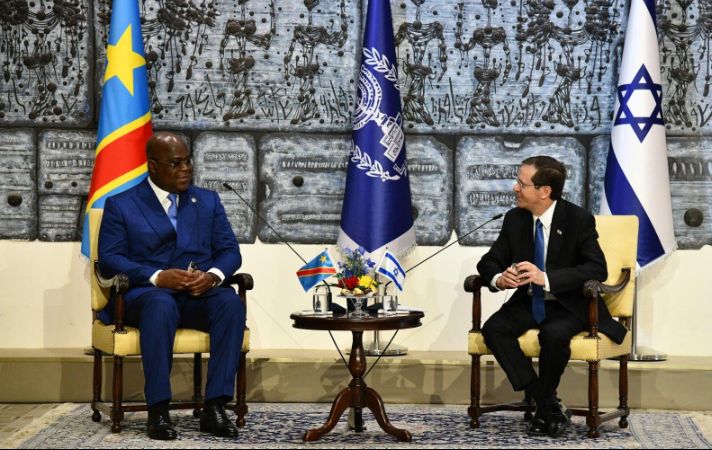
The two presidents continued discussions that had begun during Herzog’s visit to Kinshasa in November 2025. Their latest meeting reaffirmed their shared interest in building a stronger partnership between the DRC and Israel that could generate tangible benefits for both countries.
Their discussions covered several areas, including:
- Agriculture and food security;
- Water management;
- Healthcare;
- Technology and innovation;
- Security;
- Vocational training and education;
- Investment.
Tshisekedi emphasized that the DRC was not seeking merely to sign agreements with other countries, but wanted new partnerships to produce concrete results for its population.
He stressed the importance of developing a modern and practical partnership with Israel, one whose success would ultimately be measured by the implementation of agreements and the benefits delivered to citizens.
Foreign Ministers Kayikwamba Wagner and Gideon Sa’ar Also Hold Talks
During the visit, DRC Foreign Minister Thérèse Kayikwamba Wagner also held discussions in Jerusalem with her Israeli counterpart, Gideon Sa’ar.
The two officials discussed ways to further expand relations between the DRC and Israel and identify additional areas of cooperation.
Their discussions also addressed the security situation in eastern DRC, security challenges in the Middle East, and cooperation between the two countries within international organizations.
On the Israeli side, Sa’ar described the DRC as a friendly country and expressed confidence that bilateral relations could advance to a new and significant level.
Lobito Corridor and Investment Opportunities
The visit also included discussions on potential Israeli investment opportunities in the DRC, particularly in connection with the Lobito Corridor, as well as follow-up on a Memorandum of Understanding (MoU) signed on July 27, 2026, by the DRC Foreign Minister.
This demonstrates that Tshisekedi’s visit was not limited to political and security matters. It was also intended to expand cooperation in areas such as economic development, investment, technology, agriculture and infrastructure.
A Visit Carrying Both Political and Diplomatic Significance
Tshisekedi’s visit to Jerusalem began on August 31, 2026, with a ceremony honoring the victims of the Shoah at Yad Vashem. It then proceeded to high-level meetings with Prime Minister Benjamin Netanyahu and President Isaac Herzog, alongside ministerial-level discussions between the two countries.
Overall, Kinshasa and Jerusalem appear to be seeking to move beyond conventional diplomatic relations toward a more practical and results-oriented partnership, particularly in security, agriculture, water, healthcare, technology, investment, energy and infrastructure.
For Tshisekedi, one of the central messages of the visit was that the DRC is seeking international partners capable of helping the country strengthen its institutional and economic capacity and accelerate development.
Israel, meanwhile, has signaled its willingness to deepen cooperation with Kinshasa across a range of sectors.
However, Tshisekedi’s visit to Yad Vashem has also brought renewed attention to a fundamental question concerning the relationship between the condemnation of genocide, hatred and persecution and the security crisis unfolding in eastern DRC.
The fact that the DRC president honored the victims of the Holocaust and condemned mass atrocities carries significant international weight. At the same time, allegations concerning abuses by FARDC forces and their allies, including accusations of attacks against Banyamulenge and other Tutsi communities in eastern DRC, continue to call for clarification, independent investigations and accountability.
For many observers, the central question is whether the principles expressed in condemning genocide and other grave crimes against humanity can also be translated into concrete action to protect all citizens of the DRC, regardless of their ethnic identity or place of origin.
Tshisekedi’s 2026 visit to Israel therefore went beyond strengthening relations between Kinshasa and Jerusalem. It also served as a reminder that combating genocide, hatred and discrimination requires consistent application of fundamental principles everywhere—and that every population has the right to protection from its own government.