
Uvira: Gunfire Erupts Again as Residents Call for the Return of AFC/M23
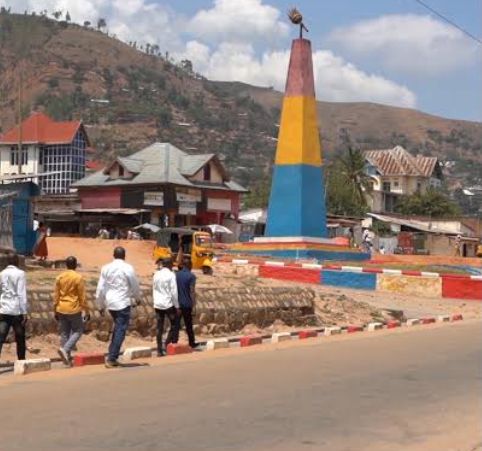
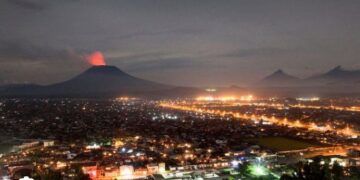
On the night of Friday, April 10, into Saturday, April 11, 2026, at approximately 00:28 a.m., residents of the city of Uvira were once again startled by the sound of gunfire heard in the Mulongwe area, toward the Kasenga side. The cause of the shooting remains unknown at this time, but it has further heightened concerns over the persistent insecurity that has gripped this city in South Kivu Province.
This incident comes at a time when Uvira is under the control of a coalition of forces including the FARDC (Armed Forces of the Democratic Republic of Congo), Burundian troops, the Wazalendo militia, and FDLR rebels. Despite the presence of these forces, security conditions remain fragile, with residents reporting a rise in killings, theft, and other forms of violence.
The security situation in Uvira began to deteriorate significantly after the withdrawal of the Alliance Fleuve Congo (AFC/M23) from the city on January 17, 2026. At the time, many residents had hoped that government forces and their allies would be able to restore order.
However, since then, the situation has worsened rather than improved. Various reports and testimonies from residents indicate that killings have continued to increase, particularly at night, with individuals being attacked or murdered unexpectedly by armed assailants.
While government authorities continue to assert that efforts are underway to restore security, some residents of Uvira have begun to express dissatisfaction, stating that they no longer have confidence in the forces currently responsible for their protection.
Some residents argue that, although AFC/M23 is a rebel movement, areas under its control tend to experience relatively better security. This perception has led to growing calls from certain members of the population for the group to return, claiming it could help restore a sense of safety and normalcy.
These sentiments are also based on observations from other towns and areas reportedly controlled by AFC/M23, including Goma, Bukavu, Minembwe, and others, where residents say they have been able to resume their daily activities with less fear.
The collaboration between FARDC, Burundian forces, Wazalendo, and FDLR has also raised concerns among some analysts and residents, who argue that the presence of multiple groups with differing interests may lead to poor coordination, ultimately undermining efforts to establish lasting security.
In particular, the continued presence of the FDLR in parts of eastern DRC remains a subject of international debate, given its history and its long-standing role in regional instability.
For now, Uvira remains engulfed in a tense security climate, with residents living in constant fear, especially during nighttime hours. The gunfire heard in Mulongwe last night is yet another indication that the security crisis has not yet found a sustainable solution.
Residents are calling for firm and effective measures, including the deployment of well-disciplined forces, improved coordination among security agencies, and the pursuit of political solutions to end the long-running conflict in eastern Democratic Republic of Congo.
Unless meaningful changes are implemented soon, there are growing fears that Uvira may remain trapped in a cycle of insecurity, with serious consequences for the lives and livelihoods of its population.