
“Are Tutsis in Congo Meant to Die?” – A Strong Message from Obadioas Kavune Calling on the International Community to Be Held Accountable
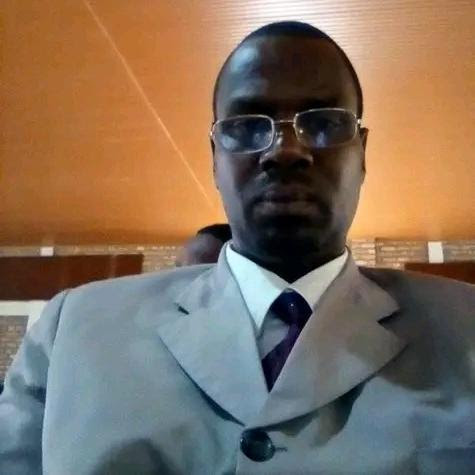
On the morning of Tuesday, 16/12/2025, Obadioas Kavune, a Munyamulenge known for his in-depth analysis of security and human rights issues in eastern Democratic Republic of Congo (DRC), delivered a powerful message through Minembwe Capital News, addressed to the international community and international organizations monitoring developments in the region.
In this message, Kavune strongly criticized what he described as the unjustified silence of the international community regarding the killings, persecution, and violence that Tutsis in Congo have suffered at different periods in history. He directly questioned whether the right to life and justice is respected equally for all people, or whether there are some whose deaths the world accepts.
Referring to history, Kavune recalled that in 1964, during the unrest led by Pierre Mulele, many Tutsis were killed in Congo, looted, and subjected to extreme violence, while the international community failed to take decisive action. He added that in the years that followed, when Mobutu Sese Seko sought to regain his power, he relied on Tutsis who helped him militarily, after which they briefly recovered some of the rights that had previously been undermined.
Kavune went on to mention the year 1996, stating that Tutsis were given only a few hours to leave Congolese territory, a situation that was followed by killings, looting, and the burning of their homes. In 1998, as violence escalated, Tutsis continued to be killed in various places including Kinshasa, Lubumbashi, Kalemie, and many other areas, while the international community, according to him, stood by and watched.
He also reminded the audience that since 2017, Tutsis in eastern Congo have continued to face destruction of their homes, looting, killings, and forced displacement for more than eight years, with some of them having already sought protection.
In strong words, Kavune stated:
“During all these times when Tutsis were dying, the international community was silent. Even in 1994 in Rwanda, Tutsis were killed while the world watched.”
He further questioned why, as he put it, a military operation that took place in Uvira immediately triggered loud international outcry, while Munyamulenge who had been detained in the Minembwe area found a path to freedom, despite the fact that for many years they had been targeted by aerial attacks and heavy bombardments from the air—yet all this had not raised similar concern from the international community.
Kavune also recalled the remarks of the President of the Republic of Rwanda, Paul Kagame, who said that those who loudly condemned what happened in Uvira had never spoken about the long-standing suffering endured by the Banyamulenge. He further referred to events in Ituri Province, noting that there too the international community remained silent in the face of massacres that claimed many lives.
In conclusion, Obadioas Kavune called on the international community and international organizations to stop prioritizing political and economic interests alone. He emphasized that the time has come for humanitarian actors and peace advocates to be allowed to carry out their work freely, with the aim of protecting civilian lives and upholding human rights for everyone, without any form of discrimination.
This message from Obadioas Kavune has been received as a strong testimony that further reinforces the ongoing debates and concerns about the role and responsibility of the international community in preventing violence and conflict that continue to plague eastern Democratic Republic of Congo.