
At long last, President Tshisekedi has reportedly called upon foreign military personnel to provide security protection
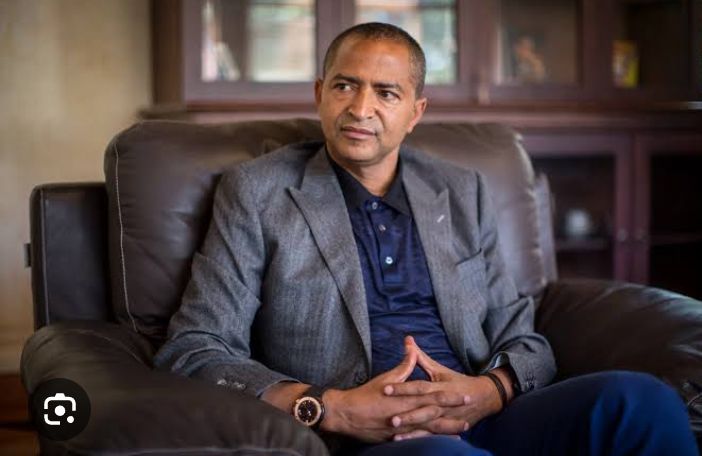
In Kinshasa, the capital of the Democratic Republic of the Congo (DRC), significant developments are being reported regarding the security arrangements of President Félix Tshisekedi, as the country continues to face political and security challenges that have raised concerns over a possible coup d’état.
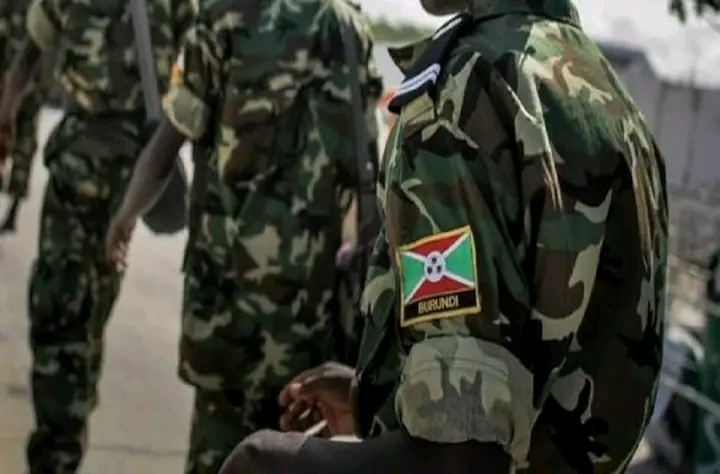
Information from various sources close to the Kinshasa administration indicates that President Tshisekedi has adopted strict measures to reinforce his personal security, including seeking assistance from foreign military personnel, particularly from Burundi. This comes amid growing distrust between him and certain segments of the Congolese armed forces, especially those operating within the capital.
It is reported that selected soldiers from the Burundian armed forces, particularly units operating in the Cibitoke region and within the 112th and 121st brigades, have been assigned to a special mission to provide protection for the President. These soldiers are said to first undergo specialized training before being deployed to Kinshasa, in order to adequately prepare them for the sensitive responsibility of guarding the Head of State.
These developments come following circulating reports suggesting that President Tshisekedi may be concerned about a possible attempt to overthrow his government, particularly at a time when the eastern part of the country continues to experience insecurity, with armed groups persistently clashing with government forces. This situation has led some officials to question the level of trust the President still places in his own security institutions.
Since taking office in 2019, the Democratic Republic of the Congo under Tshisekedi has continued to face persistent political challenges, including mistrust among political actors, disputed electoral claims, and tensions between the government and opposition groups.
During his presidency, Tshisekedi has also faced significant pressure from opposing political factions, elements within the security forces, and ongoing instability in eastern DRC, particularly in the provinces of North Kivu, South Kivu, and Ituri.
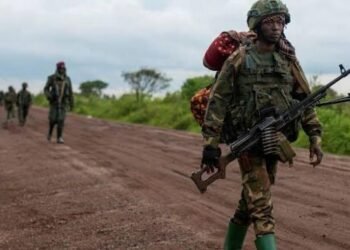
Furthermore, the DRC’s relations with some countries in the region have remained fluid, with the government at various times seeking assistance from foreign forces, including those from Burundi, in addressing armed groups operating in the eastern part of the country.
As of now, there has been no official statement from the DRC government confirming reports regarding the deployment of Burundian soldiers to protect President Tshisekedi. However, concerns over instability and the possibility of a coup attempt continue to circulate among political observers and citizens, particularly in Kinshasa.
Political analysts suggest that a situation in which a Head of State no longer fully trusts parts of his own military could indicate a deeper crisis in governance and national security. This may also have broader implications for relations between the government and the public, as well as for diplomatic ties within the region.
On the other hand, some observers argue that these measures may simply reflect standard security reinforcement in response to exceptional circumstances, where the protection of leaders is often heightened during periods of political tension or conflict.
Although these reports remain unconfirmed officially, they illustrate a picture of growing insecurity and reduced trust between President Tshisekedi’s administration and segments of the national security apparatus.