
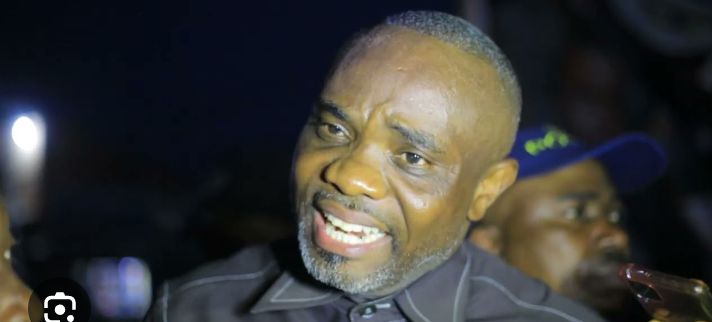
South Kivu: Analysis Finds Acting Provincial Governor’s Claims Were Not Supported by Verified Evidence
MINEMBWE CAPITAL NEWS (MCN)
The Acting Governor of South Kivu Province, Jean-Jacques Elakano, recently claimed that French mercenaries were allegedly fighting alongside the MRDP-Twirwaneho movement, which closely cooperates with the Alliance Fleuve Congo (AFC/M23), in the ongoing conflict across several parts of the province.
According to Elakano, the alleged foreign fighters were involved in an attempt to seize Kitutu, a strategically important area in Mwenga Territory, where they reportedly clashed with the Armed Forces of the Democratic Republic of the Congo (FARDC) and allied Wazalendo fighters.
He further alleged that foreign nationals were also involved in operating drones used in attacks against FARDC positions.
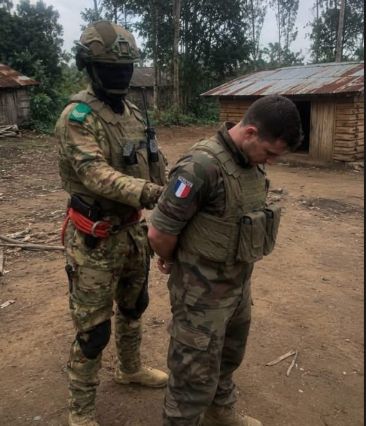
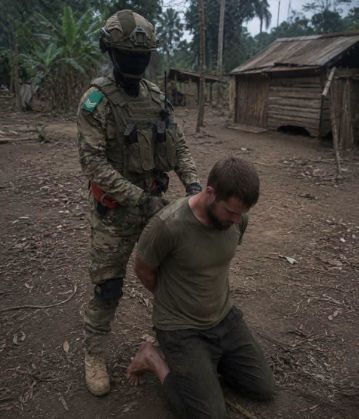
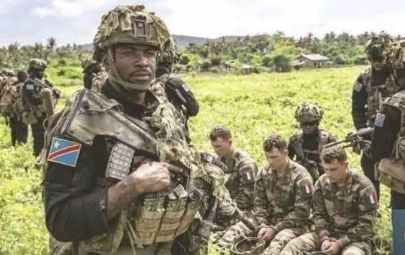
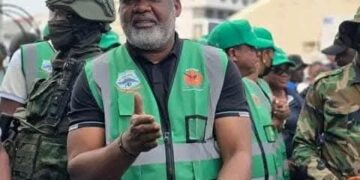
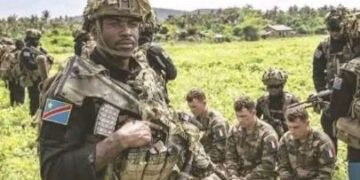
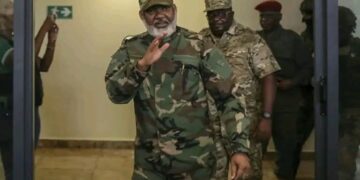
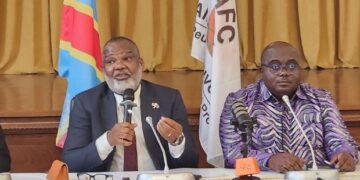
Following these statements, photos and videos quickly circulated across social media, claiming to show French soldiers captured by FARDC forces in eastern Democratic Republic of the Congo. However, many observers argued that the images had been artificially generated using advanced digital technology to reinforce the narrative that foreign fighters were participating in the conflict.
Others suggested that the images were released in an effort to support official claims following reports that MRDP-Twirwaneho had gained ground against FARDC in several areas surrounding Minembwe, including Mikenke, Rwitsankuku, Point Zero, Kwa Mulima, and other locations.
The images spread widely on platforms such as Facebook and X (formerly Twitter), where some users presented them as evidence that French soldiers were actively involved in the conflict in eastern DRC.
However, a verification conducted on the authenticity of the images found no credible evidence confirming that French soldiers had been captured in the Democratic Republic of the Congo.
To date, neither FARDC, the DRC Ministry of Defence, the Ministry of Communication and Media, nor the French Embassy in the DRC has issued any official statement confirming that French soldiers were captured.
These allegations were made by the Acting Governor of South Kivu, who serves under the Kinshasa administration currently operating from Uvira following the AFC/M23 takeover of Bukavu.
This is not the first time such allegations have surfaced. Similar claims have circulated in previous years, but France has consistently denied deploying its military forces in combat operations on the territory of the Democratic Republic of the Congo.
The developments come as the conflict in eastern DRC continues to be characterized by complex political, security, and military tensions involving multiple actors.
To determine whether the circulating images were authentic, they were analyzed using specialized digital forensic tools capable of detecting content generated or manipulated through Artificial Intelligence (AI).
The results indicated strong signs that the images were AI-generated.
According to the analysis report:
- Image One: 97.7% probability of being AI-generated.
- Image Two: 99.9% probability.
- Image Three: 86.6% probability.
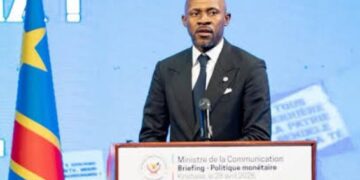
- Image Four: 99.4% probability.
These findings indicate that the images cannot be considered reliable evidence that French soldiers were captured in the Democratic Republic of the Congo.
The case also highlights the growing role of social media in modern conflicts, where fabricated information, AI-generated images, or content taken out of context can rapidly spread, potentially misleading the public and escalating tensions.
Media verification experts emphasize that information and visual content related to military operations should always be independently verified and supported by credible evidence before being accepted as factual.
At the same time, some observers have questioned whether the Acting Governor sufficiently verified the allegations before making them public, noting that public officials have a responsibility to communicate information that is accurate, evidence-based, and properly verified. The controversy has also revived debate over longstanding accusations that some officials within the Kinshasa administration have, at times, made public claims without presenting sufficient supporting evidence.