
13 Banyamulenge in Burundi: Espionage or Ethnic Profiling?
Minembwe Capital News (MCN)
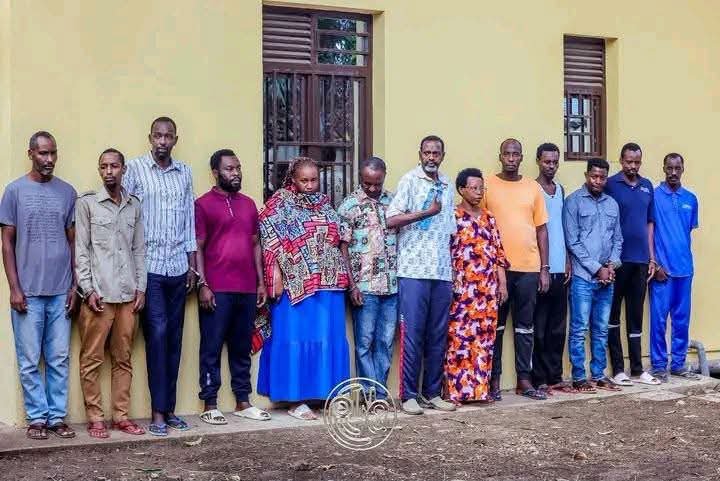
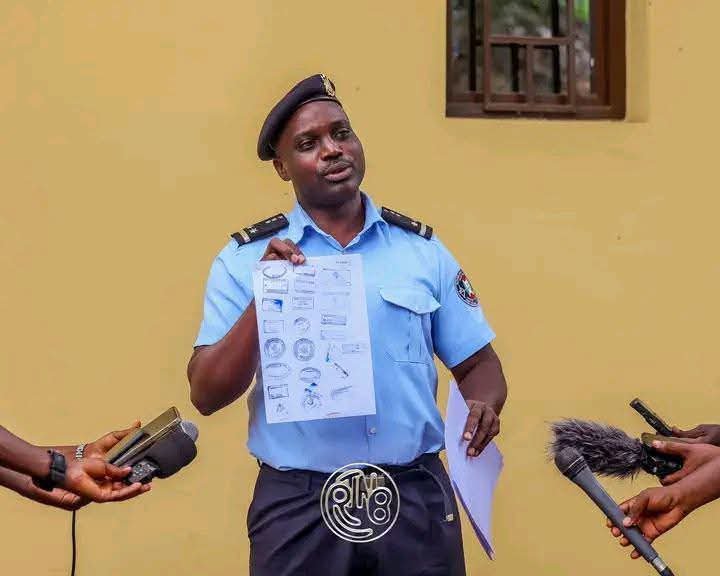
Burundi’s police have paraded 13 Banyamulenge individuals, including 11 men and two women, accusing them of various offences, including espionage on behalf of Rwanda, collaboration with armed groups, and the use of allegedly illegal documents. The allegations were announced on October 9, 2026, by Lieutenant Colonel Pierre Nkurikiye, spokesperson for Burundi’s internal security authorities.
However, the manner in which these Banyamulenge individuals have been publicly accused, together with the nature of the allegations against them, has raised serious questions about their rights, nationality, and the treatment of refugees whom Burundi has agreed to receive and protect.
It is important to emphasise that the statements made by Burundi’s police spokesperson should not be treated as established facts or as allegations already proven in court. The information released so far does not provide detailed evidence demonstrating each individual’s alleged involvement in the offences attributed to them. Furthermore, such accusations do not remove the accused persons’ right to be presumed innocent until proven guilty by a competent court.
13 Banyamulenge Accused of Espionage and Collaboration with Armed Groups
According to Burundi’s security spokesperson, the 13 individuals had spent several days in detention at the headquarters of the intelligence service before being presented to the media.
Nkurikiye accused them of collaborating with armed groups, including M23, MRDP-Twirwaneho, and Red-Tabara, and of acting as spies for Rwanda. He also raised allegations relating to the use of allegedly fraudulent documents, the purchase or management of churches and religious congregations for espionage purposes, and the collection of contributions allegedly intended to support combatants.
However, the information released did not provide detailed explanations of each individual’s specific role, nor were all the alleged pieces of evidence made public for independent scrutiny.
Accusing people of having links to particular armed groups or acting on behalf of a particular country without establishing each person’s individual involvement risks replacing evidence-based accountability with collective suspicion.
The Banyamulenge Are Not MRDP-Twirwaneho: Ethnicity Is Not a Crime
One of the most serious concerns in this case is the apparent association between Banyamulenge identity and allegations of espionage or collaboration with armed groups.
The Banyamulenge are a Congolese ethnic community. Being Banyamulenge does not automatically make someone a member of MRDP-Twirwaneho, an agent of Rwanda, or a participant in the conflict in the eastern Democratic Republic of the Congo (DRC).
The information made public has not established that all 13 individuals are members of MRDP-Twirwaneho or that they all have links to Rwanda’s intelligence services. Consequently, any association between these individuals, armed groups, or a particular country must be investigated and verified through credible evidence rather than treated as an established fact.
Another concern is that, according to the reports, the security spokesperson emphasised the individuals’ Banyamulenge ethnicity when presenting them to the media, rather than first clearly explaining their nationality and legal status as refugees, where applicable.
This raises questions about whether their rights and security are being protected on an equal basis with those of other people living in Burundi.
Pastor Jelos and the Documents Allegedly Issued by Burundi
Among those presented to the media were Pastor Nkunda Kilayi Jalos and his wife, as well as Nzayitegaho Gédéon and Marc Rugenza.
Regarding Pastor Jelos, the security spokesperson said that he was arrested at an airport while allegedly preparing to submit a report to Rwanda’s intelligence services. However, the information released did not disclose the report he was allegedly carrying or provide detailed evidence substantiating the accusation.
Questions have also arisen regarding his documents. If Pastor Jelos possessed documents issued by the competent Burundian authorities, those authorities should clarify whether the documents were valid, whether they had been revoked, or whether irregularities had been identified in the process through which they were issued.
Possessing documents issued by a country’s authorities does not exempt an individual from investigation if evidence of a criminal offence emerges. Equally, valid official documents should not be disregarded or treated as irrelevant when assessing the allegations against their holder.
Burundi should therefore clarify the nature and legal status of the documents held by these individuals, particularly where they are reported to have been issued by Burundian authorities, and present credible evidence supporting the accusations.
Is Burundi Changing Its Approach to Banyamulenge Refugees?
Many Banyamulenge have fled to neighbouring countries because of insecurity and abuses they say they have suffered. For those granted refugee status, a host country has obligations to protect them and respect their rights in accordance with applicable refugee law and other relevant legal frameworks.
Against this background, Nkurikiye’s statements have raised concerns about the future of Banyamulenge refugees in Burundi, particularly after he reportedly urged Burundians to exercise caution when renting houses to Banyamulenge people and to monitor the activities of churches they are said to lead.
If such instructions were implemented in a manner that targets individuals solely on the basis of their ethnicity, rather than on specific evidence of wrongdoing, this would raise serious human rights concerns.
Security investigations must be based on an individual’s conduct and the evidence relating to that person, not merely on ethnicity, nationality, or place of origin.
The DRC Conflict and Rising Tensions Between Burundi and MRDP-Twirwaneho
The arrests come amid Burundi’s military cooperation with the Armed Forces of the Democratic Republic of the Congo (FARDC) in operations against MRDP-Twirwaneho and M23 in eastern Congo.
M23 and MRDP-Twirwaneho are armed movements whose stated objectives and activities are viewed differently by the parties to the conflict. Supporters of MRDP-Twirwaneho say it seeks to defend the security and rights of Congolese communities they believe are being mistreated by the authorities in Kinshasa. Meanwhile, DRC officials and other opponents accuse these movements of engaging in armed activities. The claims and justifications advanced by the various parties must be assessed against credible information and verifiable evidence.
Supporters of the Banyamulenge community argue that Burundi’s military cooperation with FARDC, while MRDP-Twirwaneho confronts those forces in the highlands of Minembwe, could affect how Banyamulenge refugees are treated in Burundi.
There are also reports alleging that MRDP-Twirwaneho has inflicted significant losses on Burundian forces, including claims of soldiers being killed and others going missing during the fighting. These claims require independent verification.
Analysts may therefore question whether Burundi’s involvement in the DRC conflict has further intensified tensions between the Burundian authorities and the Banyamulenge community, particularly those living in exile.
From Burundi’s perspective, national security concerns and allegations of espionage may constitute grounds for conducting investigations. However, these concerns do not remove the authorities’ obligation to provide evidence and ensure that civilians and refugees are not treated as suspects simply because of their ethnic identity.
Burundi Should Clarify the Evidence Behind the Detention of the 13 Banyamulenge
The case involving the 13 Banyamulenge should not end with their presentation to the media and the announcement of serious accusations. A lasting and credible resolution requires the relevant authorities to explain the grounds for their detention, disclose the evidence supporting each allegation through appropriate legal procedures, and respect their rights throughout the judicial process.
If there is credible evidence that any of the individuals committed criminal offences, that evidence should be submitted to the competent judicial authorities. However, if the allegations cannot be substantiated by sufficient evidence, the individuals should be released unless another lawful ground justifies their continued detention.
For Banyamulenge refugees living in Burundi, this case extends beyond the detention of 13 individuals. It concerns the confidence refugees can place in a country that has offered them protection, as well as the extent to which their rights remain safeguarded amid worsening regional insecurity.
Refugee protection should not become a privilege that fluctuates with political circumstances or the course of a war. Anyone suspected of a crime must be held accountable on the basis of their own actions, and ethnicity must never be treated as evidence of criminality.
Minembwe Capital News (MCN)