
Banyamulenge Women Return to Baraka Market After Five Years: A New Step Toward Restoring Rights or a Temporary Relief?
In a development considered significant and unusual for the social and security situation of the Banyamulenge community living in Bibogobogo, Fizi Territory, Banyamulenge women have once again been seen at the Baraka market after five years of being unable to access it.
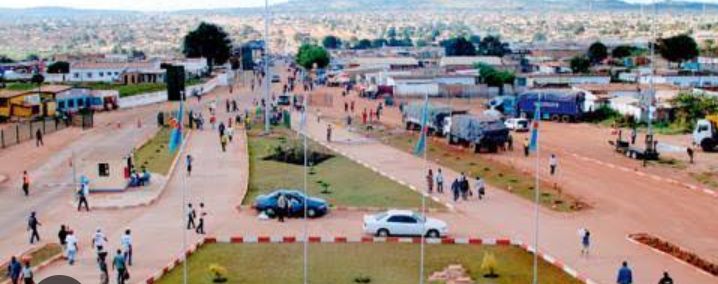
This information has been confirmed by local residents, who report that the women returned to the market known as Mwemezi, one of the major trading centers where commercial exchanges take place between residents of Baraka and surrounding areas.
The activity took place on Wednesday, when reports from Bibogobogo indicated that a number of Banyamulenge women arrived at the market, carried out their shopping, and later returned home safely—an occurrence that had not been seen for many years due to insecurity and alleged discrimination.
In a message shared with Minembwe Capital News, a resident of Bibogobogo stated:
“Banyamulenge women went to Baraka market on Wednesday and returned home safely. That is how things are now, my friend, and many of them went.”
Reports from the area indicate that the women mainly purchased essential household goods, including:
- Cassava flour
- Maize
- Various vegetables
- Other basic food supplies
For the residents of Bibogobogo, this development is seen as a potential step toward reviving trade relations and improving social interaction between communities that have long been separated by conflict, fear, and ethnically driven tensions.
Over the past five years, Banyamulenge residents of Bibogobogo say they were not allowed to access Baraka town or other markets in Fizi and Uvira due to security concerns and alleged discrimination.
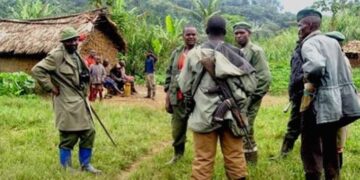
They claim that at the time they were given warnings by Wazalendo armed groups operating alongside FARDC forces and Burundian troops in the region, prohibiting them from visiting markets or areas inhabited by other communities, including the Babembe and Bafuliru.
There have also been long-standing reports from residents alleging that Banyamulenge have often been viewed as enemies or collaborators with armed groups. This perception, they say, has led to killings, arbitrary arrests, and the looting of cattle and other property whenever they attempted to move outside their local areas.
This development comes shortly after a visit to the area by Jacques Kongolo, one of President Félix Tshisekedi’s security advisors.
Although no official statement has been issued regarding the outcomes of that visit, many residents link it to efforts aimed at easing movement restrictions and improving living conditions for communities that have long complained of exclusion.
Observers of the region suggest that the ability of Banyamulenge women to reach Baraka and conduct business without obstruction may signal an attempt to reduce long-standing tensions between communities and armed actors in Fizi.
Bibogobogo is located in Fizi Territory, South Kivu Province. The area is controlled by FARDC forces in cooperation with Burundian troops and Wazalendo militias.
Although the area is under the authority of Kinshasa, Banyamulenge residents continue to report serious challenges related to security and freedom of movement.
To date, the area is not controlled by AFC/M23 or the MRDP-Twirwaneho movement, although these groups are frequently mentioned in discussions about security issues in eastern DRC.
Residents also report that they are sometimes attacked by Wazalendo elements, despite their cooperation with the forces responsible for securing the area. They further allege recurring cattle theft, particularly of cows, as well as continued restrictions on movement in surrounding areas.
The return of Banyamulenge women to Baraka market after five years can be interpreted in two main ways.
First, it may signal an effort to rebuild trust among communities and gradually restore movement that had been severely restricted due to insecurity.
Second, some observers argue that significant challenges remain before full freedom of movement can be achieved, especially given ongoing reports of attacks, cattle theft, and exclusion in the region.
For many Banyamulenge families, the fact that women were able to travel to Baraka and return safely is seen as a hopeful sign after years marked by fear, confinement to local areas, and limited access to markets and essential goods.
However, many residents emphasize that what is needed is not only the reopening of markets, but also the establishment of full security, equal rights for all communities, and an end to long-standing patterns of exclusion and hostility in the Fizi and Minembwe highlands.