
Burkina Faso Officially Suspends Diplomatic Relations with France
In a major decision that could further reshape diplomatic relations in West Africa, the Government of Burkina Faso has officially announced the suspension of diplomatic relations with France, effective June 26, 2026.
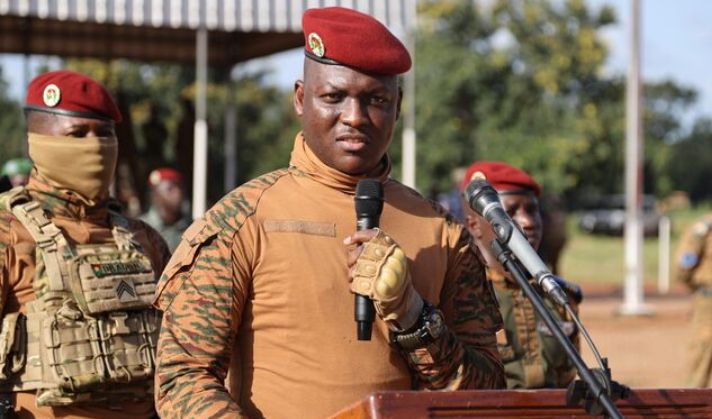
The decision was announced through an official statement broadcast on national television, in which the military-led government headed by Captain Ibrahim Traoré accused France of continuing to “interfere in the country’s internal affairs and support networks that undermine national security.”
The announcement follows several years of deteriorating relations between the two countries after Ibrahim Traoré seized power in a military coup in September 2022. Since then, Burkina Faso has adopted a policy centered on protecting its national sovereignty, strengthening political and security independence, and significantly reducing the influence of European countries—particularly France—in its domestic affairs.
According to the government statement, the suspension of diplomatic relations with France officially took effect on June 26, 2026. Authorities in Ouagadougou accused Paris of pursuing what they described as “neo-colonial practices” by allegedly supporting terrorist networks and armed groups responsible for instability in Burkina Faso and across the Sahel region.
Although the Burkinabe government emphasized that the decision applies only to official diplomatic relations between the two states, it also stressed that the measure is not intended to disrupt the longstanding cultural, historical, and people-to-people ties between the citizens of both countries.
Since assuming power, President Ibrahim Traoré has built his political image around the principles of self-reliance and the defense of Burkina Faso’s sovereignty. His administration expelled French military forces from the country and has prioritized new partnerships with African nations and other non-Western allies.
Together with Mali and Niger, Burkina Faso established the Alliance of Sahel States (AES), a regional bloc aimed at strengthening cooperation in security, economic development, and the protection of national sovereignty across the Sahel. The alliance has widely been viewed as an effort to reduce Western influence over regional political and security affairs.
Across many parts of Africa, Ibrahim Traoré is regarded by his supporters as one of the leaders promoting African independence and resisting what many describe as the legacy of neo-colonialism. Supporters argue that he represents a new generation of African leadership determined to make sovereign decisions without external interference.
On the other hand, several European countries have expressed concern over Burkina Faso’s political direction, particularly regarding political freedoms, human rights, and democratic governance. Relations between Ouagadougou and Paris have remained strained since French troops were asked to leave Burkina Faso, while several European Union member states continue to call for a transition back to civilian rule.
Nevertheless, President Traoré’s government maintains that external pressure or sanctions will not deter Burkina Faso from pursuing its chosen path of safeguarding national sovereignty and making independent decisions.
The suspension of diplomatic relations with France is expected to have significant implications for regional politics and international partnerships in West Africa. It also reinforces Burkina Faso’s broader strategy of seeking new international partners while reducing dependence on former colonial powers.
While President Ibrahim Traoré continues to gain popularity in many parts of Africa as a leader advocating for national sovereignty, European governments remain concerned about governance, human rights, and the continued rule of the military administration.
This decision marks another significant milestone that could further reshape Africa’s diplomatic landscape, as an increasing number of countries across the continent reassess their relationships with Western powers.