
The World Is Changing: China Begins Openly Challenging the United States
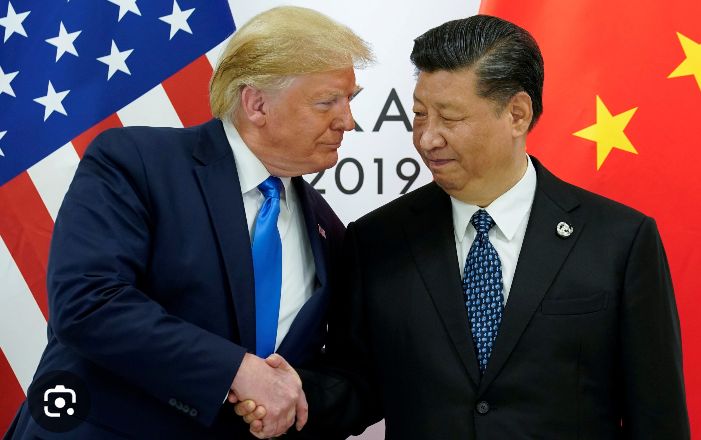
As the world continues to closely follow the growing rivalry between the United States and China, recent remarks made by President Donald Trump following his visit to Beijing have reignited intense debate in international diplomacy. These developments come at a time when China has also criticized a U.S.-backed resolution at the United Nations concerning the Strait of Hormuz, arguing that it could escalate tensions rather than help resolve them.
China stated that security issues in the Persian Gulf region should be addressed through diplomatic dialogue and efforts to reduce tensions among the countries involved, rather than through political pressure or military action. Beijing warned that the current approach adopted by the United States could place the world in a dangerous situation, particularly regarding the security of the Strait of Hormuz, a vital route through which a significant portion of the world’s oil supply passes.
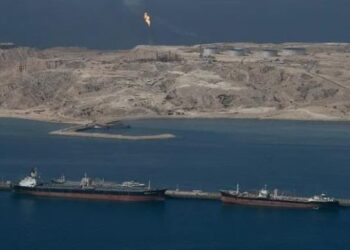
The Strait of Hormuz remains one of the most strategic waterways in global trade, serving as a major corridor for oil exports from the Middle East to international markets. The route has long been affected by tensions involving Iran, the United States, and other major powers with strategic interests in the region. China, as one of the world’s largest consumers of oil, has substantial interests in maintaining the security and stability of this route, which explains Beijing’s growing concern over Washington’s actions in the area.
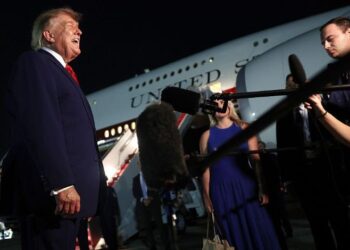
These developments are unfolding as Donald Trump made remarks that have generated uncertainty regarding America’s position on Taiwan. Trump described China as “a very large and powerful country,” while referring to Taiwan as “a very small island.” He further noted that Taiwan lies only 59 miles from China, whereas the United States is more than 9,500 miles away, arguing that this geographical reality makes defending Taiwan an extremely difficult challenge for Washington.
Trump’s comments immediately sparked widespread debate among politicians, diplomatic analysts, and international security experts. Some observers believe the remarks may signal a possible shift in America’s approach toward Taiwan, especially at a time when China’s military capabilities continue to expand at a remarkable pace.
For years, the United States has maintained that it could support Taiwan in the event of an attack by China, although Washington has rarely stated this position explicitly. America’s Taiwan policy has traditionally been based on what is known as “strategic ambiguity,” meaning the U.S. deliberately avoids clearly stating whether it would militarily intervene while preserving the ability to do so if necessary.
However, Trump’s remarks have led many to question whether the United States is beginning to recognize that confronting China over Taiwan could be far more costly and complex than previously anticipated. Some analysts argue that Washington increasingly understands that Beijing has achieved significant advances in military power, economic influence, and technological development, making any direct confrontation over Taiwan potentially catastrophic for global stability.
On China’s side, Beijing continues to regard Taiwan as part of its territory and insists that it will do everything necessary to bring the island under its control. President Xi Jinping has repeatedly emphasized that the “reunification of Taiwan with China” remains one of his country’s core national objectives.
China has also intensified military activities around Taiwan, including deploying fighter jets and naval vessels in the waters surrounding the island. These operations continue to raise concerns among Western nations, particularly the United States and its allies such as Japan and Australia.
Some analysts believe Trump’s statements may represent an attempt to ease tensions between Washington and Beijing, especially at a time when the global economy is facing serious challenges, including trade disruptions, oil market instability, and ongoing economic competition among major powers.
Others, however, argue that such remarks could encourage China to believe that the United States may be unwilling to engage in a direct military conflict over Taiwan. This perception, they warn, could embolden Beijing to increase both military and diplomatic pressure on the island.
For now, the world continues to closely monitor how the United States and China manage these two major issues: the Strait of Hormuz and the Taiwan question. Many analysts agree that the relationship between these two superpowers will remain a defining factor in global security and economic stability in the years ahead.