
Col. Rugabo Speaks on Burundian Troops, FDLR and FARDC, Urges the International Community Not to Ignore the Suffering of Banyamulenge Civilians
As insecurity continues to escalate in the highlands of Mulenge, Minembwe and other parts of South Kivu Province in the Democratic Republic of Congo (DRC), the leadership of MRDP-Twirwaneho has continued to express concern over the plight of Kinyamulenge-speaking (Kinyarwanda-speaking) communities, whom they say remain under attack from armed groups operating alongside government forces.
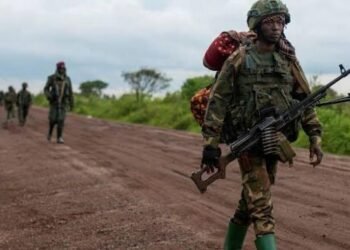
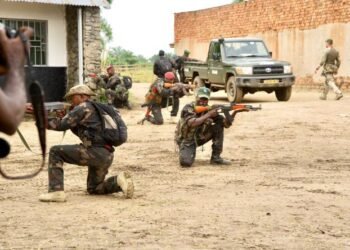
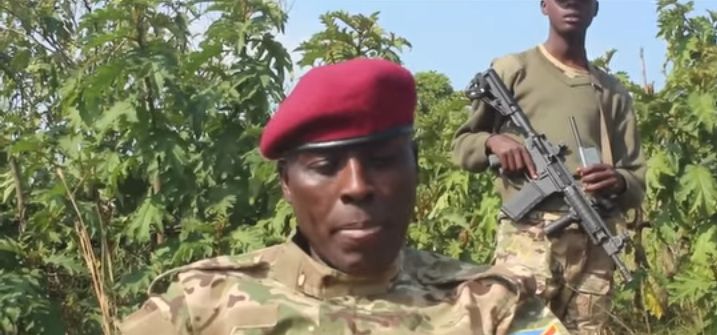
In an interview, Colonel Rugabo Fidel, one of the leaders of MRDP-Twirwaneho, stated that information available to the movement indicates that approximately 9,000 Burundian troops have been deployed in and around Minembwe. According to him, these forces are conducting military operations alongside the Armed Forces of the Democratic Republic of Congo (FARDC), FDLR fighters, and Wazalendo militias.
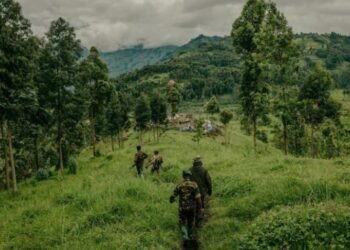
Colonel Rugabo said that military operations involving these forces have frequently been reported in areas inhabited by Banyamulenge civilians, a situation he argues has forced many residents to flee their homes while others continue to live in isolation and fear.
The security crisis affecting Minembwe, Bijombo, Uvira, Fizi and Mwenga is not new. For more than two decades, the region has been plagued by numerous armed groups, conflicts related to land ownership, citizenship and ethnic tensions, as well as the consequences of successive wars that have affected eastern Congo.
Banyamulenge communities have long reported attacks on their villages, killings of civilians, livestock theft and the destruction of property. On the other hand, various armed groups and some Congolese officials have accused armed factions operating in these areas of contributing to insecurity and maintaining ties with other regional armed movements.
These competing claims have made the Minembwe crisis one of the most complex and controversial security issues at both regional and international levels.
According to Colonel Rugabo Fidel, Burundian forces are currently engaged in large-scale military operations across the highlands of Minembwe. He argues that although Bujumbura maintains that its troops were deployed to the DRC to combat groups considered a threat to Burundi’s security, including RED-Tabara, the military activities taking place in Banyamulenge-populated areas raise serious concerns.
MRDP-Twirwaneho says many residents question why military operations continue to be concentrated in civilian-populated areas while the armed groups being targeted are reportedly located elsewhere.
For its part, the Burundian government continues to maintain that its operations are part of military cooperation between Gitega and Kinshasa aimed at combating Burundian rebel groups operating from Congolese territory.
Among the points emphasized by Colonel Rugabo Fidel is the allegation that military operations are being conducted jointly by FARDC, FDLR, Wazalendo militias and Burundian forces.
FDLR is an armed group that has long been accused of destabilizing security in the Great Lakes region. Rwanda has consistently described it as a group composed of individuals involved in the 1994 Genocide against the Tutsi and their descendants.
MRDP-Twirwaneho alleges that this cooperation has resulted in attacks against civilians, looting of property, confiscation of livestock and the forced displacement of large numbers of residents.
Similar allegations have been raised by some community organizations in the region, although different parties continue to offer conflicting accounts regarding the nature and circumstances of the fighting.
Residents of the Minembwe highlands say that security and humanitarian assistance remain their most pressing concerns.
Reports continue to indicate that many villages remain inaccessible to basic humanitarian support, including food, medicine and other essential services needed for daily life.
Observers note that whenever conflict persists, civilians bear the heaviest burden, particularly women, children and the elderly.
One of the issues most frequently raised by local residents is what they describe as a lack of sufficient attention from the international community.
Many question why allegations involving civilian killings, property destruction and other reported abuses in Minembwe do not receive the same level of international attention as other crises in the region.
Several analysts argue that establishing the truth about events in Minembwe requires an independent investigation conducted by international institutions with the capacity to assess information from all parties involved in the conflict.
While different actors continue to exchange accusations regarding the conflict, there is broad agreement that civilians must be protected and should never be used as instruments of war.
Residents of Minembwe, human rights organizations and regional security analysts continue to call for an end to hostilities, the protection of civilians and the pursuit of a sustainable political solution to the longstanding challenges facing South Kivu.
As all sides continue to present differing narratives about the situation in Minembwe, it remains evident that insecurity and humanitarian suffering continue to weigh heavily on local populations. At the same time, the international community and regional organizations are increasingly being urged to play a more active role in supporting efforts to achieve lasting peace in a region that has endured decades of conflict.
Minembwe Capital News continues to monitor developments closely and gather information from various sources to provide readers with a comprehensive, balanced and fact-based understanding of this complex situation.