
Major Victory in Minembwe: MRDP-Twirwaneho Claims Capture of “Point Zero,” as Banyamulenge Community Expresses Joy
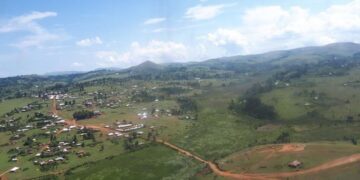
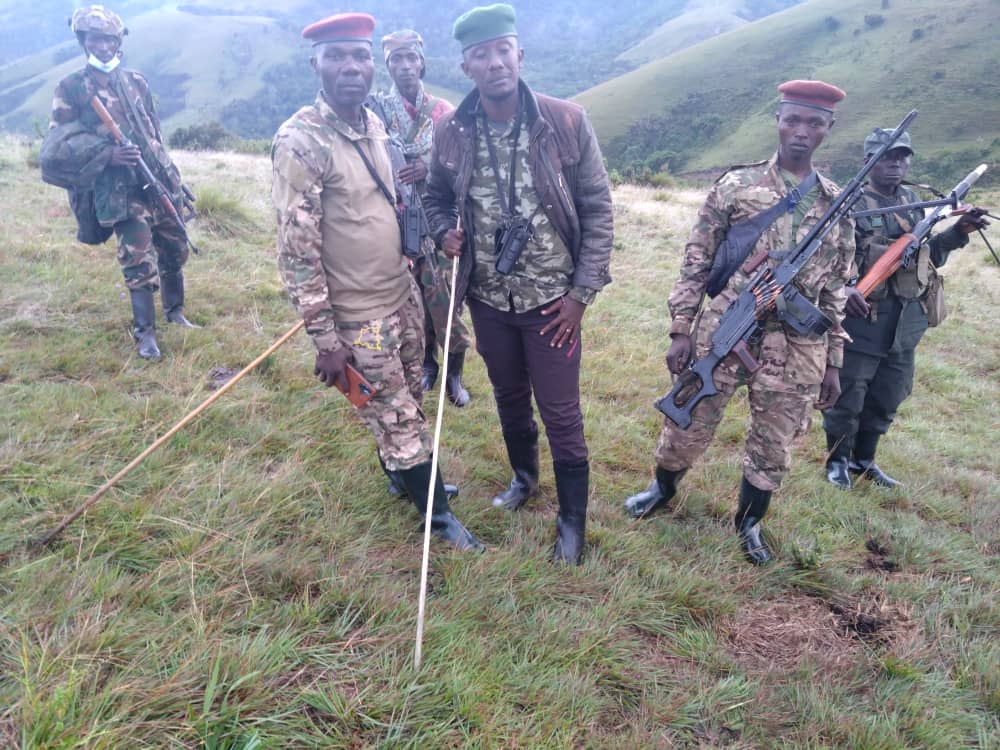
Ongoing clashes in the hills of Minembwe and surrounding areas bordering Fizi Territory have intensified after the MRDP-Twirwaneho movement announced that it had seized control of an area known as Point Zero, described as one of the key strongholds of the Armed Forces of the Democratic Republic of Congo (FARDC), allegedly supported by Burundian troops, Wazalendo fighters, and the FDLR.
According to information gathered by Minembwe Capital News, FARDC and its allied forces reportedly began gradually retreating from their positions since the previous day, before MRDP-Twirwaneho later announced that it had fully taken control of Point Zero.
These claims were also confirmed in a statement issued by the spokesperson of MRDP-Twirwaneho on Saturday morning, 04/07/2026, in which he said:
“Twabohoje Point Zero na Muruta bidasubirwaho.”
In addition to Point Zero, the group also claimed to have captured other locations, including Bicumbi and Mutunda, following hours of heavy fighting in surrounding areas. These developments reportedly forced FARDC and its allies to withdraw from their positions.
Reports obtained by Minembwe Capital News indicate that after the clashes, some FARDC soldiers and their allied forces retreated toward Bibogobogo, while others reportedly fled toward Mulima and Rusuku, heading in the direction of Fizi Centre.
These developments come at a time when MRDP-Twirwaneho is said to be expanding its influence across the Minembwe highlands. Earlier this week, the group claimed to have taken control of several areas, including Mikenke, Bilalombili, Ngezi, Murusirita, and Rwitsankuku, among others, allegedly dislodging Burundian troops, FARDC, Wazalendo fighters, and FDLR elements from those positions.
On social media, supporters and members affiliated with MRDP-Twirwaneho have continued to express messages celebrating the reported gains, describing them as a significant step in what they refer to as a struggle to protect the Banyamulenge population.