
Rising Death Toll in Ethnic Clashes in Chad
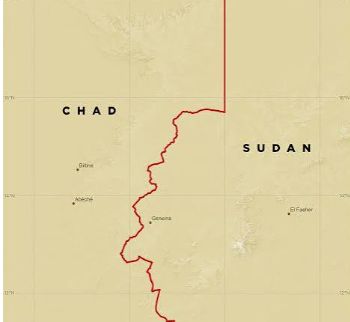
In eastern Chad, particularly in Wadi Fira Province, serious ethnic clashes have once again erupted, claiming several lives and leaving many others injured. The latest violence broke out in the Guereda area following disputes over the use of a water source, which quickly escalated into violent confrontations among local communities.
According to government officials who visited the scene, the clashes initially began as a simple disagreement over access to a shared well. However, the situation rapidly deteriorated into armed confrontations between different groups. The government responded by deploying senior officials, including ministers and military leaders, to assess the situation and restore order.
Limane Mahamat, the Deputy Prime Minister in charge of Governance and Local Administration, stated that security has been restored in the area, although authorities remain cautious to prevent any renewed outbreak of violence.
These incidents are not new in the region. For many years, eastern Chad has been marked by recurrent conflicts between farmers and herders, particularly Arab pastoralists who migrate across different areas in search of pasture and water.
The main drivers of these conflicts include:
- Limited access to land and water resources: farmers require land for cultivation, while herders depend on pasture and water for livestock;
- Climate change: which reduces fertile land and intensifies competition between the two groups;
- Weak enforcement of land-use laws: leading to unclear and contested resource rights.
The situation has been further exacerbated by the presence of large numbers of refugees fleeing conflict in Sudan, increasing pressure on already scarce natural resources and heightening tensions between communities.
Although these incidents are often described as ethnic conflicts, they are, in reality, largely driven by economic and livelihood-related interests:
- Farmers are fighting for arable land to sustain their livelihoods;
- Herders are competing for grazing routes and water sources;
- Both groups are essentially struggling for survival and economic security.
Various reports, including those from international organizations, indicate that these conflicts intensified between 2021 and 2024:
- More than 1,000 people have been killed;
- Over 2,000 have been injured;
- Many others have been displaced, becoming internally displaced persons.
This demonstrates that the crisis is long-standing and continues to worsen rather than improve.
Although the Chadian authorities claim that security has been restored in Guereda, concerns remain high. This is mainly because the root causes of the conflict have not yet been fully addressed, particularly issues related to land management, water access, and farmer–herder relations.
Addressing the situation will require:
- A strong policy framework to reduce resource-based conflicts;
- The establishment of cooperative mechanisms between conflicting groups;
- Support for displaced populations and reduction of pressure on natural resources.
Until these measures are effectively implemented, eastern Chad may continue to experience recurring violence, undermining both regional stability and development.