
The United States has denied claims made by the Democratic Republic of the Congo (DRC) regarding “Mining Guards,” as natural resources continue to be a source of conflict and widespread poverty among the population.
The United States Embassy in Kinshasa, in the Democratic Republic of the Congo (DRC), has rejected reports alleging that the U.S. supported a proposal to establish a special security force tasked with protecting the country’s mineral resources.
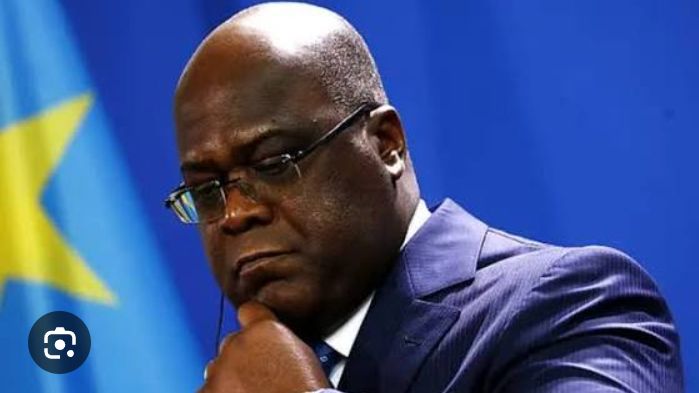
On April 27, 2026, a plan was announced to create a unit known as “Mining Guards,” intended to secure mining sites rich in strategic minerals such as coltan, cobalt, gold, and others that are highly valuable on the international market. The announcement was made by Rafael Kabengele, head of the General Inspectorate of Mines (IGM), who stated that the initiative originated from President Félix Tshisekedi.
According to the announcement, the proposed force would consist of approximately 20,000 personnel and operate with a budget of around $100 million. It was also suggested that the project was linked to what was described as a “strategic” partnership between the DRC, the United States, and the United Arab Emirates.
However, just one day after the announcement, the U.S. Embassy in Kinshasa issued a statement firmly denying any involvement in the initiative. It emphasized that the United States is not supporting the creation of any private or specialized force responsible for securing or managing mining operations in the DRC.
The Embassy further clarified that cooperation between the United States and the DRC is focused on promoting economic growth, stability, and sustainable development. It stated that existing agreements aim to lay the groundwork for increased investment, particularly in the mining sector, with an emphasis on transparency and shared benefits.
The Democratic Republic of the Congo is one of the most resource-rich countries in the world, especially in minerals critical to modern technology, such as cobalt and coltan. Despite this wealth, the way these resources are exploited continues to draw criticism from international experts and human rights organizations.
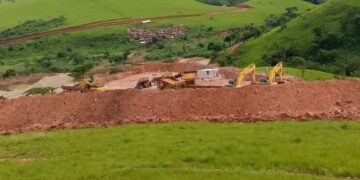
In practice, mining in the DRC is carried out through two main systems: industrial mining, conducted by large international corporations under agreements with the government in Kinshasa, and artisanal mining, carried out by local populations, often informally and under unsafe conditions.
International companies—including American, Chinese, and European firms—play a major role in the extraction of minerals, particularly in the Katanga region (Haut-Katanga and Lualaba), where much of the world’s cobalt used in electric vehicle batteries and modern technologies is produced.
Although these resources generate billions of dollars on the global market, most of the profits benefit multinational corporations and political elites, while communities living near mining sites continue to face extreme poverty. Infrastructure remains underdeveloped, basic services are limited, and much of the work is performed under hazardous conditions.
In eastern DRC, particularly in North and South Kivu provinces, insecurity continues to escalate as armed groups compete for control of mineral-rich areas.
These groups often use mineral revenues to finance weapons and sustain conflict, forcing civilians to flee repeatedly. Hundreds of thousands of people have been displaced, many living in dire conditions in refugee and internally displaced persons (IDP) camps.
This situation highlights a stark contrast between the country’s vast natural wealth and the living conditions of its people. While international actors continue to invest in the mining sector, local populations often remain deprived of peace, rights, and the benefits of these natural resources.
Despite ongoing discussions and agreements aimed at improving governance in the mining sector, concerns persist regarding transparency, revenue management, and community participation.
Experts argue that for the DRC’s natural resources to truly benefit its citizens, several measures are necessary:
- Establishing strong legal frameworks that protect national and public interests
- Strengthening oversight of international agreements
- Combating corruption and resource mismanagement
- Investing in social development, including education, healthcare, and infrastructure
Without concrete implementation of these reforms, the DRC risks remaining a country rich in resources but poor in terms of the well-being of its population, while external actors continue to reap the benefits.