
AFC/M23 Continues to Gain Ground Against FARDC and Its Allies as Fighting Escalates in Masisi and Minembwe
In the eastern Democratic Republic of Congo (DRC), the ongoing conflict between the Alliance Fleuve Congo (AFC/M23) coalition and the national army (FARDC), supported by Wazalendo militias, the FDLR, and Burundian forces, continues to intensify. Both sides remain engaged in clashes across various areas of North and South Kivu.
Recent reports from the frontlines indicate that AFC/M23 continues to demonstrate battlefield strength, recapturing and consolidating control over several positions. On the other hand, the government coalition continues its efforts to push back the armed group through coordinated operations with allied militias.
Heavy Fighting in Masisi: Gasake, Kinigi, and Kaniro Shape the Battlefield
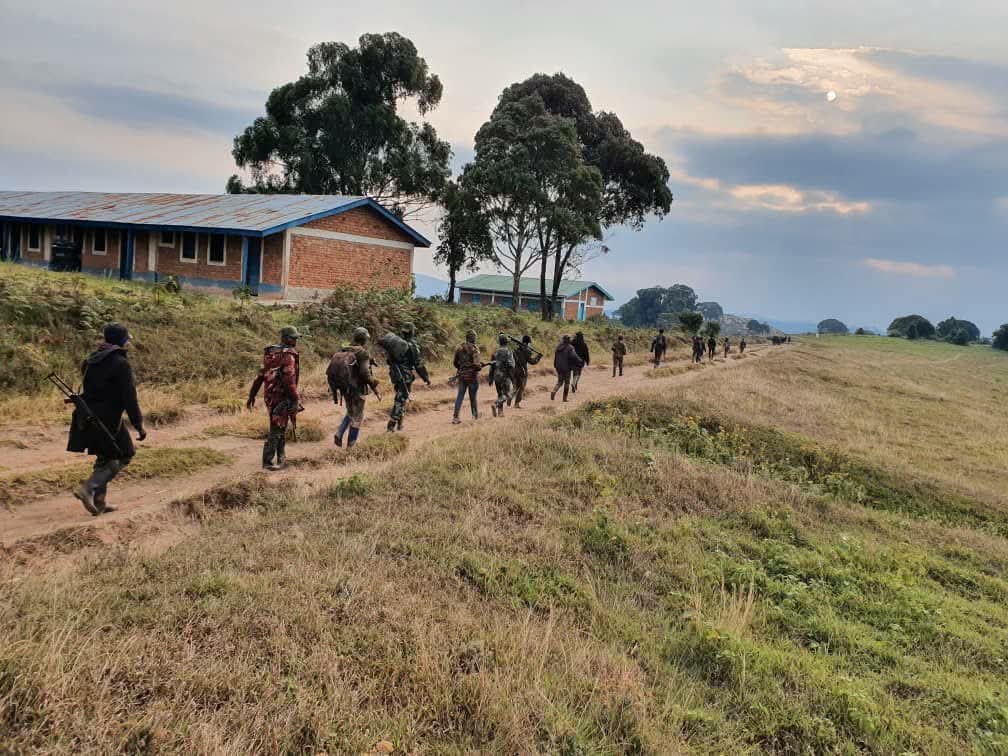
On May 21, 2026, intense fighting was reported in Masisi territory, particularly in the areas of Gasake, Kinigi, and Kaniro. Information from local residents and monitoring sources indicates that the clashes lasted the entire day, with both sides deploying heavy and light weaponry.
It is reported that AFC/M23 managed to regain control of some of these areas after hours of intense fighting, while FARDC and its allies had earlier claimed to have secured them before renewed hostilities broke out.
This situation created confusion among residents, some of whom had begun returning to their homes following a brief period of relative calm, only to flee again into safer zones and nearby forests due to renewed insecurity.
In the Katoyi area, government military sources stated that FARDC, in coordination with Wazalendo forces, had taken control of Katoyi center as well as surrounding localities including Luke and Kasenyi. However, reports later indicated that AFC/M23 subsequently regained control over these positions.
Despite the conflicting claims, residents report that the fighting was marked by heavy gunfire and artillery exchanges, forcing many civilians to flee or hide wherever possible in order to protect their lives.
Fighting in Minembwe: Drone Warfare Reshapes the Conflict
In South Kivu, particularly in Minembwe and surrounding areas of Mwenga territory, ongoing clashes are increasingly characterized by the use of drone technology, significantly altering the nature of the conflict in the region.
Reports indicate that unidentified drones—alleged by the FARDC to belong to AFC/M23—carried out attacks on positions held by government forces and their allies in the areas of Mikenke and Point Zero, causing significant damage.
Images circulating on social media reportedly show soldiers lying on the ground and damaged structures, further fueling concerns about the growing intensity and modernization of the conflict.
In an official statement, FARDC claimed that the drone attacks on its positions are being conducted by the AFC/M23 coalition, allegedly supported by regional actors, and that such actions are undermining civilian security.
The FARDC further stated that it is continuing military operations aimed at “restoring national sovereignty and retaking all occupied territories.”
Impact on Civilians and Daily Life
Despite claims of battlefield gains by both sides, civilians continue to bear the brunt of the conflict, facing displacement, lack of shelter, destruction of infrastructure, and the suspension of education and healthcare services in many affected areas.
Observers of the conflict note that:
- The use of drones and advanced weaponry is escalating the intensity of the fighting
- Civilians continue to be the primary victims of the prolonged conflict
Uncertain Prospects for Peace
As fighting continues to escalate in Masisi, Minembwe, and other parts of Kivu, both local communities and the international community are increasingly questioning whether diplomatic negotiations can restore hope for lasting peace.
For now, the situation remains highly volatile, with each side accusing the other of prolonging the war, while civilians continue to endure worsening insecurity and humanitarian hardship.