
In Kinshasa, a Leader Has Highlighted What Could Restore Lasting Peace and Security in the DRC
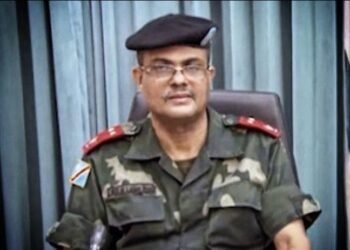
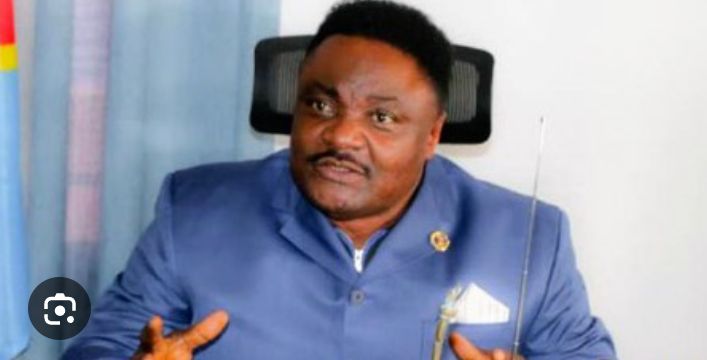
In a context where the Democratic Republic of Congo continues to face serious security challenges, political divisions, and an economy that struggles to deliver benefits to its population, Joseph Olenghankoy, President of the National Council for the Follow-up of the Peace Agreement (CNSA), has raised serious concerns about the country’s trajectory, warning of a situation that could threaten national cohesion and stability.
In a message addressed to Congolese citizens from Kinshasa on 19/05/2026, Olenghankoy stated that the country is increasingly being affected by hate speech, intimidation, and rhetoric encouraging violence and conflict along ethnic or political lines. He noted that social media platforms are being used to circulate images and messages capable of inciting conflict among Congolese citizens themselves, a situation he said seriously undermines national unity and security.
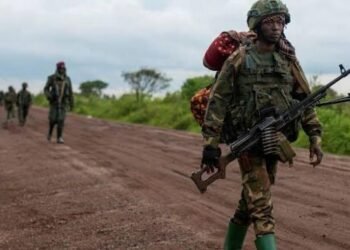
The politician emphasized that the country is going through a particularly critical period, as these tensions are compounded by ongoing conflict in eastern Congo, where the AFC/M23 coalition continues to clash with the national army (FARDC) and allied armed groups. He also highlighted the persistent insecurity linked to the Mobondo phenomenon around Kinshasa, ongoing instability in parts of Greater Katanga, and rising urban crime in the capital, particularly involving gangs known as Kuluna.
Joseph Olenghankoy further argued that one of the main factors worsening the political climate in Congo is the ongoing debate surrounding constitutional reform. He stated that much of the political discourse has become focused on this issue, to the extent that some leaders are increasingly neglecting the country’s urgent priorities.
He said: “Such debates, while the country is facing war and major challenges, risk deepening divisions among citizens rather than building the nation.” He reminded stakeholders that the DRC urgently needs to rebuild national unity and prioritize security over short-term political interests.
Olenghankoy called on President Félix Tshisekedi to exercise the powers granted to him under the Constitution, particularly Article 69, in order to prevent the country from descending into deeper crisis. The CNSA stressed the need for urgent measures to extinguish what it described as a “smoldering fire” before it escalates beyond control.
Among the key recommendations made by the CNSA are:
- Ending all discourse that fuels national division
- Investigating and prosecuting individuals spreading hate speech and incitement to violence
- Strengthening national unity among Congolese citizens
- Launching inclusive political dialogue involving all stakeholders
- Allowing political exiles to return safely
- Reviewing cases of individuals detained for political reasons
- Reducing tensions between the government and opposition groups
The CNSA also criticized the security and judicial institutions, stating that citizens are increasingly viewing them as either ineffective or biased in addressing acts of violence committed by certain politically affiliated groups.
Although the DRC is one of the most resource-rich countries in Africa and the world—rich in gold, coltan, cobalt, diamonds, lithium, and other highly demanded minerals—most of its population continues to live in extreme poverty.
Political analysts argue that the core issue is not the lack of resources, but rather governance challenges, corruption, political divisions, and long-standing insecurity in the eastern part of the country.
To ensure the DRC stabilizes and emerges as a strong and prosperous nation, several key priorities are necessary, including:
- National Unity
Congolese citizens are urged to prioritize national interests over ethnic or political affiliations. Identity-based politics and hate-driven narratives continue to undermine national cohesion.
Many analysts believe the country needs inclusive dialogue involving the government, opposition, civil society, and armed groups with political grievances in order to establish a shared national roadmap.
- Combating Corruption and Improving Governance
The DRC continues to lose billions of dollars due to corruption and the mismanagement of natural resources. Without strong, independent judicial institutions and effective anti-corruption mechanisms, national wealth cannot benefit the population. - Strengthening National Security
Ongoing conflicts in eastern Congo continue to hinder development. The state requires a strong, professional, and respected army capable of defending national sovereignty, rather than relying heavily on armed groups or external support. - Developing Industry and the Economy
Despite its vast mineral wealth, the DRC still exports most of its resources in raw form. Developing local processing industries would create jobs for young people and significantly boost the national economy.
At present, the political environment in Kinshasa remains tense due to mistrust between the government and the opposition, worsening security conditions, and increasing public pressure driven by deteriorating living standards.
Joseph Olenghankoy’s statement reflects growing concerns that the country could face an even deeper crisis if urgent political restraint and reconciliation measures are not implemented.
As the DRC prepares to mark 66 years of independence, many are questioning whether its leaders will be able to prioritize national interest over political rivalry, while citizens continue to call for peace, security, and sustainable development.