
Clashes in Gakenke After the Ndayishimiye–Tshisekedi Meeting: How Insecurity Continues to Escalate in Eastern DRC
Following the visit of Burundi’s President Évariste Ndayishimiye to the Democratic Republic of Congo (DRC), where he was received and held talks with President Félix Tshisekedi on 22/06/2026 in Kinshasa, reports indicate a possible increase in military activity in eastern Congo, particularly in South Kivu Province and the highlands of Minembwe.
The meeting between the two heads of state reportedly focused on assessing the security situation in the Fizi and Uvira areas, as well as other regions where clashes between the Congolese army and armed groups continue to take place.
Information reported by various media outlets suggests that the two leaders reviewed military operations conducted since the beginning of 2026 and agreed on strengthening forces engaged in restoring security.
Among the reported decisions were:
- Strengthening the capacity of the army and its equipment
- Increasing the use of drone technology
- Reinforcing intelligence mechanisms to reduce attacks and the impact of conflict
There are also reports indicating that measures related to restricting the movement of armed groups in certain parts of South Kivu may have been considered.
Additionally, circulating reports suggest that plans may be evaluated concerning certain infrastructure considered strategically important for military operations, including Minembwe Airport. However, this has not been officially confirmed or endorsed by all concerned parties.
On the other hand, fighting in eastern DRC continues to intensify, with the Twirwaneho movement, allied with M23, claiming to have taken control of several areas including Gakenge, Lundu, Bidegu, Kalingi, Rubemba, and Gitavi, following heavy clashes it says involved the Congolese Armed Forces (FARDC) and their partners, including Burundian troops, Wazalendo militias, and the FDLR.
However, FARDC and its allies have not confirmed these reports uniformly, stating instead that operations to restore security are ongoing. On Tuesday, the coalition forces of the Democratic Republic of Congo reportedly launched attacks in areas inhabited by the Banyamulenge, including Gakenke. The MRDP-Twirwaneho movement claims it repelled these attacks, stating:
“Indeed, FARDC and its allies were defeated in the past hours. We are now in full control of Gakenke. This comes after early morning attacks launched by the FARDC coalition on Tuesday.”
Various non-governmental organizations operating in the region report that civilians continue to suffer severely from the ongoing clashes. They indicate that:
- Many houses have been destroyed
- Infrastructure, including schools and hospitals, has been damaged
- Several civilians have been killed or injured in the fighting
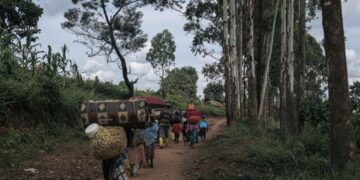
- Many residents have been displaced, becoming internally displaced persons
In some areas of Minembwe and Lundu, continued tensions have been reported, including allegations of house burnings. It is claimed that these were carried out by FARDC and its allies, including Burundian forces, Wazalendo militias, and the FDLR.
These claims are also supported by the Alliance Fleuve Congo (AFC/M23), which states that similar acts of burning civilian homes were carried out by opposing forces in the Lumibishi area of Kalehe Territory in South Kivu.
Reports from various sources further suggest that the Burundian military plays a significant role in operations in eastern Congo, with claims that between 2022 and the end of 2025, thousands of Burundian soldiers were deployed to assist FARDC in operations against armed groups.
However, all these issues remain subject to diplomatic and media disputes, as the involved parties often do not publicly confirm them in a consistent manner.
Overall, President Ndayishimiye’s visit to the DRC could have significant implications for security in the region, particularly in South Kivu and Minembwe. However, much of the information remains at the level of reports and allegations, requiring further in-depth analysis from different stakeholders to establish a clearer understanding of the ongoing clashes and the reported military cooperation.