
DRC: Marco Rubio’s Remarks Spark Fresh Debate; Why Does the United States Continue to Speak of “Rwandan Troops” While Overlooking the Banyamulenge Crisis and FARDC-FDLR Cooperation?
Recent remarks by U.S. Secretary of State Marco Rubio, stating that Washington hopes that “Rwandan troops in the Democratic Republic of the Congo will have begun withdrawing by next month,” have reignited longstanding debate over how the United States views the security crisis in eastern Congo.
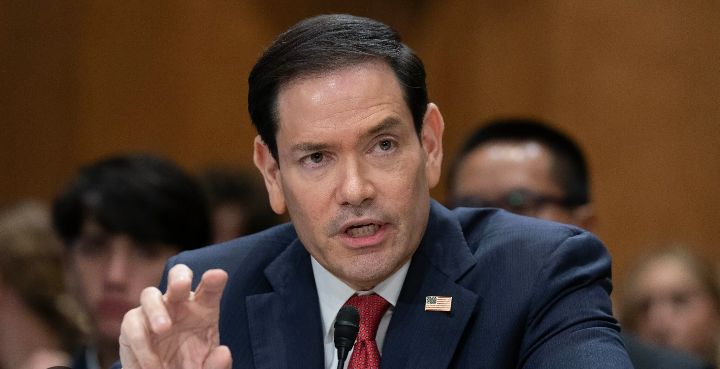
Rubio made the comments before the U.S. Senate Foreign Relations Committee, where he stated that progress had been made in implementing peace agreements between Kigali and Kinshasa. He further noted that Washington sees signs that Rwanda is beginning to comply with commitments made under those agreements.
However, these remarks have once again raised a question that has remained controversial for years: Does Rwanda actually have troops inside the DRC?
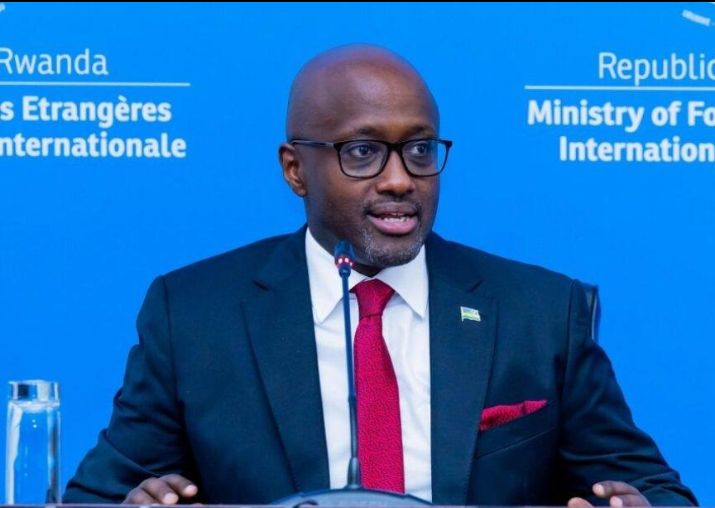
Since the resurgence of the Alliance Fleuve Congo (AFC/M23) rebellion in eastern Congo, the Rwandan government has consistently and firmly denied allegations that it has deployed troops on Congolese territory.
Kigali has repeatedly maintained that it has no troops operating in the DRC and argues that the measures it has taken are intended to strengthen security along its borders due to the activities of hostile armed groups, including the Democratic Forces for the Liberation of Rwanda (FDLR), a group founded by individuals implicated in the 1994 Genocide against the Tutsi.
On several occasions, Rwandan officials have argued that the central issue is not Rwanda itself, but rather the continued presence of the FDLR and its alleged cooperation with the Congolese army (FARDC), concerns that have also been referenced in various reports by international organizations.
It is within this context that Marco Rubio’s comments have been interpreted by some observers as accepting Kinshasa’s allegations as fact, despite Kigali’s continued rejection of such claims.
Observers closely following the conflict continue to question why the United States appears willing to exert pressure on Rwanda and the AFC/M23 movement while showing less determination in addressing other long-standing issues affecting civilians in eastern Congo.
For more than a decade, numerous Banyamulenge organizations have appealed to the international community, alleging that their communities have been targeted by armed groups operating alongside or in cooperation with FARDC. These groups reportedly include Wazalendo militias, the FDLR, and Burundian troops deployed to the DRC under military cooperation agreements between Gitega and Kinshasa.
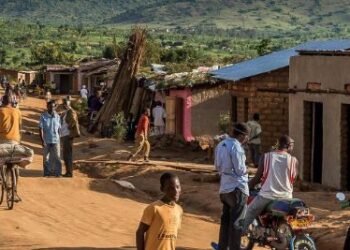
In areas such as Minembwe, Bijombo, Mikenge, Rurambo, and other localities within the territories of Fizi and Uvira, residents report incidents of killings, looting, the burning of villages, and large-scale cattle theft, problems that remain unresolved.
Organizations advocating for Banyamulenge interests claim that more than 500,000 head of cattle have been stolen from Banyamulenge communities in recent years during attacks carried out by armed groups operating in the Hauts-Plateaux region of Minembwe.
These livestock represented the primary source of livelihood for many families in the region. To date, no concrete plan has been announced by the government in Kinshasa to recover the stolen cattle or hold those responsible accountable.
Many residents continue to question why such issues receive limited attention in international discussions, while the AFC/M23 conflict remains the dominant focus of major diplomatic forums and international media coverage.
Another issue that continues to generate concern is the alleged cooperation between FARDC and armed groups such as the FDLR and Wazalendo militias.
Various reports by United Nations experts and other international organizations have pointed to instances of cooperation between these actors in military operations against AFC/M23.
However, some analysts argue that the United States and other Western countries have not devoted the same level of attention or condemnation to these allegations as they have to accusations directed at Rwanda or AFC/M23.
This perception has led some observers to conclude that the Congolese crisis is often assessed through the lens of political and economic interests, where the rights and suffering of certain communities appear to receive less consideration than those of others.
Although the United States has expressed optimism that the agreements signed between Kigali and Kinshasa will yield positive results, many experts contend that lasting peace cannot be achieved unless the root causes of the conflict are addressed.
These include the security concerns of Congolese Kinyarwanda-speaking communities, the continued presence of the FDLR, ethnic discrimination, disputes over land rights, and the proliferation of armed groups operating throughout eastern Congo.
Analysts following the conflict argue that genuine peace will require the international community to address all dimensions of the crisis impartially rather than focusing primarily on one side of the conflict.
While Washington continues to express confidence in the ongoing peace process, residents of the highlands of Minembwe, Bijombo, and Mikenge maintain that what is needed above all else is security, justice, and equal rights for all citizens, regardless of their ethnicity or origin.