

From Luanda, Tshisekedi Delivers Strong Remarks on the War in Eastern DRC: Full Report
MINEMBWE CAPITAL NEWS (MCN)
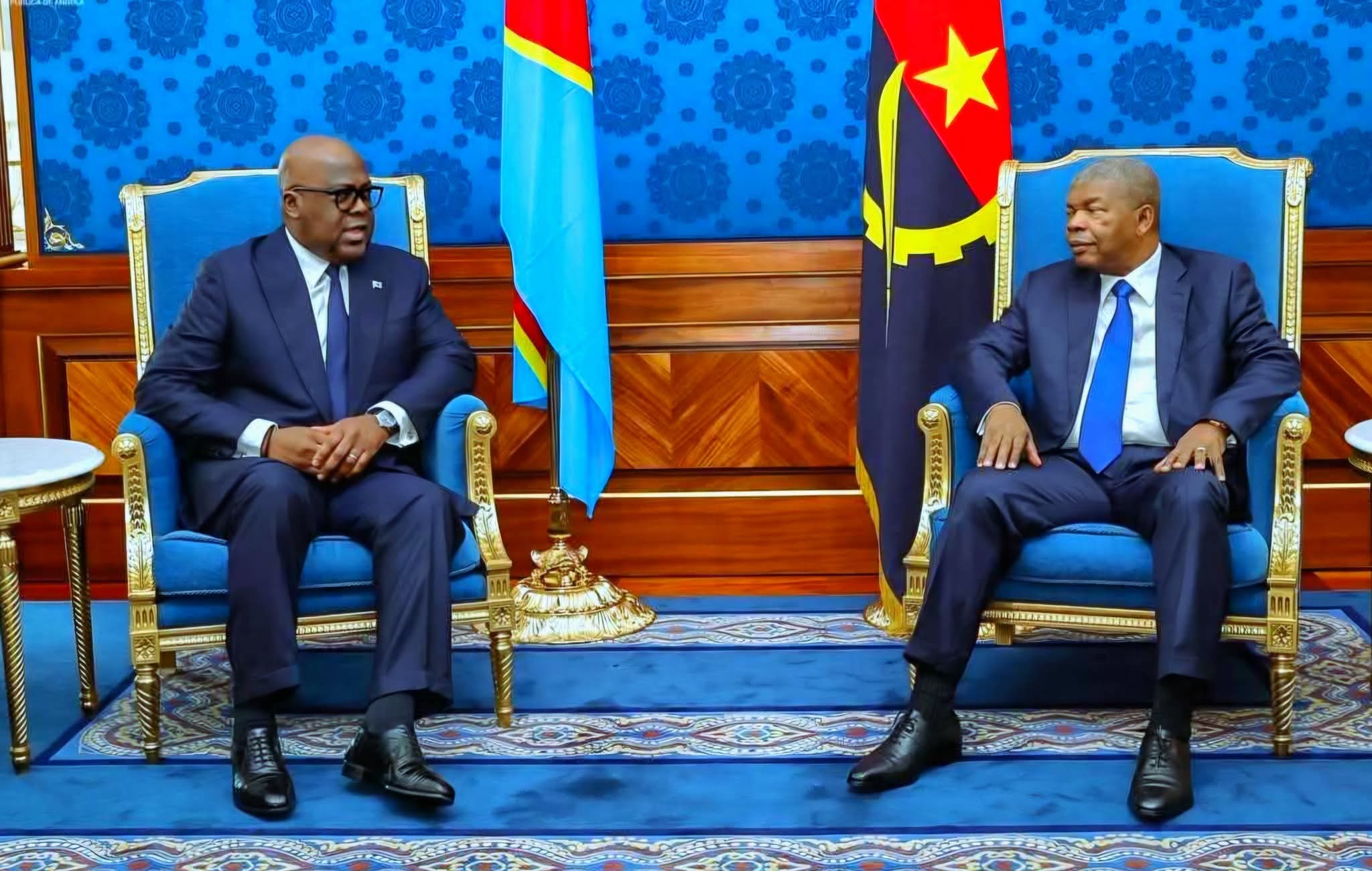
LUANDA, ANGOLA – During the Third International Conference titled “A Call for Peace, an End to Wars, and Respect for International Law,” held in Luanda from Thursday, July 16, to Friday, July 17, 2026, President Félix Antoine Tshisekedi Tshilombo of the Democratic Republic of the Congo (DRC) once again called on the international community to intensify efforts in addressing the security challenges that continue to destabilize Africa and undermine respect for international law.
The conference, jointly organized by the United Nations Alliance of Civilizations (UNAOC) and the Government of Angola, brought together heads of state, leaders of international organizations, religious authorities, youth representatives, experts, civil society organizations, and other stakeholders. The gathering aimed to strengthen dialogue, reconciliation, sustainable peace, and adherence to international law.
In his address, President Tshisekedi stated that the security crisis that has persisted in eastern DRC for more than three decades should no longer be viewed as merely a national issue, but rather as a major challenge to international peace and security.
He stressed that peace cannot prevail where the rule of law is replaced by armed force, where armed groups are used to advance the political interests of foreign states, where impunity continues to be tolerated, and where natural resources are exploited to sustain conflict instead of improving the lives of local communities.
The Congolese President urged countries and international organizations not only to witness the suffering endured by civilians but also to take concrete measures to protect civilian populations and uphold international law.
In his message, Félix Tshisekedi emphasized that the time has come to stop treating war as a normal reality.
He argued that the international community should move beyond verbal condemnations of conflicts, insisting that peace can only be preserved through concrete action, justice, and accountability for those responsible for crimes. He further stressed that whenever peace is threatened, the response must be clear, decisive, and effective.
The Kinshasa government reiterated its longstanding accusations that Rwanda supports the AFC/M23 rebel movement—allegations that Rwanda has consistently denied.
President Tshisekedi also noted that Luanda was a particularly meaningful venue for the conference, highlighting Angola’s own history of emerging from a prolonged civil war to achieve national reconciliation and reconstruction. He praised Angola’s continued role as a mediator in regional peace initiatives.
He further commended Angolan President João Lourenço and the Government of Angola for their sustained efforts to facilitate dialogue and reduce tensions in the Great Lakes region, describing Angola as a key partner in the search for lasting regional peace.
Since taking office, President Félix Tshisekedi has consistently prioritized diplomacy as the primary approach to resolving the security crisis in eastern DRC. At numerous international forums, he has repeatedly called on the international community to support the DRC, uphold international law, and take stronger action to address the country’s ongoing security challenges.
Despite increased diplomatic engagement, however, the security situation in eastern DRC remains deeply concerning. Armed clashes, the activities of armed groups, and the displacement of civilians continue across several areas of North Kivu and South Kivu provinces.
This reality has fueled ongoing debate between supporters of the government’s policy, who argue that diplomacy remains essential to achieving sustainable peace, and critics, who contend that the tangible security improvements for civilians have fallen short of expectations.
The Luanda conference took place amid several parallel diplomatic initiatives aimed at resolving the conflict in eastern DRC, including the Washington Agreement and the Qatar-mediated Doha Process.
Although multiple rounds of negotiations have been held between the Kinshasa government and the AFC/M23 movement, the two sides have yet to reach agreement on key outstanding issues. Likewise, the meeting held in Montreux, Switzerland, failed to produce the anticipated breakthrough, while escalating instability in the Middle East has further complicated ongoing diplomatic efforts.
Political analysts observe that a significant gap remains between the commitments made during diplomatic negotiations and the realities on the ground. Each party continues to interpret agreements according to its own interests, making implementation increasingly difficult. Meanwhile, civilians living in conflict-affected areas continue to bear the devastating consequences of insecurity and humanitarian hardship.
In conclusion, the Luanda conference reaffirmed the international community’s commitment to achieving lasting peace through dialogue, cooperation, and respect for international law. Nevertheless, the current situation in eastern DRC underscores that considerable work remains before diplomatic agreements can translate into meaningful improvements in the daily lives and security of affected populations.