
UN Imposes Sanctions on Individuals and Armed Groups Operating in Eastern DRC; Some View the Move as Likely to Deepen Debate Over the Root Causes of Insecurity
MINEMBWE CAPITAL NEWS (MCN)
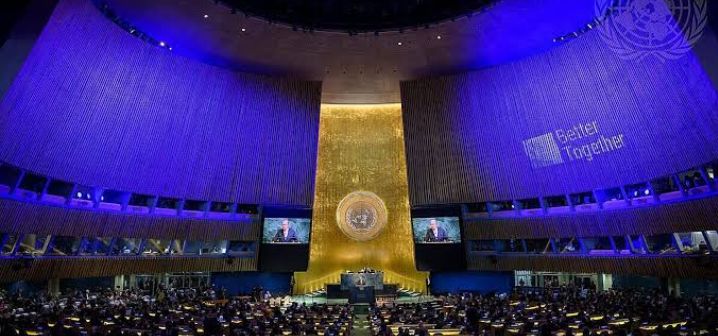
The United Nations Security Council Committee established pursuant to Resolution 1533 (2004) concerning the Democratic Republic of the Congo has announced the addition of six individuals and two armed groups to its sanctions list, citing their alleged involvement in the protracted insecurity affecting the eastern part of the country.
According to a United Nations statement issued on 16 July 2026, those designated include Corneille Nangaa, John Imani Nzenze, Sébastien Uwimbabazi, Gustave Kubwayo, also known as “Sirkoof,” Muhammed Lumisa, and others. The armed groups AFC/M23 and Twirwaneho were also added to the sanctions list.
The sanctions include asset freezes in all UN Member States, international travel bans, and restrictions on the supply of arms and related military equipment.
However, the decision has sparked debate among observers closely following developments in eastern Congo. Some residents living in areas controlled by AFC/M23 and Twirwaneho dispute allegations that the groups are responsible for undermining security. According to these residents, the territories under the groups’ control have experienced a relative improvement in stability and security compared with previous conditions, allowing commercial activities and daily life to gradually resume.
Residents who spoke to Minembwe Capital News (MCN) said the groups publicly maintain that their objective is to defend the rights and security of local communities while promoting the country’s development. They further argued that some international decision-makers have failed to adequately address the underlying causes of the decades-long conflict in eastern DRC, instead prioritizing sanctions that, in their view, do not resolve the root drivers of the crisis.
Meanwhile, many civilians living in areas that remain under the control of the Kinshasa government continue to express concerns over the security situation. Various reports have continued to document incidents of killings, armed robberies, looting of civilian property, and other forms of violence that remain a source of serious concern for local communities.
Some analysts argue that sustainable peace cannot be achieved solely through sanctions or military operations. Instead, they contend that meaningful and inclusive dialogue involving all relevant stakeholders is essential to addressing the conflict’s underlying causes and achieving lasting solutions based on justice, reconciliation, and equal rights for all citizens.
While the United Nations maintains that these sanctions are intended to support peace efforts and deter the activities of armed groups, some observers continue to question whether such measures can produce meaningful results as long as the political, security, and governance challenges at the heart of the conflict remain unresolved.
Eastern Democratic Republic of the Congo has endured decades of armed conflict involving multiple armed groups, recurring violence, and persistent human rights challenges. Communities across the region continue to call for sustainable solutions capable of restoring peace, security, and development, while placing the protection and welfare of civilians above political and military interests.
This report is based on the official United Nations statement and interviews conducted by Minembwe Capital News (MCN). Information provided by different parties may vary, and MCN will continue to monitor developments and provide verified updates as they become available.