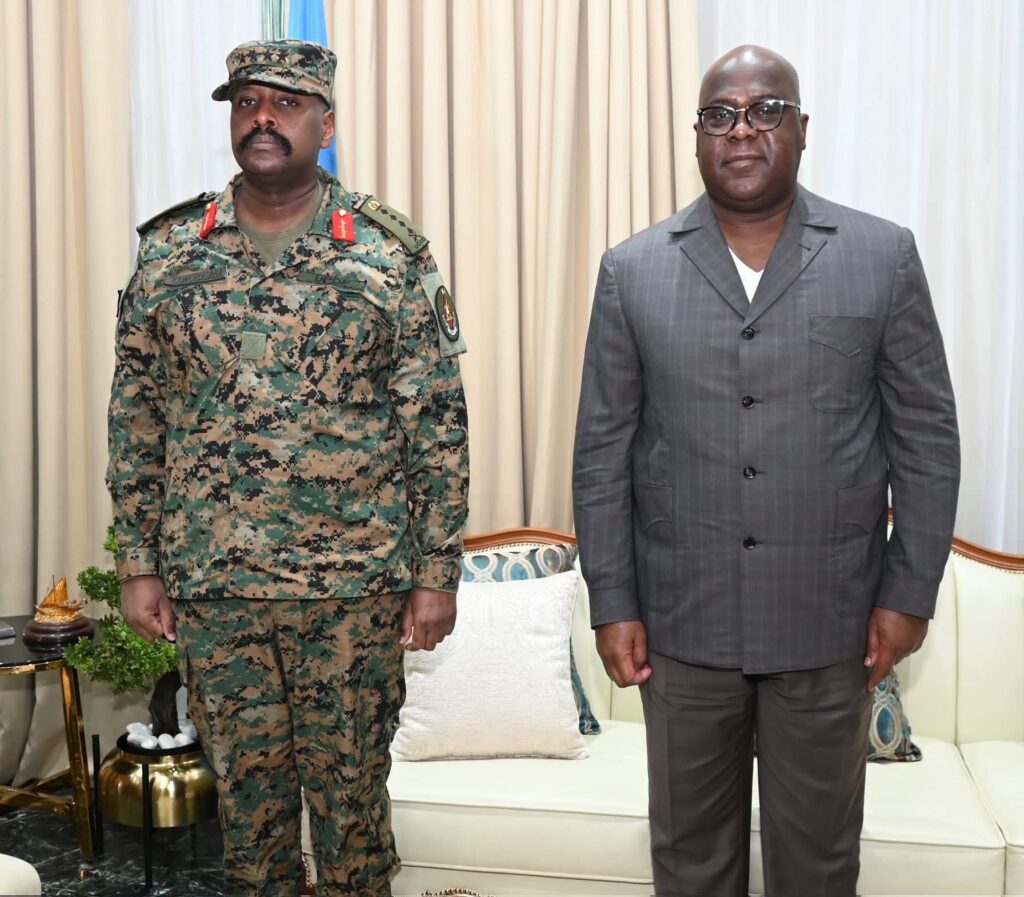

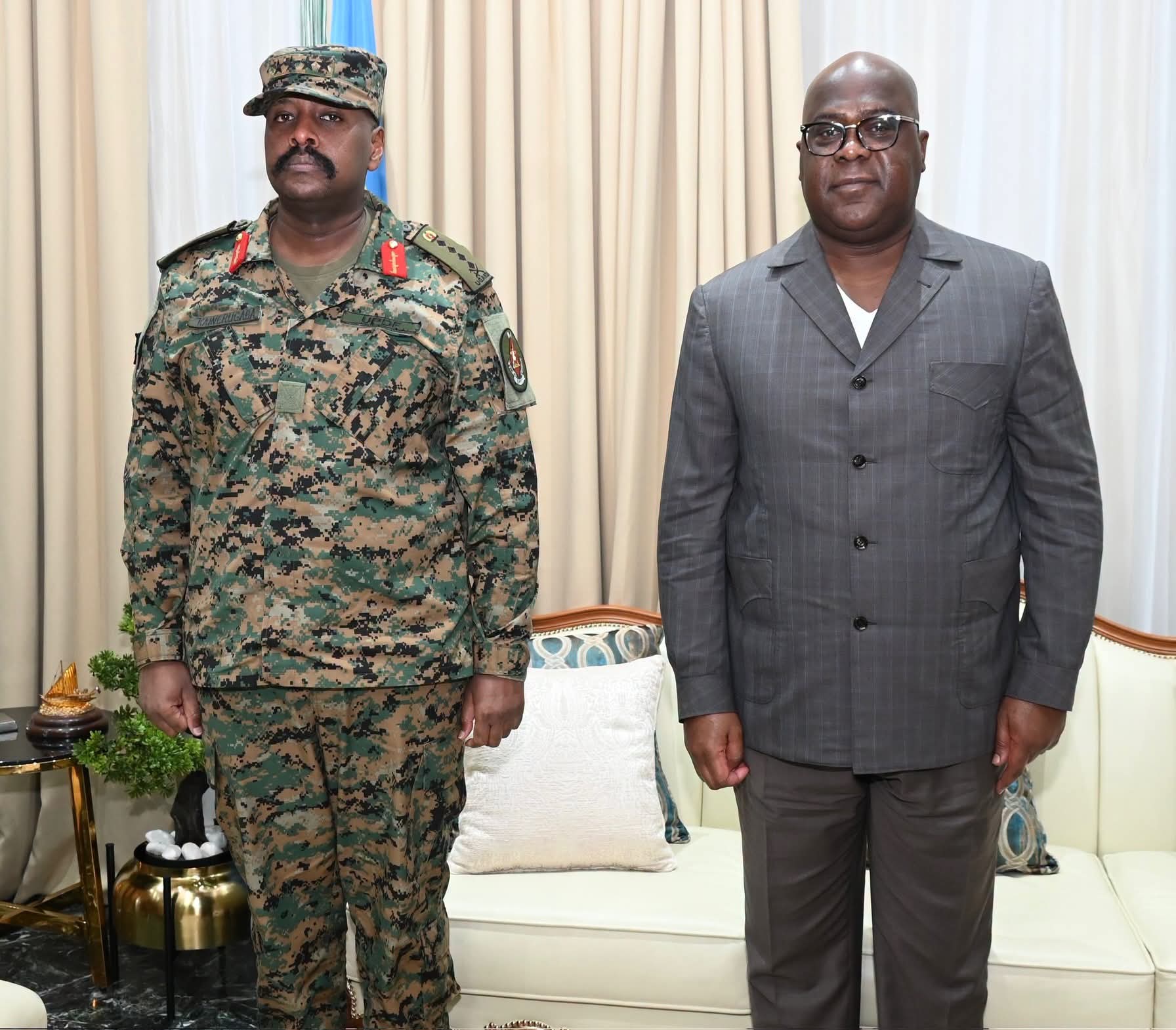
General Muhoozi Announces Major Ambition to Promote Peace Between Rwanda and the DRC
As security and relations among countries in the Great Lakes region remain at the center of diplomatic discussions and regional cooperation efforts, Uganda’s Chief of Defence Forces, General Muhoozi Kainerugaba, has once again expressed his desire to see lasting peace established between the Republic of Rwanda and the Democratic Republic of the Congo (DRC).
In a recent statement, General Muhoozi said that if he were ever to become President of Uganda, he would do everything within his power to help bring the two countries closer together and encourage diplomatic solutions to the disputes that have fueled tensions between Kigali and Kinshasa for many years.
He stated:
“If I become President of Uganda, I will do everything in my power to help Rwanda and the DRC restore good relations and resolve their differences through peaceful means.”
These remarks come at a time when persistent insecurity in eastern DRC continues to be one of the main obstacles affecting relations among countries in the region.
For several years, Rwanda has expressed concerns over the activities of the Democratic Forces for the Liberation of Rwanda (FDLR), an armed group largely composed of individuals involved in the 1994 Genocide against the Tutsi, as well as their supporters.
Kigali maintains that the FDLR operates on Congolese territory and that its activities continue to threaten regional stability. Rwanda also argues that the group has contributed to the spread of hate speech, particularly in certain parts of eastern DRC, where acts of violence targeting Banyamulenge and other Kinyarwanda-speaking Congolese communities have been reported.
For its part, the Congolese government continues to accuse Rwanda of supporting the M23 movement. Kigali firmly rejects these allegations, describing them as unfounded. Overall, these mutual accusations have further strained the political and diplomatic climate between the two countries.
Political and security analysts believe that a lasting solution cannot rely solely on military action. According to them, sustainable peace will also require inclusive political dialogue, confidence-building measures among stakeholders, and efforts to address the root causes that have fueled the conflict for many years.
General Muhoozi Kainerugaba is not new to regional reconciliation initiatives. In recent years, he has played a notable role in diplomatic efforts that contributed to improving relations between Uganda and Rwanda, which had long been affected by political and security disagreements.
Through diplomatic engagements and official visits organized between Kampala and Kigali, bilateral relations have gradually strengthened, paving the way for enhanced cooperation in economic, trade, and security matters.
Observers of regional politics believe that this experience gives additional weight to Muhoozi’s statements, particularly when he speaks of promoting peace and reconciliation among states facing long-standing disputes.
The countries of the Great Lakes region share a common history, close economic ties, and significant human connections, with many citizens crossing borders on a daily basis. In this context, numerous voices continue to emphasize that peace and cooperation are essential foundations for sustainable development.
General Muhoozi Kainerugaba’s ambition to contribute to improved relations between Rwanda and the DRC could therefore be viewed as part of broader regional efforts aimed at finding lasting solutions to the security challenges that have persisted in eastern DRC for decades.
As diplomatic initiatives continue in pursuit of solutions to regional crises, General Muhoozi’s remarks reflect the conviction that dialogue, mutual understanding, and peaceful solutions remain the most reliable paths toward building a stable and prosperous future for the people of the entire Great Lakes region.
Minembwe Capital News