
Kinshasa: Violent Clashes Between FARDC and Police in Makala Highlight Governance and Security Challenges
In the capital of the Democratic Republic of the Congo, Kinshasa, concerns over insecurity have resurfaced following violent clashes between soldiers of the Armed Forces of the Democratic Republic of the Congo (FARDC) and police officers in the densely populated district of Makala.
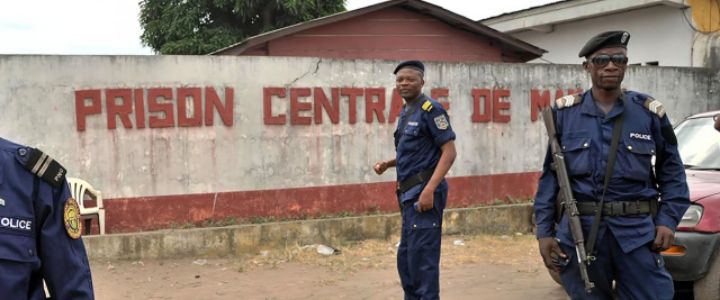
The confrontation began on the evening of April 21, 2026, after a security operation conducted in the Mabulu area, along Elengesa Road. Police officers were carrying out an operation targeting youths suspected of theft and other criminal activities. The situation escalated rapidly, turning into open conflict between the two security forces, with heavy gunfire reported.
The clashes spread to other parts of Makala, particularly along Kibambi 1 and Croquet streets, causing widespread panic among residents. Many chose to remain indoors as gunshots rang out, disrupting normal life across the area.
Amid the chaos, groups of youths known as “Kuluna,” notorious for criminal activities in Kinshasa, reportedly took advantage of the situation to carry out acts of violence, including looting homes in certain neighborhoods.
Various reports indicate that a police post located on Kimfumu Road was severely damaged; some sources claim it was partially or almost entirely destroyed. This further underscores the intensity of the unrest and raises concerns about the role of security forces in exacerbating, rather than containing, instability.
The head of Makala district, Ngudia Kabongo, visited the scene alongside security officials and stated that no fatalities had been recorded. However, he acknowledged that the material damage was considerable, particularly affecting civilian property and public infrastructure.
Makala, situated in the southern part of Kinshasa, has long faced persistent security challenges, largely linked to youth gangs known as “Kuluna,” which have been active in several parts of the city.
These clashes between security forces—who are ordinarily expected to cooperate in maintaining order—have heightened public concern, as they highlight deeper issues of poor coordination and internal tensions. Observers suggest that such incidents may stem from a lack of clear command structures, inadequate leadership, or disagreements over operational responsibilities.
Although calm is gradually returning, residents of Makala remain anxious and traumatized. They are calling on the government of the Democratic Republic of the Congo to take decisive measures to prevent similar incidents, particularly by improving coordination among security agencies and effectively dismantling criminal networks.
So far, authorities have not released definitive figures on the extent of the damage, nor have they issued a detailed statement regarding the launch of a thorough investigation into the clashes. This has raised ongoing questions about how such crises are managed and how to build professional, disciplined, and reliable security institutions.