
MRDP–Twirwaneho Reports Heavy Attacks in Minembwe, Accuses FARDC, Burundi, Wazalendo, and FDLR of Targeting Civilians
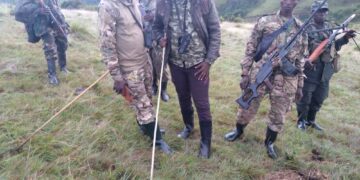
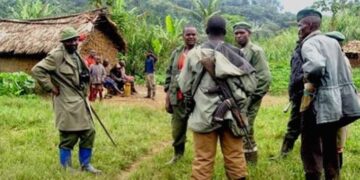
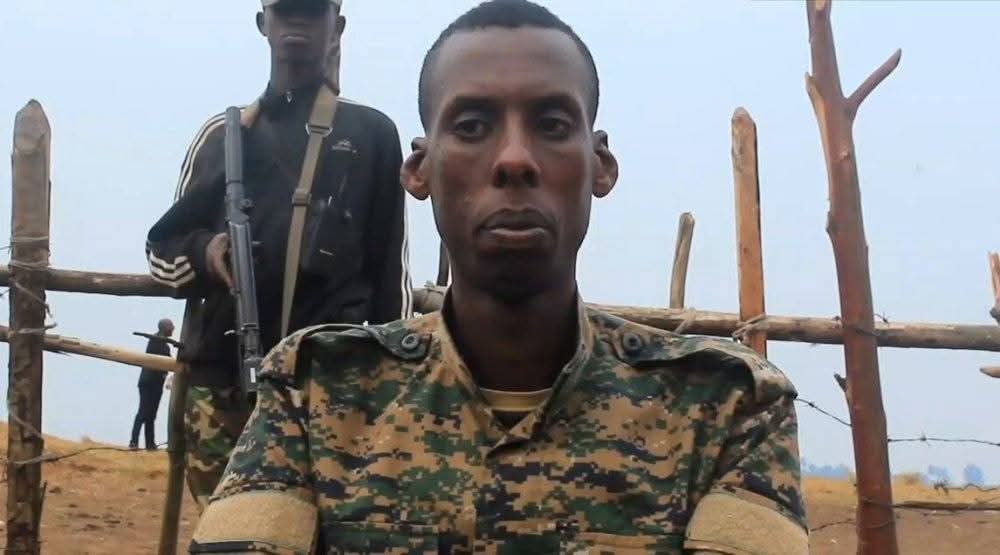
In a press statement released on May 14, 2026, the MRDP–Twirwaneho movement announced that heavy attacks had taken place in the highlands of Minembwe, particularly in the areas of Kalingi, Gakenke, Bidegu, and Rugezi. The group alleged that the attacks targeted Banyamulenge civilians.
According to the statement, the attacks were carried out by a coalition composed of the Armed Forces of the Democratic Republic of Congo (FARDC), Burundian troops, Wazalendo militias, and the FDLR. The statement further claimed that heavy military equipment was used during the operations, including Sukhoi-25 fighter jets, military drones, and heavy artillery. It added that these military actions severely disrupted the lives of local civilians.
In the statement, Twirwaneho described the attacks as ethnically motivated violence and accused both the Burundian and Kinshasa authorities of involvement in what it called actions aimed at harming the Banyamulenge community.
The movement stated that although Burundi has often presented itself as a country committed to peace and regional stability, certain military operations allegedly conducted in the Minembwe area contradict that image.
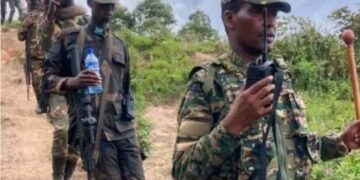
Twirwaneho also declared that, following the attacks, its forces and supporters immediately organized defensive operations aimed at repelling the assaults, pushing back the attackers, and protecting civilians.
It stated: “Military operations are still ongoing in various areas in order to protect the population and repel enemy forces.”
Relations between Twirwaneho and the government in Kinshasa have long been marked by deep tensions and conflict. The Congolese government considers groups such as Twirwaneho to be illegal armed movements and has repeatedly stated that they must be dismantled and disarmed.
On the other hand, Twirwaneho describes itself as a self-defense movement established to protect the Banyamulenge community, which it says faces persecution in eastern Congo.
The situation continues to worsen due to several factors, including:
The presence of numerous armed groups operating in eastern DRC;
Cooperation between FARDC and armed militias such as Wazalendo in military campaigns against groups considered rebels by the government;
Persistent allegations of Burundian military involvement in operations in South Kivu;
A long history of disputes related to land, security, and the rights of local communities.
The Minembwe region and surrounding areas have remained highly unstable, with clashes involving armed groups, government forces, and other militias continuing to intensify.
As a result, civilians continue to live in fear, with some being displaced from their homes while others flee to relatively safer areas.
Although different parties continue to present conflicting narratives regarding the situation, the ongoing insecurity in Minembwe highlights a deep political and security divide between the government in Kinshasa and MRDP–Twirwaneho.
The situation continues to call for inclusive dialogue, diplomatic efforts, and international cooperation in order to protect civilians and prevent further escalation of the conflict.