
New UN Report Reveals Intensifying Conflict in Minembwe and Its Severe Impact on Civilians
A new report by the United Nations Group of Experts on the security situation in the Democratic Republic of the Congo (DRC) has revealed that intense fighting has escalated in the highlands of Minembwe, placing the lives of civilians at serious risk. The report states that military operations conducted by the Kinshasa government forces, alongside the Burundian National Defence Force (FDNB) and allied armed groups, have further intensified the conflict in the area.
The report, submitted to the United Nations Security Council Sanctions Committee on May 8, 2026, and obtained by the media, states that since late January 2026, the Armed Forces of the Democratic Republic of the Congo (FARDC), supported by Wazalendo militias, the Burundian National Defence Force (FDNB), and other armed groups operating in the region, launched major military operations from Uvira toward Minembwe. The stated objective of these operations was to confront the MRDP/Twirwaneho movement and the Alliance Fleuve Congo (AFC/M23) coalition.
According to the report, the offensive had significant consequences for both security and civilian livelihoods. Weeks of intense fighting disrupted agricultural activities, trade, and transportation, leaving much of the local economy paralyzed.
The report estimates that MRDP/Twirwaneho maintained a force of between 2,500 and 3,000 fighters under the command of General Charles Sematama. It further indicates that the group received reinforcement from the Alliance Fleuve Congo (AFC/M23), which reportedly deployed additional troops at various stages throughout 2025 and early 2026.
After FARDC and its allied forces blocked most access routes leading to Minembwe for an extended period, they launched a major offensive on March 31, 2026, aimed at capturing the area. The report states that MRDP/Twirwaneho and AFC/M23 subsequently received support through drone operations and aerial logistical assistance, enabling them to force FARDC to withdraw from several strategic positions, including Murambya on Ndondo Hill in Bijombo Groupement.
One of the report’s central findings is that civilians living in Minembwe and its surrounding areas found themselves trapped between the opposing forces.
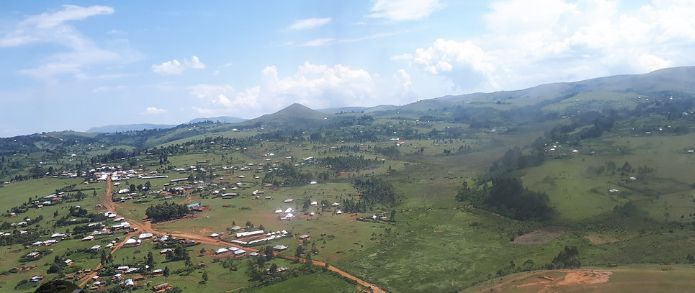
According to the UN experts, since mid-2025, Minembwe has been effectively encircled by FARDC and allied military operations, resulting in the closure of all major land access routes. This severely restricted civilian movement and significantly disrupted the delivery of food, medical supplies, and humanitarian assistance.
The report notes that from February 2026, air transport became the only remaining means of accessing Minembwe, further exacerbating food shortages and limiting humanitarian relief efforts.
It also states that some residents of Minembwe called on FARDC and its allies to lift the siege and establish a humanitarian corridor to allow civilians access to food, medicine, and emergency humanitarian assistance.
The report further notes that some civilians accused FARDC and its allied forces of exposing them to danger and appealed for safe evacuation routes for civilians trapped in conflict zones.
The UN Group of Experts emphasizes that, if supported by credible evidence, such actions could raise serious concerns regarding compliance with international humanitarian law, particularly obligations related to the protection of civilians during armed conflict.
The report also states that leaders of MRDP/Twirwaneho and AFC/M23 accused FARDC and the Burundian National Defence Force (FDNB) of carrying out attacks against Banyamulenge civilians, particularly through aerial bombardments.
However, the UN Group of Experts notes that although civilians suffered serious consequences as a result of the fighting, it did not find sufficient evidence to conclude that there was a deliberate policy specifically targeting civilians. According to the report, military operations conducted between 2025 and 2026 resulted in the deaths of at least three civilians, including one teenage girl and two elderly men.
Regarding efforts to address the security crisis in Minembwe and eastern DRC, the report states that the Joint Oversight Committee responsible for monitoring the implementation of the peace agreement between the DRC and Rwanda met in London, where participants expressed deep concern over the continued escalation of hostilities, the impact of drone strikes on civilians, and the worsening humanitarian situation.
In a joint statement issued by representatives of the United States, the Democratic Republic of the Congo, Rwanda, Qatar, Togo, and the African Union, all parties were urged to respect the ceasefire and reduce tensions, particularly in the Minembwe area.
The report concludes by stressing that the situation in the highlands of Minembwe remains a matter of growing concern for the international community. It calls on all parties involved in the conflict to prioritize the protection of civilians, ensure unhindered humanitarian access, and pursue a political solution capable of bringing a lasting end to the conflict that has continued to disrupt the lives of local communities.