
The Truth About the Scale of Iran’s Attack on U.S. Military Bases and the Reported Damage
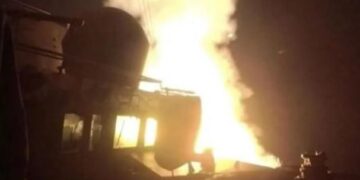
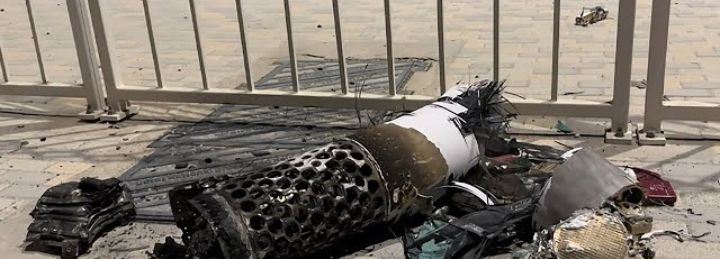
As military tensions between Iran and the United States continue to escalate, various reports—including those published by a media outlet—indicate that Iran launched significant attacks on U.S. military bases located across different parts of the Middle East, causing damage to military infrastructure on a scale previously unseen.
According to available analytical reports, Iran employed advanced capabilities, including:
- ballistic missiles,
- unmanned aerial vehicles (drones),
- and electronic warfare techniques.
The primary objectives were to disable:
- communication systems,
- radar and surveillance systems,
- and key facilities used for aircraft storage and operations.
These operations were reportedly carried out in a highly coordinated manner, with multiple simultaneous strikes designed to overwhelm U.S. defensive capabilities and slow down response time.
The reports suggest that approximately 16 military installations across eight countries were targeted. Some of these bases are considered strategically vital to U.S. operations in the Gulf region.
Among the most significant reported damages were:
- reconnaissance aircraft, including high-value platforms estimated at up to $500 million each,
- advanced radar systems,
- and aircraft hangars and military equipment storage facilities.
In some locations, parts of the affected bases were reportedly left heavily damaged, requiring substantial time and financial resources to restore operational capacity.
The journalist who conducted this investigation stated that military witnesses and defense analysts agreed that:
- these attacks far exceed anything the United States has experienced in past conflicts in Iraq and Afghanistan,
- and that Iran demonstrated a new level of capability in conducting highly coordinated and technologically advanced strikes.
Based on the available information, the United States reportedly took the decision to:
- withdraw more than 90% of its personnel from the affected areas,
- temporarily scale down military operations,
- and reassess its defensive strategies against similar future attacks.
This reflects what was described as an urgent security reassessment due to the level of disruption caused.
The conflict reportedly began on 28/02/2026, following a major U.S. strike in Tehran that resulted in the deaths of senior Iranian officials. Iran considered that attack a formal declaration of war.
One of the most significant global consequences has been:
- the disruption of the Strait of Hormuz, through which nearly 20% of global oil exports pass,
- a sharp rise in global oil prices,
- and major economic instability worldwide.
However, despite the significant damage inflicted on U.S. assets, claims that the United States has been “completely defeated” are not fully supported by facts. This is because:
- The United States retains strong capacity to replace damaged assets.
- Its military remains one of the most powerful in the world, despite temporary disruption.
- However, short-term operational losses are evident.
In other words, this is not a total defeat, but rather a significant temporary setback that exposed vulnerabilities in U.S. regional defense systems.
These Iranian attacks mark a major shift in modern warfare, where advanced technology and strategic coordination can significantly disrupt even the most powerful military forces. While the United States has not been defeated, the events represent a serious lesson regarding its security posture and the need for strategic reassessment in the international arena.