
Understanding What the UN New Report Says About FDLR and FARDC in the DRC
A new report released by the United Nations Group of Experts indicates that the Armed Forces of the Democratic Republic of the Congo (FARDC) have continued to cooperate with the FDLR armed group and other associated militias, despite previous directives from the Kinshasa authorities to dismantle and eliminate the group.
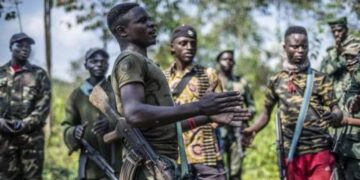
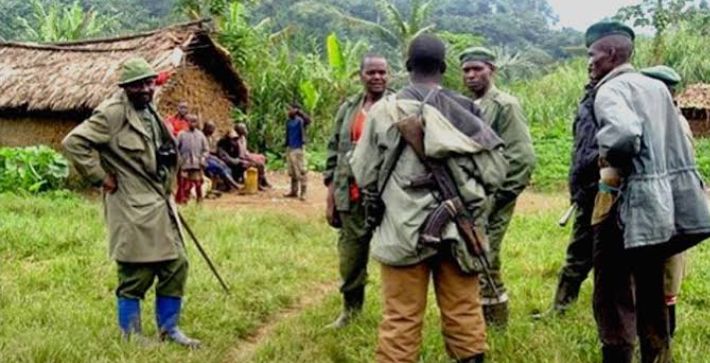
The report states that, while diplomatic efforts have called on the DRC government to take concrete measures to neutralize the FDLR, on the battlefield in North Kivu Province, FARDC has continued to rely on FDLR fighters during operations against the AFC/M23 coalition as well as the MRDP-Twirwaneho in South Kivu. It further notes that FDLR combatants have been deployed across various frontlines, at times fighting on the front line alongside FARDC troops and Wazalendo militias.
These findings by UN experts reinforce long-standing concerns raised by various analysts regarding the cooperation between FARDC, the FDLR, and Wazalendo-affiliated armed groups operating in eastern DRC.
In the Minembwe area, residents report that acts of violence have long been carried out by a coalition composed of FARDC, Burundian forces, Wazalendo militias, and FDLR fighters. According to these residents, these groups frequently launch attacks on villages inhabited by Banyamulenge communities, resulting in the killing of civilians, looting of property, and theft of livestock.
Local communities in the region continue to call for an independent investigation into these incidents and for all those responsible to be held accountable, in order to protect civilians and end the culture of impunity that has persisted for many years in eastern DRC.
The UN Experts’ report once again urges the government of the Democratic Republic of the Congo to honor its international commitments, including the complete cessation of any cooperation with armed groups—particularly the FDLR, which has long been accused of contributing to insecurity in the Great Lakes region.
Analysts argue that if the findings of this report are acted upon by the relevant international mechanisms, it could increase pressure on the Kinshasa government to end all forms of collaboration with armed groups, thereby opening the way toward lasting peace and improved security for civilians in eastern DRC.