
DRC: Between President Tshisekedi’s Rhetoric on Peace and the Persistent Reality of Escalation in Eastern Congo
While the President of the Democratic Republic of Congo, Félix Tshisekedi, continues to emphasize that his administration prioritizes the restoration of sustainable peace in the eastern part of the country, the situation on the ground presents a contrasting picture. Insecurity continues to intensify, armed conflicts persist, and political tensions remain increasingly complex.
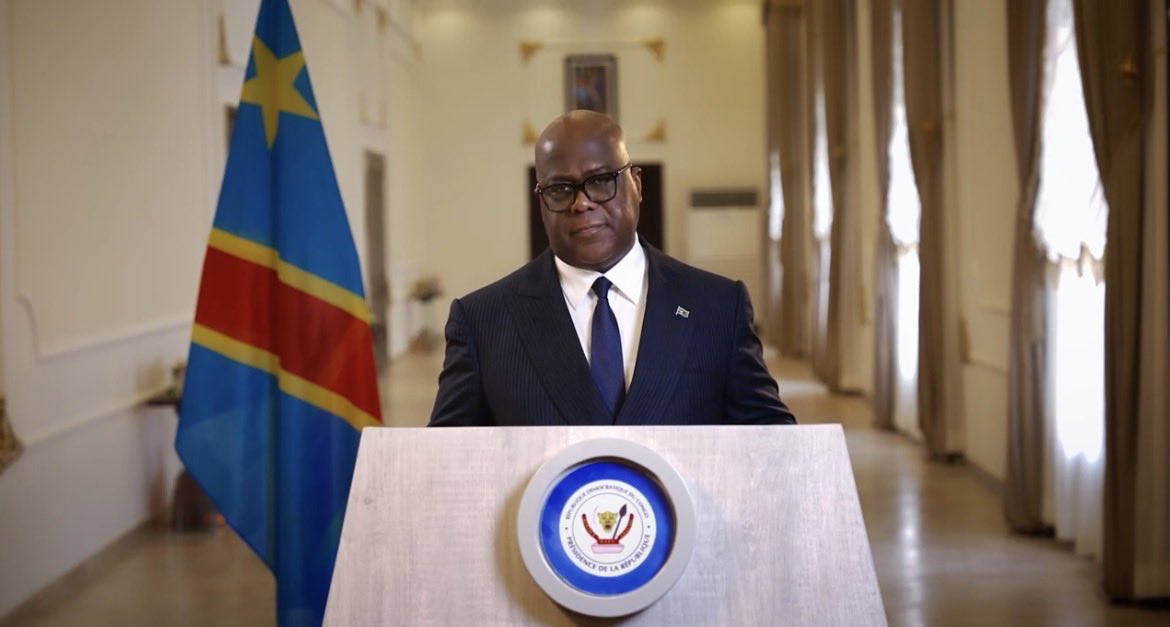
In his address to the nation on 30/06/2026, during the celebration of the 66th anniversary of Congo’s independence, President Tshisekedi strongly highlighted the security challenges in the eastern region. He noted that civilians continue to suffer from the consequences of war, including violence, destruction of property, and violations of basic human rights.
He expressed deep concern over the situation of populations in the provinces of South Kivu, North Kivu, Ituri, Tanganyika, and Maniema, reaffirming that restoring security for these communities remains a top priority of his government.
The President also praised the Armed Forces of the DRC (FARDC), the national police, and the so-called Wazalendo groups, stating that they contribute to the defense of the country within a legal framework. He commended their efforts and sacrifices in safeguarding national sovereignty.
Despite these political commitments from Kinshasa, various observers and analysts argue that a significant gap remains between official statements and the reality on the ground. They particularly point to the limited space given to dialogue with armed groups such as MRDP-Twirwaneho and M23, arguing that negotiations have not been sufficiently prioritized.
There are also claims that ongoing military operations in eastern DRC remain complex and difficult to clearly attribute, particularly amid allegations of varying forms of cooperation between state forces, local armed groups, and other actors in the region. These dynamics continue to fuel intense political and security debates.
On its part, the Congolese government maintains that its objective is to neutralize all armed groups destabilizing the country and to fully restore the territorial integrity of the state.
In several areas of eastern Congo, reports continue to indicate ongoing clashes between MRDP-Twirwaneho and government forces, with each side accusing the other of destabilizing civilian populations. However, local communities often claim that the presence of FARDC, Burundian forces, Wazalendo militias, and FDLR elements contributes to their insecurity, while some argue that MRDP-Twirwaneho and M23 bring relative stability in areas under their control.
Despite various agreements and international peace initiatives, including those in Washington and the Doha-led process facilitated by Qatar, implementation has remained slow. Each party continues to accuse the others of failing to respect agreed commitments.
Analysts suggest that diverging interpretations of agreements, combined with conflicting interests among stakeholders, continue to hinder the achievement of lasting peace in eastern DRC.
While the government in Kinshasa maintains that peace remains a central objective, the reality on the ground in eastern Congo indicates that the path toward stability remains long and highly complex. Aligning political dialogue, military operations against armed groups, and inclusive negotiations among all stakeholders remains essential for achieving a durable solution to the long-standing crisis.