
Washington Reaffirms Commitment to Protecting Civilians in Eastern DRC as Debate Continues Over Sanctions Against Some AFC/M23 Commanders
Minembwe Capital News
The United States has once again emphasized that ending violence against civilians, particularly women and children living in conflict-affected areas, remains one of the key priorities of its efforts to promote peace, justice, and respect for human rights around the world.
The remarks were made on July 8, 2026, when U.S. Deputy Ambassador to the United Nations Tammy Bruce addressed the 10,190th meeting of the United Nations Security Council, which focused on measures to protect survivors of conflict-related sexual violence.
The meeting was chaired by the Democratic Republic of Congo, represented by Prime Minister Judith Suminwa, and centered on the theme: “Fulfilling the Promise of International Law for Survivors of Conflict-Related Sexual Violence.”
Ambassador Tammy Bruce stated that words alone are not enough to address the challenges facing populations affected by armed conflicts. She stressed that concrete actions are required to protect civilians, especially those who are not involved in hostilities.
She emphasized that meaningful action is the true demonstration of commitment to combating violence and ensuring justice for victims of abuse.
The U.S. diplomat also highlighted that the administration of President Donald Trump has prioritized efforts to seek solutions to conflicts around the world. She stressed that as wars and armed conflicts continue, the international community has a responsibility to take measures aimed at protecting civilians suffering from their consequences.
These remarks come at a time when eastern regions of the Democratic Republic of Congo continue to experience serious security challenges, with various actors accusing one another of actions that threaten the safety and stability of local communities.
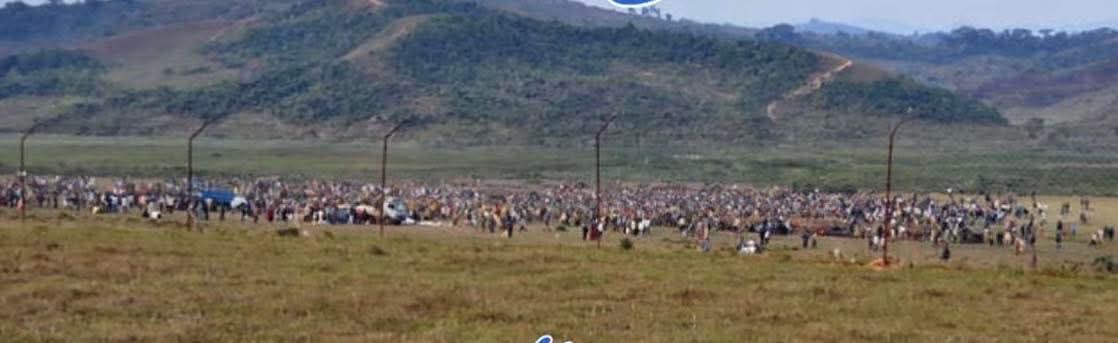
In areas around Minembwe, including Gakenke, Kalingi, Gitavi, Lundu, Bidegu, and other surrounding locations, reports have emerged in recent days of military activities that have affected civilians. Leaders of MRDP-Twirwaneho say their forces repelled attacks aimed at destabilizing local communities and that, in some areas, civilian life has begun returning to normal.
On the other hand, some residents report that during periods of fighting, acts of looting allegedly occurred, including the loss of livestock and essential household property. They argue that those responsible should be held accountable.
Ambassador Tammy Bruce also referred to sanctions imposed by the U.S. Department of the Treasury against certain leaders and commanders of armed groups operating in eastern DRC, including individuals accused of involvement in serious human rights violations.
The United States has stated that these sanctions are intended to target individuals it accuses of responsibility for grave crimes, including conflict-related sexual violence and other abuses against civilians.
However, supporters of the AFC/M23 alliance argue that some of its leaders who have been sanctioned should not be portrayed as perpetrators of abuses against civilians. They claim that these individuals are involved in what they describe as a struggle to defend communities in eastern Congo that have faced prolonged insecurity, violence, and a lack of adequate protection.
They argue that the AFC/M23 situation should be examined within a broader context, including the underlying causes that have allowed conflicts to persist and the grievances of communities that they say have been neglected by government institutions.
The Security Council meeting took place as eastern provinces of the Democratic Republic of Congo continue to face significant security difficulties, with various armed groups engaged in confrontations that continue to have severe consequences for civilian populations.
Women and children remain among the groups most affected by the consequences of these conflicts, as international organizations continue to call for stronger measures to protect civilians and ensure that those suspected of committing crimes are brought before justice.
Despite ongoing diplomatic efforts by regional and international actors, the security situation in eastern DRC has yet to reach a lasting resolution, as opposing sides continue accusing each other of violating agreements and maintaining military activities.
Analysts say that achieving sustainable peace in eastern Congo requires addressing the broader issues behind the conflicts, including civilian protection, governance, respect for human rights, and the factors driving different armed groups to take up arms.
As the United States continues to insist that those responsible for abuses must be held accountable, some communities living in conflict-affected areas are calling for deeper investigations into their longstanding challenges. They argue that civilian protection should not be viewed only through a political or military lens, but rather as a matter of justice and respect for human dignity.