
BREAKING: Bujumbura Emerges as a Diplomatic Hub for the DRC Crisis—Intense Debate Over President Ndayishimiye’s Role
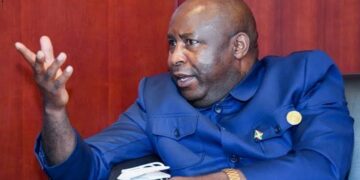
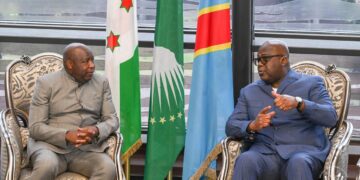
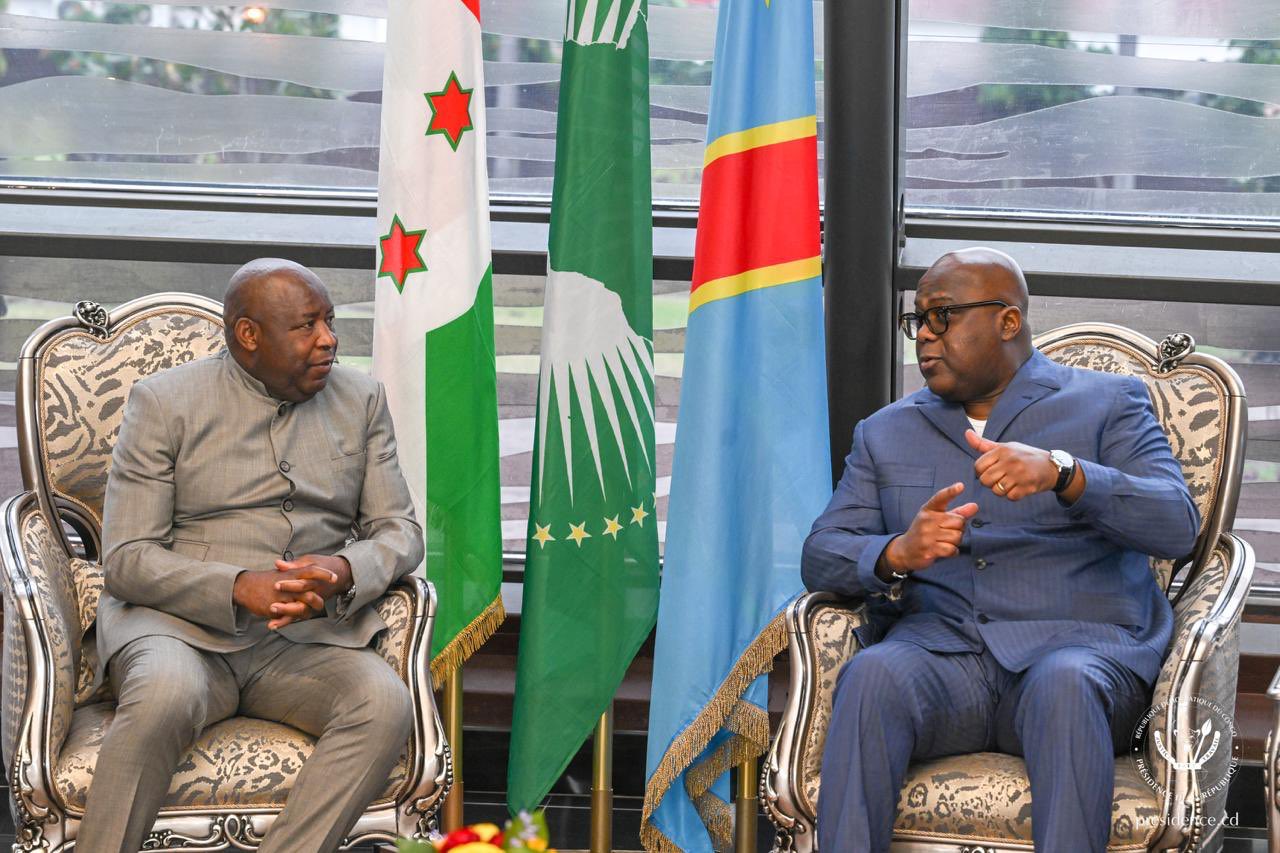
Various media outlets in the Democratic Republic of Congo (DRC) continue to highlight ongoing diplomatic activities taking place in Bujumbura, Burundi, initiated under the leadership of Burundian President and current Chair of the African Union, Évariste Ndayishimiye. These discussions aim to explore possible solutions to the persistent security crisis destabilizing the eastern region of the DRC.
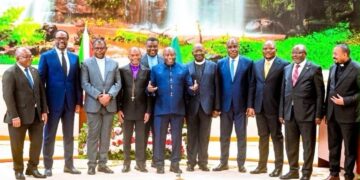
According to La Tempête des Tropiques, several opposition political figures, including Martin Fayulu, Delly Sesanga, and Jean-Marc Kabund, participated in these talks. They are reportedly engaging in discussions around a proposed framework for resolving the DRC crisis, supported by the African Union (AU).
It has also been reported that representatives from the National Episcopal Conference of Congo (CENCO) and the Evangelical Church of Congo (ECC) took part in the dialogue process. However, former President Joseph Kabila was notably absent from the initiative, with sources attributing this to a combination of legal and political considerations.
Congo Nouveau describes these developments as a significant shift in regional diplomatic practice, raising the question: “Has Ndayishimiye replaced Lourenço?” This comparison refers to the mediation role previously played by Angolan President João Lourenço in the Luanda peace process.
The same reports indicate that the Bujumbura initiative has brought together delegates from political institutions, civil society, and religious organizations, with the aim of establishing a foundation for sustained dialogue that could lead to lasting peace—particularly regarding the security challenges in North and South Kivu.
On the other hand, Le Phare offers a more critical perspective, describing the talks as “highly mixed consultations,” suggesting they could potentially be used to dilute the political influence of the AFC/M23 and MRDP-Twirwaneho movements on the international stage.
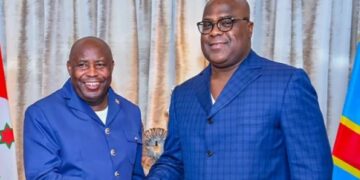
The article further recalls that President Félix Tshisekedi has consistently maintained that there can be no negotiations that resemble “rewards for war” or any arrangements perceived as undermining the sovereignty of the DRC.
Minembwe Capital News observes that this evolving diplomatic momentum in Bujumbura remains highly contested, particularly regarding the role of President Évariste Ndayishimiye. This is linked to claims by some observers who question his neutrality, alleging involvement in attacks against Banyamulenge communities living in various parts of the Minembwe/Mulenge areas in South Kivu Province.
Some commentators have also strongly criticized this diplomatic approach, arguing that “one who has failed to govern his own country cannot hastily position themselves as a problem-solver for others,” in reference to the broader skepticism surrounding certain regional mediation efforts.
In conclusion, the Bujumbura talks are increasingly seen as a new diplomatic experiment aimed at addressing the complex security and governance crisis in the DRC. However, they continue to generate significant controversy regarding their structure, legitimacy, potential benefits, and possible implications for long-term peace in the Great Lakes region.