
What to Know About President Tshisekedi’s Alleged Plan to Remove Tutsi Soldiers from the FARDC
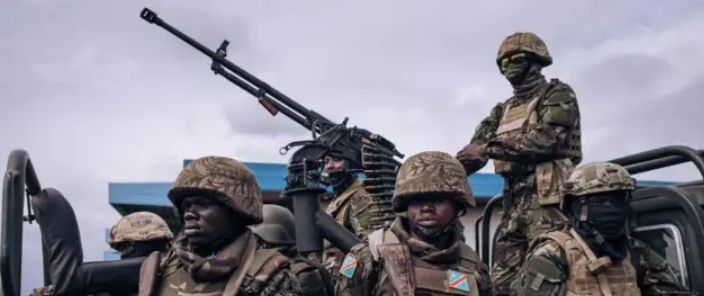
President Félix Tshisekedi of the Democratic Republic of Congo (DRC) continues to send signals suggesting that he intends to intensify measures aimed at removing from the army, and detaining, certain soldiers suspected of having ties to armed groups or foreign countries accused of destabilizing Congo.
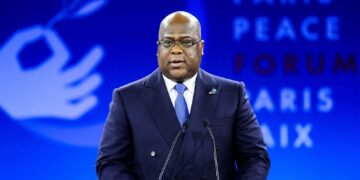
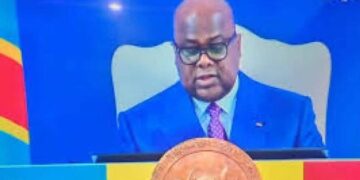
During an interview with the media on 06/05/2026, President Tshisekedi once again addressed the issue of “infiltrators” and “traitors,” stating that they had long penetrated the Congolese army. According to him, this situation has contributed to the weaknesses of the FARDC in its fight against M23 and MRDP-Twirwaneho, armed groups operating in the eastern part of the country.
Although he did not explicitly mention names or ethnic groups, observers closely following Congolese politics and security affairs say his remarks are increasingly being interpreted as a message aimed at continuing the removal of many Kinyarwanda-speaking soldiers from the army, particularly Tutsi officers originating from eastern Congo.
In recent years, many soldiers from North Kivu, South Kivu, Maniema, and the former Katanga region have reportedly been removed from their duties, with some detained and others placed under dispo status — a military term referring to suspension from active service without clear explanation.
Analysts believe these actions could be part of a broader strategy to reduce or completely remove soldiers whom President Tshisekedi and his administration suspect of having links with M23 or Rwanda, a country that Kinshasa continues to accuse of supporting the rebel movement.
Some influential figures in Congolese politics argue that this situation stems from the persistent mistrust between the Kinshasa government and certain soldiers from eastern Congo, especially those alleged to have previously been associated with armed groups that were integrated into the FARDC following past peace agreements.
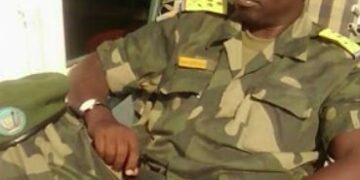
Among the officers recently mentioned in reports are General Eric Ruhorimbere and Colonel Gapanda, who had been serving in the Bunia area. Sources close to his family claim that he was first detained in Kisangani before being transferred to an undisclosed location in Kinshasa.
Family members say they were never informed of his whereabouts and that, to this day, he has not been brought before a court to respond to any accusations against him. This has prompted some human rights advocates to express concern, arguing that such methods of detaining soldiers are troubling and could further deepen tensions within the FARDC.
There are also other senior military officers who have been removed from their positions or detained, including some who previously held high-ranking roles within the Congolese army. While the Kinshasa government maintains that this is part of a broader effort to “clean up the military,” critics argue that some actions appear to be based on suspicion linked to ethnic background or the languages spoken by the officers involved.
The campaign does not appear to target only Kinyarwanda-speaking soldiers. Some Swahili-speaking officers from eastern Congo also claim they are facing pressure, particularly those suspected of being close to former President Joseph Kabila.
In recent months, President Tshisekedi and his allies have repeatedly stated that certain individuals within the security services and political circles are seeking to destabilize his administration or collaborate with armed groups opposed to the government.
Some analysts view these measures as part of efforts to strengthen internal military security, while others see them as politically motivated actions that risk fueling divisions based on ethnicity, origin, and regional identity.
Observers closely monitoring military affairs in the DRC warn that if this issue is not handled in a lawful and balanced manner, it could weaken the Congolese army rather than strengthen it.
There are growing concerns that the continued removal of soldiers based on suspicion or ethnic origin could create deeper divisions within the FARDC, especially at a time when the country remains engaged in a major conflict in the east.
Since 2021, the M23 rebel movement has continued expanding the territories under its control in North and South Kivu provinces, including strategic cities such as Goma and Bukavu, as well as several important territories. This has placed significant pressure on President Tshisekedi’s administration, which continues to face criticism over its handling of the country’s long-standing security crisis.
While the Kinshasa government insists that its objective is to rebuild a professional and trustworthy army, critics argue that the methods being used risk pushing the FARDC deeper into ethnic divisions and mistrust among soldiers themselves.