
Ebola Outbreak Once Again Raises Serious Concerns Across Africa and the World
The United Nations health agency, the World Health Organization (WHO), has announced that the Ebola outbreak continues to raise serious international concern following an increase in infections and deaths linked to the disease in Central Africa and the Great Lakes region.
Reports from health authorities indicate that a new and unusual strain of Ebola is spreading rapidly, particularly in the Democratic Republic of Congo (DRC) and Uganda, where many people have already shown symptoms of the disease while others have lost their lives.
WHO stated that the outbreak is especially alarming because this particular strain of Ebola currently has no internationally approved vaccine or treatment, prompting global health institutions to strengthen preventive measures before the disease spreads further to other countries.
Ebola is a highly infectious disease that affects humans and certain animals. It is caused by a virus from the Filoviridae family. The disease was first identified in 1976 near the Ebola River in the DRC, from which it derived its name.
The disease is known for its extreme severity, with fatality rates ranging from 25% to 90% depending on the virus strain and the speed and quality of medical treatment provided.
Experts say Ebola is among the deadliest epidemic diseases because it can claim many lives within a short period, especially in countries with limited capacity to contain and treat outbreaks.
Over the years, Ebola outbreaks have been reported in several African countries, including:
- Democratic Republic of Congo (DRC)
- Uganda
- Guinea
- Sierra Leone
- Liberia
- South Sudan
- Gabon
- Côte d’Ivoire
- Mali
- Nigeria
The deadliest outbreak occurred between 2014 and 2016 in West Africa, particularly in Guinea, Liberia, and Sierra Leone, where more than 11,000 people lost their lives and over 28,000 others were infected.
At that time, the entire world was alarmed by the rapid spread of the outbreak and the difficulties many countries faced in controlling it.
Ebola spreads through direct contact with the blood, sweat, saliva, or other bodily fluids of an infected person or someone who has died from the disease.
It can also spread through:
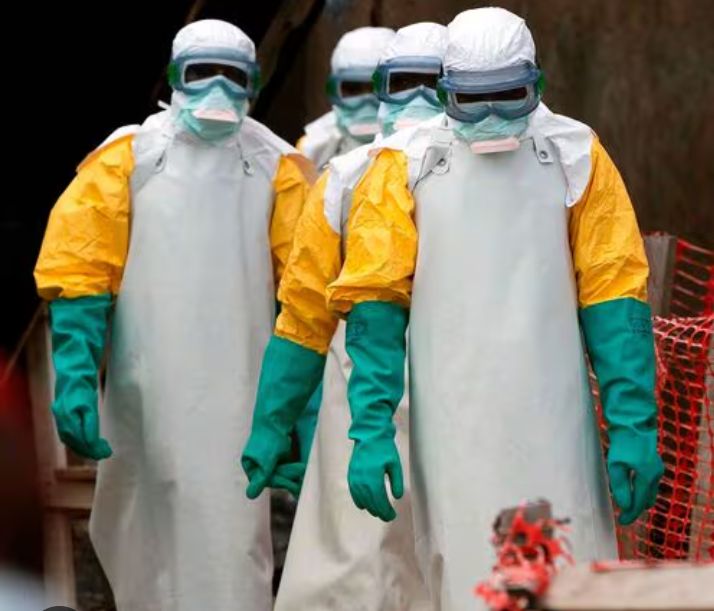
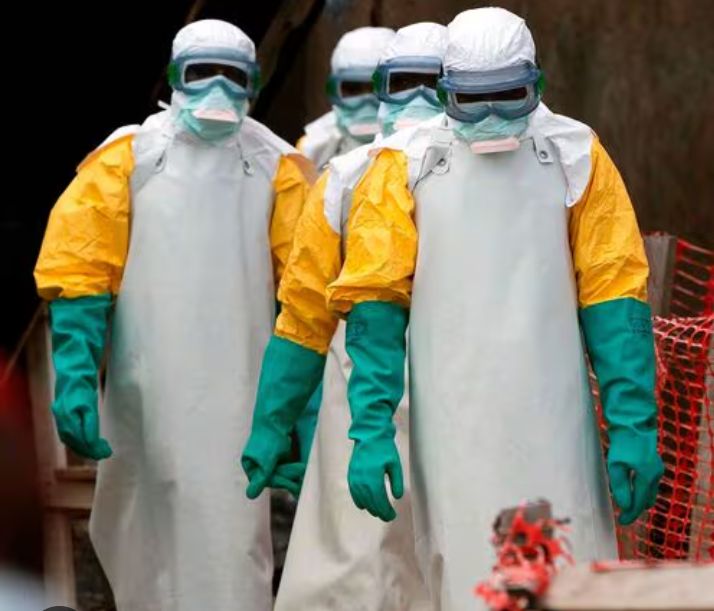
- Caring for infected patients without protective equipment
- Using contaminated medical equipment
- Contact with the bodies of Ebola victims
- Consuming improperly cooked meat from infected animals
Doctors say an infected person can continue spreading the virus once symptoms begin to appear.
Symptoms of Ebola may appear between 2 and 21 days after infection. Common symptoms include:
- High fever
- Severe headache
- Extreme weakness
- Muscle and joint pain
- Vomiting and diarrhea
- Stomach pain
- Loss of appetite
- Bleeding from the mouth, nose, or other parts of the body in severe cases
People showing these symptoms are advised to seek immediate medical attention in order to receive early treatment and prevent further transmission.
WHO and other international organizations are particularly concerned that this strain of Ebola is emerging in countries with heavy cross-border movement, especially between the DRC, Uganda, and neighboring states.
There are fears that the virus could spread rapidly due to international travel, trade activities, and the porous borders connecting many African countries.
Another major concern is that some communities still lack adequate information about Ebola, leading some people to ignore prevention guidelines or hide infected patients.
Health experts recommend the following measures to protect against the outbreak:
- Wash hands frequently with clean water and soap
- Avoid contact with anyone showing Ebola symptoms
- Avoid contact with blood or other bodily fluids of infected individuals
- Seek medical attention immediately if symptoms appear
- Avoid touching bodies of people who died from unknown illnesses
- Follow guidelines issued by health authorities
- Avoid eating undercooked meat from wild animals
To prevent the spread of Ebola, many countries have intensified screening measures at borders and airports, including monitoring travelers showing suspected symptoms.
WHO has urged all countries to continue working closely together and sharing information rapidly to prevent unexpected outbreaks and wider international transmission.
Experts emphasize that although Ebola is a dangerous and fast-killing disease, early detection and strict adherence to public health measures can significantly reduce infections and deaths.