
President Ramaphosa Delivers Strong Message on Congolese Nationals Living in South Africa and Refugees Fleeing Conflict
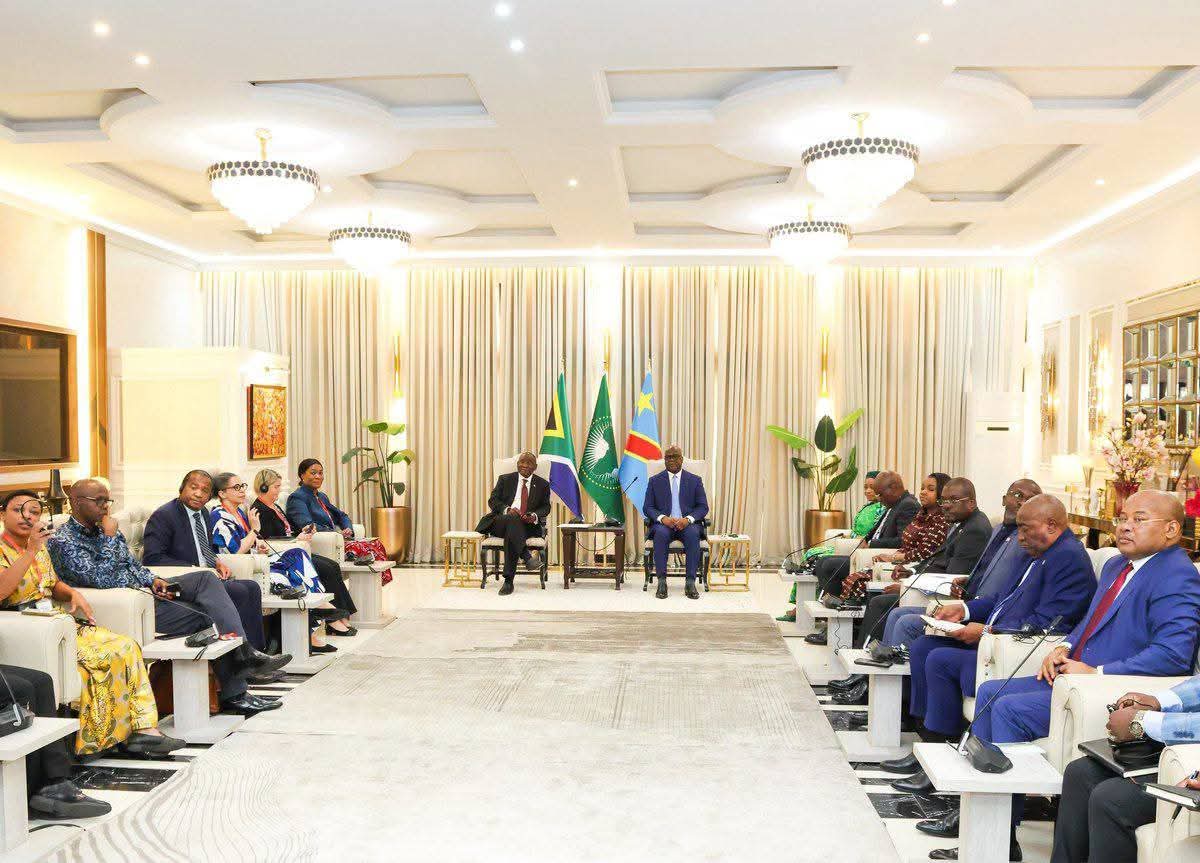
During his working visit to Kinshasa on Thursday, July 2, 2026, South African President Cyril Ramaphosa and the President of the Democratic Republic of the Congo (DRC), Félix Antoine Tshisekedi, held discussions that extended beyond bilateral relations. Their talks also focused on the increasingly sensitive issue of Congolese nationals and other African migrants living in South Africa, particularly those residing in the country without legal documentation.
The issue has remained a source of concern for many years due to recurring incidents of violence, discrimination, and xenophobic attacks targeting foreign nationals, especially those from other African countries.
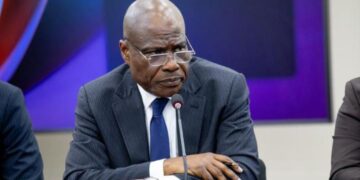
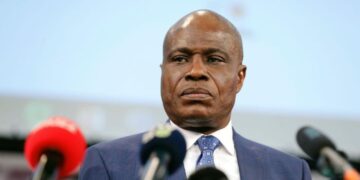
Speaking to the media after the bilateral meeting, President Félix Tshisekedi acknowledged that every sovereign state has the legitimate right to establish and enforce its immigration laws. However, he emphasized that such authority should never be used as a justification for violating fundamental human rights.
He called for migration-related challenges to be addressed through dialogue, wisdom, and peaceful solutions rather than through force or discrimination, stressing the importance of preserving the values of African unity and solidarity.
Tshisekedi expressed confidence in the South African government’s ability to find a lasting solution that respects the rule of law while safeguarding the dignity and lives of migrants.
President Cyril Ramaphosa reaffirmed that his government remains committed to upholding South Africa’s Constitution, which guarantees fundamental human rights to every person within the country’s borders, regardless of their immigration status.
He stressed that migration issues must be managed carefully and responsibly, without hatred, violence, or xenophobia.
President Ramaphosa stated:
“What President Tshisekedi has said reflects exactly what we also seek to achieve. We want to address this issue with care and wisdom while remaining mindful of the unemployment and poverty challenges facing South African citizens.”
He further noted that South Africa will continue to protect the rights of everyone within its territory while also safeguarding the security and interests of its citizens.
Over the years, South Africa has witnessed repeated outbreaks of protests and violence directed at foreign nationals, largely driven by economic challenges.
Some South Africans argue that foreign nationals:
- Take jobs that should be available to South African citizens;
- Operate businesses at lower prices, creating unfair competition for local traders; and
- In some cases, enter the country illegally.
These concerns have prompted the government to strengthen measures aimed at arresting and deporting undocumented migrants. However, human rights organizations continue to insist that such actions must be carried out in full compliance with both domestic and international law.
Incidents of xenophobic violence have frequently been reported in several parts of South Africa, including:
- Johannesburg, particularly in Hillbrow, Jeppestown, and Alexandra;
- Pretoria (Tshwane);
- Durban in KwaZulu-Natal Province;
- Ekurhuleni;
- Soweto; and
- Cape Town, although incidents there have generally been less frequent than in other areas.
In these locations, migrants have often been subjected to violent attacks, while many have seen their businesses looted or set on fire. Numerous victims have sustained injuries, and others have lost their lives.
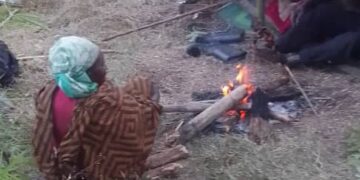
In what was widely regarded as a significant message, President Cyril Ramaphosa also called on countries around the world not to close their borders or refuse entry to Congolese citizens fleeing armed conflict and insecurity.
He stated that expelling or excluding refugees and migrants is not a sustainable solution. Instead, African nations should continue promoting unity, cooperation, and solidarity in addressing the challenges affecting the continent’s people.
The discussions between Presidents Félix Tshisekedi and Cyril Ramaphosa reflected the shared commitment of both governments to continue working together toward sustainable solutions to migration challenges while fully respecting the rule of law and human rights.
As South Africa continues to confront high unemployment and poverty, and the Democratic Republic of the Congo struggles with persistent insecurity that continues to displace thousands of people, both leaders agreed that a balanced approach is needed—one that upholds the law while preserving human dignity, ensuring that neither life nor human dignity is sacrificed because of political or economic challenges.