
The United Nations Security Council Accused of Remaining Silent as Killings Against Banyamulenge Continue in South Kivu
While the United Nations and major world powers continue to speak about international peace and security, members of the Banyamulenge community living in the highlands of Minembwe, Ndondo, and other areas of the territories of Fizi, Uvira, and Mwenga in South Kivu Province continue to express concern over what they describe as international silence regarding killings and attacks allegedly carried out by the Kinshasa government forces in collaboration with Wazalendo militias, the FDLR, and Burundian troops.
The issue continues to draw attention across the Great Lakes region, where some analysts argue that the international community and the United Nations Security Council are remaining passive while violence targeting Banyamulenge civilians persists. Reports continue to emerge of attacks, civilian killings, destruction of homes, and the looting of livestock.
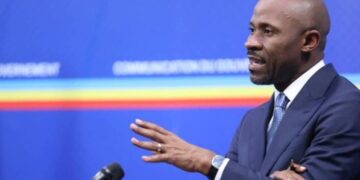
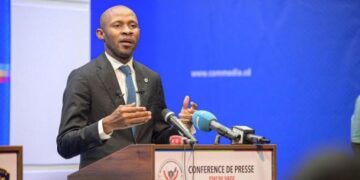
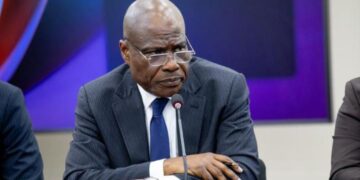
Speaking in Nairobi, Kenya, Rwanda’s Minister of Foreign Affairs and International Cooperation, Ambassador Olivier Nduhungirehe, criticized the way powerful nations holding veto power within the United Nations Security Council use their authority to block resolutions that could help address security crises around the world.
He made the remarks during a meeting between African and French ministers held in Nairobi, which focused on reforms of the United Nations Security Council and the use of veto power by its five permanent members.
The Security Council is composed of 15 member states, but five countries — the United States, Russia, China, France, and the United Kingdom — possess veto power, allowing them to block any resolution.
Nduhungirehe stated that this system has increasingly been used as a political tool, with powerful countries using their authority either to pressure other nations or to obstruct humanitarian resolutions, causing the council to prioritize political interests over the protection of civilians.
As these international discussions continue, residents of Minembwe say the attacks against them are escalating. Reports from the area indicate that FARDC forces, together with Wazalendo militias, the FDLR, and Burundian troops, continue to launch attacks in areas inhabited by Banyamulenge communities, particularly in Minembwe, Ndondo, Mikenge, and surrounding areas.
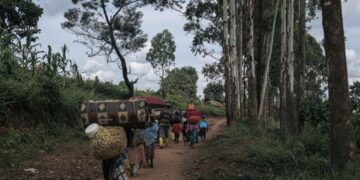
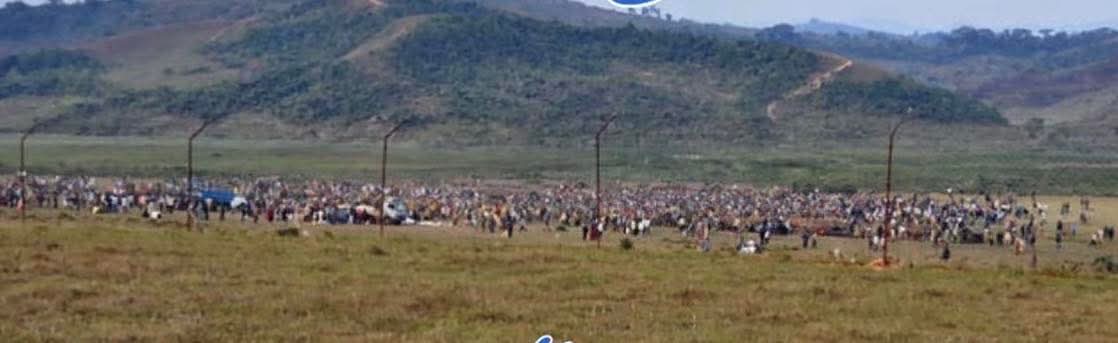
There are also reports that the burning and destruction of civilian homes continue as part of efforts aimed at terrorizing residents and preventing displaced people from returning to their properties. Many civilians have fled their homes and are now living in difficult humanitarian conditions marked by shortages of food, medical care, and security.
Another issue causing growing concern is the fate of Banyamulenge livestock. Reports from the region claim that hundreds of thousands of cattle have been seized by Wazalendo militias, while the Kinshasa government is accused of failing to intervene or stop the acts.
Some analysts argue that the Banyamulenge issue continues to receive limited international attention despite repeated allegations of discrimination and serious abuses that could have severe consequences for civilians.
During these difficult circumstances, the MRDP-Twirwaneho movement continues to state that it is fighting to protect Banyamulenge civilians. The group says it is confronting FARDC forces and allied militias accused of carrying out attacks against civilians in the region.
At the international level, criticism continues to grow over what some observers describe as the United Nations Security Council’s insufficient response to the crisis in eastern Democratic Republic of Congo, particularly regarding allegations involving attacks against Banyamulenge civilians.
Kenyan President William Ruto, who also addressed the Nairobi meeting, stated that Africa deserves permanent representation on the United Nations Security Council. He argued that it is unacceptable for a continent made up of 54 countries and more than 1.5 billion people to remain without permanent representation on the council.
He stated: “It is unreasonable that Africa, a continent of nearly 1.5 billion people and 54 countries, continues to lack permanent representation on the United Nations Security Council.”
Minister Nduhungirehe further emphasized that the reforms needed should not only focus on increasing seats, but also on changing the council’s decision-making process in order to promote greater transparency and accountability.
Calls continue to be made to the international community and global organizations to promote peace and justice for all civilians, especially those affected by war and discrimination, as residents of the Minembwe highlands insist that they need concrete action rather than words in order to restore security and protect their lives.