
DRC Opens a New Chapter in Justice: New Advisory Council to Examine Over Three Decades of Atrocities and Combat Impunity
MINEMBWE CAPITAL NEWS (MCN)
In a move aimed at strengthening justice and combating the culture of impunity, the Democratic Republic of the Congo (DRC) has established a new Council for the Examination of Atrocities to review atrocities and other serious crimes committed across the country over the past three decades.
The Council will support the country’s transitional justice institutions by examining the history of violence, establishing the truth about past abuses, and providing recommendations on how survivors can obtain justice and reparations.
The Council is chaired by renowned human rights advocate Julienne Lusenge, alongside British jurist Sir Howard Morrison KC. It also includes internationally recognized experts in international law, transitional justice, diplomacy, and human rights investigations, including Stephen Rapp, former United States Ambassador-at-Large for War Crimes Issues, Patrick Hayford, Nina Jørgensen, and Pascal Turlan.
Among its primary responsibilities is reviewing the findings of the 2010 United Nations Mapping Report, which documented serious violations of international human rights and humanitarian law committed against civilians in the DRC between 1993 and 2003. The Council will also examine crimes committed after that period, particularly in the eastern provinces, with the objective of advancing accountability, promoting justice, and recommending appropriate reparations for victims.
During its inaugural meeting this week, the Council focused on gathering updated information, hearing testimony from survivors, and preparing a framework to support programs aimed at assisting communities affected by decades of armed conflict. Julienne Lusenge emphasized that one of the Council’s foremost priorities is to break the long-standing silence surrounding these crimes and ensure that survivors’ voices are heard.
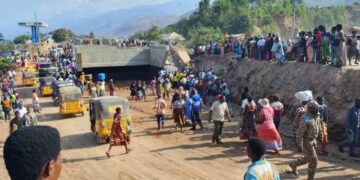
For more than thirty years, eastern DRC has remained at the center of recurring armed conflicts that have claimed thousands of lives, left many others injured, and displaced countless civilians. Numerous communities have suffered the devastating consequences of violence attributed to various armed groups and other actors operating across the region.
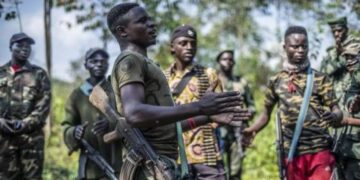
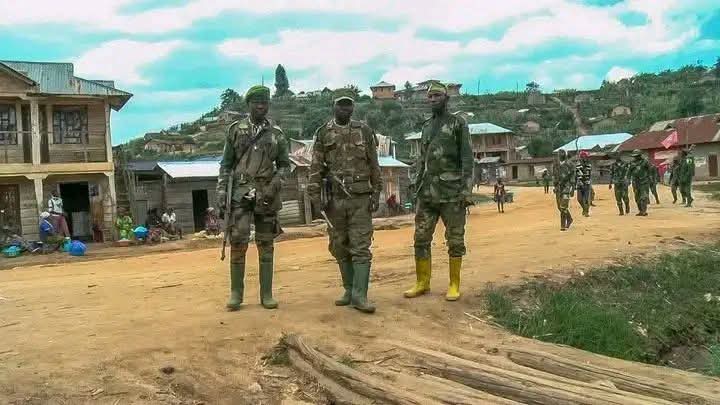
Reports published by international organizations and human rights groups have documented allegations of killings, looting, sexual violence, and other serious abuses against civilians involving armed groups such as the FDLR, Wazalendo, ADF, and CODECO, as well as members of the FARDC at different periods. These allegations have consistently prompted calls for independent investigations to establish the facts, hold perpetrators accountable, and deliver justice for survivors.
During the same period, movements such as MRDP-Twirwaneho and AFC/M23 have maintained that their objectives are to protect civilians, confront armed groups that continue to destabilize the region, and advocate for governance reforms and national development. However, as is often the case in armed conflicts, the actions and responsibilities of all parties remain matters that require independent investigations and evidence-based judicial processes.
Analysts argue that if the newly established Council is to fulfill its mandate effectively, it must conduct its work impartially, in accordance with international law and on the basis of credible evidence, so that the truth regarding crimes committed against civilians can be established regardless of the identity or affiliation of those responsible.
The establishment of the Council also comes as the DRC continues pursuing accountability through international legal mechanisms, while President Félix Tshisekedi continues to call on the international community to support efforts to achieve justice for crimes committed in the country’s eastern regions.
For observers of the Great Lakes region, this initiative could represent an important opportunity to advance lasting peace, provided that it remains firmly grounded in truth, justice, accountability, and reconciliation rather than political interests or selective interpretations of history.
MINEMBWE CAPITAL NEWS (MCN)