
MCN READER’S ANALYSIS: Will the Peace Agreement End the Conflict in Eastern DRC, or Is It Merely Another Step in a Long Peace Process?
MINEMBWE CAPITAL NEWS (MCN)
As efforts continue to find a lasting solution to the long-standing security crisis in the eastern Democratic Republic of the Congo (DRC), negotiations held in Doha, Qatar, and later continued in Montreux, Switzerland, with the support of the United States (USA), the African Union (AU), and other international partners, resulted in an agreement aimed at reducing hostilities and advancing the peace process.
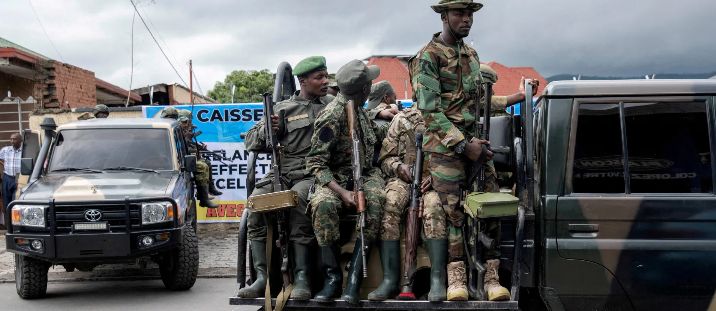
Before examining the contents of the agreement, the reader notes that, two days ago, a delegation of three military representatives from the Kinshasa government arrived in Goma. According to the analysis, the purpose of their visit is to initiate the implementation of the agreed commitments, particularly those related to monitoring compliance with the agreement signed in Switzerland.
Key Provisions of the Agreement
1. Monitoring the Ceasefire
According to the analyst, the agreement provides for the establishment of a Joint Ceasefire Monitoring Mechanism (EJVM).
This mechanism consists of representatives from both parties, with the Government of the DRC appointing three representatives and AFC/M23 also appointing three. The monitoring process will be conducted in collaboration with the International Conference on the Great Lakes Region (ICGLR) and MONUSCO.
Its primary mandate is to monitor and investigate any violations of the ceasefire, including drone attacks, renewed armed clashes, or any other actions that could undermine the peace process.
2. Facilitating Humanitarian Assistance
The reader explains that both parties have committed themselves to facilitating humanitarian access to civilians affected by the conflict in eastern DRC.
They have also pledged to refrain from any actions that could obstruct humanitarian operations and to respect international humanitarian law protecting civilians, refugees, and internally displaced persons.
According to the analysis, effective implementation of this commitment could help alleviate shortages of food, medicine, and other essential supplies in conflict-affected areas.
3. Release of Detainees
According to the analysis, the agreement stipulates that both parties will release certain detainees within ten days as a confidence-building measure.
The agreement also includes commitments made between AFC/M23 and the International Committee of the Red Cross (ICRC) concerning the release of FARDC soldiers captured in Goma, as well as additional categories of detainees to be released in accordance with the agreed framework.
The analyst further argues that, during previous rounds of negotiations in Doha and elsewhere, AFC/M23 fulfilled some of its commitments, including the release of certain FARDC soldiers. Regarding the Kinshasa government, however, the analyst contends that several agreed measures, including the release of some detainees and other commitments, have yet to be implemented.
In concluding the analysis, the reader states that although the agreement reflects a willingness to reduce tensions and create an opportunity for political dialogue, significant challenges to its implementation remain.
According to the analyst, the decisive factor in determining whether the agreement succeeds will be the genuine commitment of each party to implement its provisions rather than merely endorsing them in principle.
The analyst also expresses concern, arguing that, based on the history of previous negotiations, there is still insufficient evidence to conclude that the Kinshasa government will fully implement the commitments it has undertaken, citing earlier agreements that, in the analyst’s view, were not implemented as expected.
The reader further offers the opinion that negotiations and peace agreements often gain momentum when AFC/M23 has achieved significant military advances or taken control of strategically important areas. As a recent example, the analyst argues that negotiations accelerated once government forces had suffered setbacks in several locations, including Minembwe.
In conclusion, the reader states that the international community, regional organizations, and mediators will continue to closely monitor the implementation of this agreement, as its execution will ultimately determine whether it leads to lasting peace or simply becomes another chapter in the long series of negotiations between the conflicting parties.
This analysis was submitted by a reader of Minembwe Capital News. The views expressed are solely those of the author and do not necessarily reflect the editorial position of Minembwe Capital News. It is published to encourage informed discussion on issues affecting the region.