
From War to a Seventh Term: President Museveni’s Historic Political Journey in Uganda
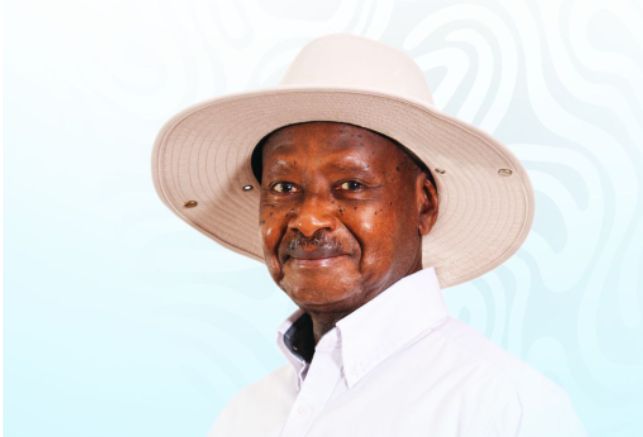
Ugandan President Yoweri Kaguta Museveni is expected to be sworn in for a seventh term in office, a development that continues to attract widespread attention both within Uganda and across the East African region. The ceremony marks another significant milestone in the journey of a leader who has governed Uganda for nearly four decades since 1986.
The inauguration is anticipated to be a major political and historical event, bringing together regional and international leaders while further symbolizing the longevity and influence of Museveni’s leadership.
The main swearing-in ceremony is expected to take place in Kampala, Uganda’s capital city, and will be attended by thousands of citizens, government officials, heads of state, and special envoys from various African countries and beyond.
In previous years, similar ceremonies have often been held at the Kololo Independence Grounds, a venue traditionally used for major state events in Uganda. The site holds strong historical significance in the country’s political landscape, having hosted national celebrations such as Independence Day commemorations, military ceremonies, and presidential inaugurations.
Organizers of the event have announced that preparations are being conducted at the highest level, including heightened security measures, arrangements for international guests, infrastructure improvements, and extensive media coverage by both Ugandan and international outlets.
In accordance with Ugandan law, the president-elect is sworn in after the official declaration of election results by the relevant authorities. The ceremony is expected to take place during the day and will begin with a military parade, the national anthem, the administration of the presidential oath, and a major address by President Museveni to the people of Uganda and Africans at large.
Reports indicate that his speech is expected to focus on national unity, economic development, regional security, and Uganda’s future direction in the coming years.
Yoweri Kaguta Museveni came to power in 1986 following a guerrilla war led by his National Resistance Army (NRA). At the time, he promised Ugandans peace, security, and development after years of political instability and armed conflict.
During his years in office, Museveni has been praised for his role in restoring stability to Uganda and promoting growth in sectors such as agriculture, trade, and infrastructure. However, he has also faced persistent criticism from opposition groups, who accuse him of clinging to power, restricting democratic space, and using state force against political opponents.
Politically, Museveni oversaw major constitutional amendments, including the removal of presidential term limits and age limits for presidential candidates. These changes enabled him to continue contesting elections and securing multiple re-elections.
Museveni’s inauguration also highlights Uganda’s relations with countries in the East African region and the country’s influence in regional diplomacy.
Uganda remains one of the key players within the East African Community (EAC) and continues to play a major role in regional security efforts, particularly in the Democratic Republic of Congo (DRC), South Sudan, and Somalia.
Several African leaders are expected to attend the ceremony, a move widely viewed as a sign of regional cooperation and Museveni’s continuing influence in African politics.
Political analysts argue that Museveni’s new term begins at a time when Uganda is facing several major challenges, including youth unemployment, rising living costs, political tensions between the government and opposition groups, and ongoing regional security concerns.
Some observers believe that another term for Museveni will further strengthen the political stability Uganda has maintained for many years, while others argue that the country needs political transition and greater opportunities for younger leaders and emerging political voices.
Despite the continuing debate surrounding his leadership, few would deny that Yoweri Museveni remains one of Africa’s longest-serving leaders and a figure who has played a major role in shaping the modern history of Uganda and the wider East African region.