
Severe Torture and Persecution of Banyamulenge in the DRC—The Cases of Col. Gapanda and Lt. Col. Muragizi Reveal a Disturbing Reality
As the challenges of security and reconciliation persist in the eastern Democratic Republic of Congo (DRC), alarming reports continue to emerge, highlighting abuses against certain soldiers of Banyamulenge origin—particularly those subjected to controversial detention.
Credible information from security sources indicates that two senior officers, Colonel Gapanda and Lieutenant Colonel Muragizi, had been detained in the city of Beni, in North Kivu Province, before being transferred to Kinshasa on April 13, 2026, under circumstances reportedly marked by serious mistreatment.
According to a FARDC soldier who requested anonymity, the two officers were arrested at different times, but the primary reason repeatedly cited is their Banyamulenge background.
Lt. Col. Muragizi is said to have spent over five years in detention, while Colonel Gapanda had been held for only four months. Both were detained at the military prosecutor’s office (auditorat militaire) in Beni, where they were undergoing military judicial proceedings.
However, prior to his transfer to Kinshasa, Lt. Col. Muragizi was subjected to severe abuse: he was forcibly stripped of his military uniform and ordered to be treated as a civilian—an act widely perceived as stripping him of both dignity and the legal protections afforded to him as a soldier.
The source stated:
“Muragizi resisted and fought back, but fellow soldiers beat him severely until they overpowered him, removed his uniform, and dressed him in civilian clothes. It took the entire day.”
In contrast, Colonel Gapanda was transferred to Kinshasa still wearing his military uniform, raising questions about the inconsistency in how the two officers were treated.
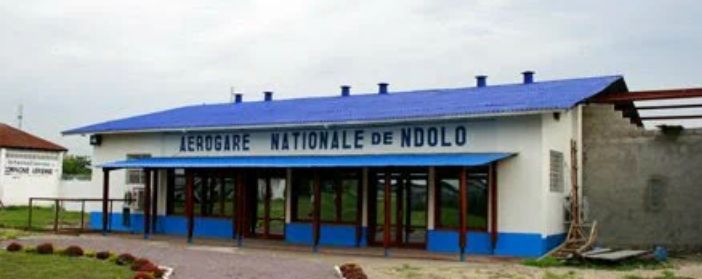
Both officers were eventually taken to Ndolo Military Prison in Kinshasa, one of the country’s most well-known detention facilities.
The issue of the Banyamulenge in the DRC is longstanding and deeply rooted in the region’s history—particularly in the conflicts that followed the 1994 Genocide against the Tutsi in Rwanda, as well as the two Congo wars (1996–1997 and 1998–2003).
The Banyamulenge, who speak Kinyarwanda and are largely from the highlands of South Kivu, are often accused of being “foreigners,” despite being legally recognized citizens of the DRC. This perception has contributed to their marginalization, making them frequent targets of armed groups and, at times, state institutions.
Over the years, reports from international human rights organizations have documented abuses against the Banyamulenge, including killings, forced displacement, destruction of homes, and denial of fundamental rights as citizens.
These ongoing violations raise critical questions about the position of Banyamulenge individuals still serving within state institutions, particularly in the FARDC.
Some question whether their continued presence reflects an effort to defend their rights from within the system, or a forced endurance of injustice due to a lack of alternatives.
As the anonymous soldier put it:
“Those who do not see what is happening to the Banyamulenge in the DRC are the ones who remain silent. But those who witness it all ask themselves why some still remain in the government while clearly seeing how their colleagues are mistreated.”
Is There a Sustainable Solution?
Issues of ethnicity, citizenship, and governance remain at the heart of conflict in eastern DRC. Addressing the plight of the Banyamulenge requires political will, impartial justice, and recognition of equal citizenship for all.
Until such measures are realized, stories like those of Colonel Gapanda and Lt. Col. Muragizi will continue to symbolize the suffering and injustice faced by some citizens of the DRC—conditions that risk further fueling tensions and undermining prospects for lasting peace in the region.